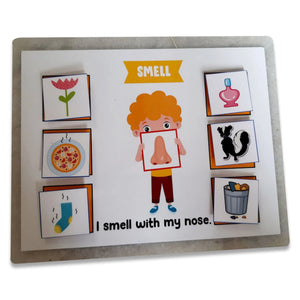
Educational Toys: Foundation for Screen-Free Childhood India
Educational toys are fundamental in proactively constructing a screen-free childhood for Indian kids, offering tangible pathways to holistic development and engagement. Research consistently shows that meaningful, hands-on play is indispensable for cognitive, social, emotional, and physical growth, effectively diminishing the appeal of digital devices. This approach empowers parents to cultivate an environment where learning and creativity naturally thrive, aligning with the core values of Indian upbringing and child development principles.
A screen-free childhood is an environment where a child's primary interactions and learning experiences come from real-world engagement, rather than digital screens. This matters profoundly because excessive screen time is linked to developmental delays, attention issues, and reduced physical activity, as highlighted by PGI experts and numerous Indian health reports. Indian parents can proactively establish this by prioritizing hands-on play with educational toys, fostering a rich learning landscape.
Why Montessori Educational Toys are Essential for Holistic Development
Montessori educational toys are not merely playthings; they are meticulously designed learning tools that lay the groundwork for a child's comprehensive development. Maria Montessori's philosophy emphasizes self-directed activity, hands-on learning, and collaborative play, making these materials perfect for nurturing independent, curious, and well-rounded individuals. Studies indicate that children engaged with Montessori materials demonstrate enhanced problem-solving skills and a greater sense of autonomy.
These specialized kids learning toys cater to various developmental stages, allowing children to explore concepts at their own pace. From sensorial materials like the Pink Tower that refine visual discrimination to practical life activities that teach independence, Montessori toys build foundational skills. This holistic approach ensures that a child's natural curiosity is channeled into productive and enriching experiences, reducing the void that screens often fill.
Building a Screen-Free Environment: Practical Steps with Kids Learning Toys
Creating a truly screen-free childhood in India involves more than just limiting device access; it means filling that space with compelling alternatives. Integrating high-quality Montessori educational toys and activities into daily routines provides consistent, engaging opportunities for learning and play. This is particularly crucial in joint family settings, where shared play with cousins and grandparents can become a powerful deterrent to screen dependency.
Child development experts emphasize the importance of open-ended play, where children lead the exploration. Providing a variety of educational toys, such as building blocks, puzzles, or creative activity kits, encourages imaginative thinking and concentration. Jaaved Jaaferi's poignant observation about his son unable to appreciate a sunset underscores the need for children to reconnect with the physical world, a connection readily fostered by engaging, hands-on play with these materials.
The Role of Montessori in Fostering Concentration and Independence
Montessori education is renowned for cultivating deep concentration and self-reliance, vital skills for navigating life beyond the digital realm. Toys like the Sandpaper Letters or Geometric Solids engage children in focused tasks, developing their attention span and problem-solving capabilities. These materials inherently teach children to persist through challenges, fostering a 'can-do' attitude that screens rarely provide.
For Indian parents concerned about academic pressure, investing in Montessori educational toys can provide a strong foundation. These toys develop foundational literacy and numeracy skills in a concrete, enjoyable manner, preparing children for school without relying on academic apps or digital tutors. This approach builds genuine understanding and a love for learning, rather than rote memorization.
Making Play Intentional: Choosing the Right Educational Toys
Choosing the right educational toys is paramount to success. Look for toys that are age-appropriate, durable, and promote active engagement rather than passive observation. For toddlers (18-36 months), simple puzzles and stacking toys build fine motor skills. For preschoolers (3-6 years), role-play sets and art supplies foster creativity and social interaction.
SkilloToys.com offers a curated selection of Montessori-inspired kids learning toys that are perfect for establishing this screen-free foundation. Our products are designed to encourage exploration, critical thinking, and independent play, aligning with the values of Indian parenting. By selecting toys that offer genuine developmental benefits, parents make a conscious choice to prioritize their child's holistic growth over digital distractions.
Empowering Indian Parents: A Call to Action for a Screen-Free Childhood India
The growing concern over screen time's impact on children, highlighted by recent articles from Healthshots and NDTV, reinforces the urgency of this proactive approach. Empowering Indian parents means providing them with the knowledge and tools to confidently steer their children towards enriching, real-world experiences. It's about recognizing that Montessori educational toys are not just alternatives but are the fundamental building blocks of a vibrant, curious, and screen-free childhood.
By investing in quality educational toys, Indian families are investing in their child's future well-being, fostering creativity, critical thinking, and social skills essential for navigating a complex world. This foundational approach ensures that children develop a strong internal locus of control and a deep appreciation for tangible learning, setting them up for success both academically and personally. Let us embrace the power of purposeful play to shape a brighter, screen-free future for our children.
- Educational toys are crucial for establishing a proactive, screen-free environment from an early age in India.
- Montessori educational toys foster holistic child development, enhancing cognitive, motor, and socio-emotional skills.
- Child development experts agree that hands-on play significantly reduces screen time dependency and boosts creativity.
- Specific Montessori materials, like sensorial and practical life tools, build concentration and independence in children.
- Integrating kids learning toys into daily routines offers engaging alternatives to digital entertainment for Indian families.
- Choosing age-appropriate, durable educational toys promotes active engagement and long-term developmental benefits.
At what age should I start introducing screen-free activities?
Child development experts recommend introducing screen-free activities from birth, with the American Academy of Pediatrics advising no screen time for children under 18-24 months. Focusing on interactive play and exploration from infancy builds a strong foundation for a screen-free lifestyle.
How do Montessori educational toys specifically help reduce screen time?
Montessori educational toys are designed to be self-correcting, engaging, and purposeful, capturing a child's attention through hands-on exploration. They develop concentration, fine motor skills, and problem-solving abilities, making physical play more stimulating and satisfying than passive screen viewing.
Are educational toys expensive for Indian families?
While some educational toys can be an investment, many options are affordable and offer long-term value due to their durability and developmental benefits. SkilloToys.com offers a range of high-quality, long-lasting Montessori learning materials that are an investment in your child's future, often used by multiple children across generations in Indian joint families.
How can grandparents support a screen-free environment?
Grandparents play a vital role by engaging children in traditional games, storytelling, and practical life activities, which are inherently screen-free. They can encourage the use of kids learning toys and participate in hands-on play, sharing their wisdom and experiences in meaningful, interactive ways.
What if my child resists giving up screens completely?
Transitioning to a screen-free environment requires patience and consistency, not an immediate ban. Focus on gradually introducing engaging educational toys and activities, involving your child in the choice, and modeling screen-free behavior yourself. Celebrating small successes and maintaining open communication are key.