Educational Toys: Reduce Screen Time for Indian Kids
Integrating educational toys into a child's daily life is a definitive strategy for Indian parents to actively check and significantly reduce screen time. Child development experts agree that providing hands-on, stimulating alternatives empowers children to engage constructively, diverting their attention from digital devices towards purposeful learning and play.
An active parental role in screen time reduction is the deliberate and consistent effort by parents to monitor, limit, and provide enriching alternatives to digital media consumption for their children. This matters because excessive screen time impacts cognitive development, attention span, and social skills. Indian parents can achieve this by fostering engaging home environments rich with physical learning materials and interactive experiences.
The Indispensable Parental Role in Managing Screen Time in India
The call from experts, such as the PGI expert highlighted in 'The Tribune,' is clear: parental involvement is paramount in addressing the rising screen time among children. This isn't merely about setting limits; it’s about actively shaping a child's environment and providing compelling alternatives. In Indian households, where multi-generational families often live together, this parental role extends to guiding grandparents and other relatives in promoting screen-free engagement.
As actor Jaaved Jaaferi poignantly observed about his son's inability to simply watch a sunset, today's children are losing touch with real-world experiences. This loss directly correlates with the dominance of screens, impacting their attention spans and sensory development. Parents are the first line of defense, equipped with the unique ability to curate experiences that foster curiosity and intrinsic motivation, laying the groundwork for a childhood rich in discovery.
Research consistently shows that children with active parental guidance in media consumption exhibit better academic performance and healthier social development. This proactive engagement, particularly in Indian contexts, involves celebrating traditional games, involving children in household chores like preparing for festivals, and consciously carving out time for outdoor play, even amidst school pressures.
Montessori Principles: Powerful Strategies to Reduce Screen Time in India
Montessori education offers a timeless framework for screen-free childhood development, providing practical and impactful ways to reduce screen time India-wide. Maria Montessori's philosophy centres on the child's natural desire to learn and explore through purposeful activity within a 'prepared environment.' This approach directly counters the passive consumption associated with screens, encouraging active engagement and deep concentration.
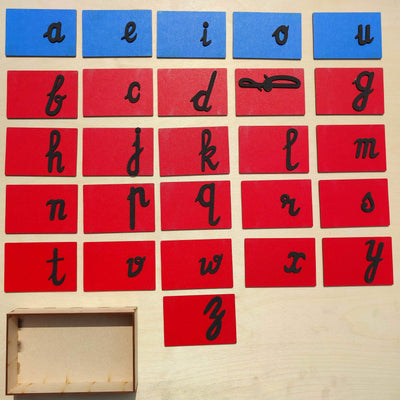
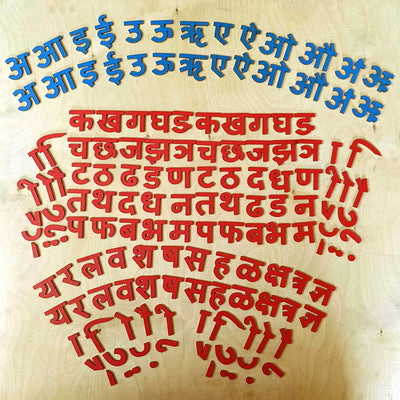
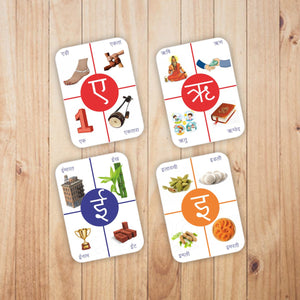
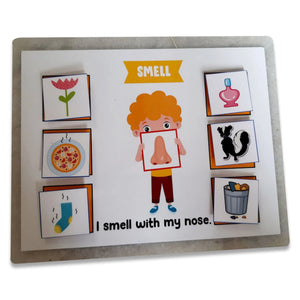
By offering a carefully curated selection of Montessori learning materials, parents create a compelling alternative to digital entertainment. Materials like the Pink Tower, Sandpaper Letters, or practical life activity kits inherently teach through doing, fostering independence, problem-solving, and fine motor skills. These experiences provide the rich sensory input and cognitive challenge that screens cannot replicate, satisfying a child's developmental needs constructively.
The Montessori method helps children develop a sustained attention span, a crucial skill often eroded by the fast-paced, fragmented content found on screens. For instance, engaging with a Montessori activity kit allows a child to work at their own pace, repeating tasks until mastery, building confidence and a love for learning. This self-directed exploration becomes a powerful tool against the allure of digital devices.
Choosing the Right Educational Toys: Beyond Distraction to Development
Selecting the right educational toys is not just about filling time; it's about providing tools for growth that intrinsically draw children away from screens. For kids learning toys, look for items that are open-ended, allow for self-correction, and engage multiple senses. These characteristics are hallmarks of effective Montessori materials, designed to support various developmental stages.
For toddlers (18-24 months), simple wooden blocks or stacking rings develop hand-eye coordination and spatial reasoning. For preschoolers (3-6 years), puzzles, lacing beads, or practical life materials like pouring water or buttoning frames cultivate fine motor skills and concentration. These materials provide tangible feedback, unlike the ephemeral nature of digital interactions, ensuring a deeper learning experience.
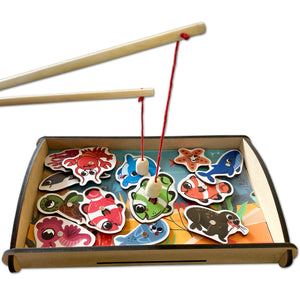
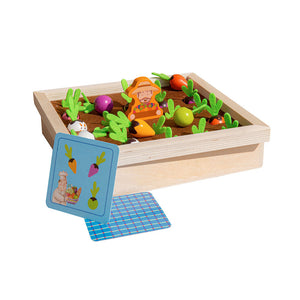
SkilloToys.com offers a wide range of authentic Montessori-aligned educational toys that cater to these specific developmental needs. Our collection is curated to ensure that each toy serves a purpose, encouraging independent play and a profound sense of accomplishment. Choosing such materials empowers parents to actively foster a screen-free environment, knowing their child is engaged in meaningful, skill-building activities.
Practical Tips for Indian Homes: Creating a Screen-Free Haven
Creating a screen-free childhood in India involves practical strategies tailored to local contexts. Start by designating 'screen-free zones' in your home, such as bedrooms and dining areas, fostering family conversation and focused play. Establish consistent routines where screen time is limited to specific, short periods, and always balanced with ample opportunities for hands-on engagement and outdoor play.
Involve grandparents and other family members in promoting screen-free alternatives. Encourage them to share stories, play traditional Indian games, or engage in simple art and craft activities. This not only strengthens family bonds but also reinforces the value of real-world interactions over digital distractions, especially during festivals or family gatherings where devices might otherwise dominate.
Finally, remember that the most powerful tool is parental example. Limiting your own screen use, especially when with children, sends a clear message about the value of present moment engagement. Embrace the rich cultural fabric of India by engaging children in cooking, gardening, or local community activities, transforming potential screen time into valuable learning and bonding experiences.
- Educational toys are crucial for reducing screen time in Indian households.
- Active parental involvement is key to fostering a screen-free environment.
- Montessori principles offer structured, engaging alternatives to digital entertainment.
- Creating rich home environments with learning materials enhances child development.
- Consistent engagement with physical toys builds vital cognitive and motor skills.
- Reducing screen time supports better sleep, focus, and social interaction for children.
How do educational toys help reduce screen time for kids?
Educational toys provide engaging, hands-on alternatives that capture children's attention and foster active learning. They stimulate cognitive development, fine motor skills, and problem-solving abilities, naturally drawing children away from passive screen consumption towards constructive play.
What is the ideal age to introduce screen-free Montessori activities?
Montessori principles can be introduced from infancy, with age-appropriate materials starting around 6-12 months. For actively reducing screen time, focusing on screen-free alternatives from toddlerhood (1-3 years) onwards is highly effective, as this is when screen habits often begin to form.
Can Montessori principles work effectively in a joint Indian family setting?
Yes, Montessori principles are highly adaptable to joint Indian family settings. The emphasis on a prepared environment and purposeful activity can be embraced by all family members, including grandparents, fostering a collective effort towards a child's holistic development and screen-free engagement.
How can I manage screen time during travel or festivals?
Parents can manage screen time during these times by planning engaging, portable activities like travel-sized puzzles, drawing kits, or storybooks. Involving children in festival preparations or local cultural experiences also provides rich, real-world alternatives to digital entertainment.
What are some simple screen-free activities for busy Indian parents?
Simple activities include engaging children in everyday tasks like sorting vegetables, helping with chapati making, or watering plants. Structured play with open-ended educational toys, reading books together, or outdoor playtime in a nearby park also offer valuable screen-free engagement.