Google Screen Time Guidelines India: A Montessori View
Google screen time guidelines India have recently been launched to empower parents with crucial information for fostering children's digital wellbeing. This significant initiative provides a framework, encouraging balanced screen use and promoting healthier online habits for Indian families nationwide.
Google's India Guidebook on Digital Wellbeing is a comprehensive resource offering practical advice and tools for managing children's screen time responsibly. This matters because excessive screen use impacts development and family dynamics, as highlighted by reports in The Times of India and Firstpost. Indian parents can leverage these guidelines to establish healthy digital boundaries and promote engaging screen-free alternatives.
Google's India Guidebook and the Montessori Connection for Children Digital Wellbeing India
The recently launched Google screen time guidelines for India stress the importance of digital literacy, parental involvement, and age-appropriate content. They advocate for 'active' screen engagement over passive viewing, urging parents to co-view and discuss content with their children. This mirrors Maria Montessori’s foundational principle that children learn best through active engagement and purposeful activity, not passive reception.
For young Indian children, especially those under 18-24 months, child development experts universally recommend avoiding screens entirely. Google’s guidelines implicitly support this by focusing on older age groups, aligning with Montessori's understanding that the foundational years are crucial for developing sensory, motor, and cognitive skills through direct interaction with the environment. A prepared environment, rich with hands-on materials, naturally reduces the allure of screens.
Establishing a framework for children digital wellbeing India is more critical than ever. Research shows that excessive screen time, as discussed by India's top doctors in Firstpost, can hinder speech development and reduce attention spans. Both Google's recommendations and the Montessori method empower parents to create environments where children can thrive developmentally, free from constant digital distraction.
Montessori Screen Time Solutions: Practical Ways to Build Focus and Independence
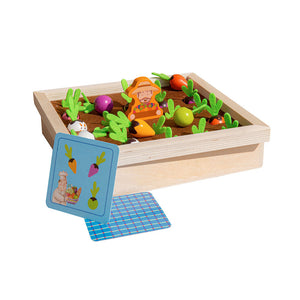
Implementing Montessori screen time solutions at home means consciously shifting focus from digital devices to tangible, purposeful activities. Instead of handing a tablet, offer a child a set of activity kits that engage their hands and minds, like puzzles, practical life exercises such as pouring water, or sorting beads. These activities build concentration, fine motor skills, and a sense of accomplishment.
The Montessori environment is designed to foster intrinsic motivation, a key deterrent to screen addiction. When children are deeply engrossed in tasks like working with the Pink Tower or Sandpaper Letters, their need for external stimulation from screens diminishes. This cultivation of sustained attention helps children develop self-regulation, enabling them to choose meaningful engagement over fleeting digital entertainment.
For Indian parents navigating school pressures and limited free time, incorporating short, focused Montessori activities can make a big difference. Even 15-20 minutes of uninterrupted, child-led play with a well-chosen material can be more beneficial than an hour of passive screen viewing, building neural pathways essential for learning and problem-solving.
Screen-Free Parenting Tips India: Embracing Tradition and Modern Wellbeing
Adopting screen-free parenting tips in India requires understanding our unique family dynamics, from bustling joint families to the influence of grandparents. Establish clear family rules about screen use, perhaps designating 'screen-free zones' like the dining area or specific 'power hours' for homework and play. Involve grandparents in this conversation, explaining the developmental benefits of screen-free time; often, their rich storytelling and traditional games become wonderful alternatives.
During festivals or family gatherings, instead of defaulting to screens to keep children occupied, engage them in preparing festive decorations, cooking traditional sweets, or organizing cultural performances. These shared experiences not superbly strengthen family bonds but also provide invaluable sensory and social learning opportunities. Studies indicate that children who engage in more real-world interactions tend to have better social-emotional development.
Creating a predictable daily rhythm with dedicated time for outdoor play, reading, and creative arts can significantly reduce the demand for screens. Research suggests that excessive screen media use in kids can have hidden costs, impacting sleep patterns and academic performance, as highlighted by The Times of India. Empowering children with choices of engaging activities, rather than simply banning screens, fosters cooperation and independence.
Educational Toys Digital Wellbeing: Investing in Your Child's Holistic Growth
When considering educational toys for digital wellbeing, think about materials that invite hands-on exploration, problem-solving, and creativity. Montessori materials, found in our main collection, are specifically designed to meet children’s developmental needs at various stages, offering concrete experiences that build abstract understanding. These are not mere distractions; they are tools for self-construction.
Investing in high-quality, open-ended educational toys encourages children to think critically and use their imagination, skills that screens often bypass. A child building with blocks, exploring textures, or classifying objects is actively engaging their senses and cognitive processes, developing foundational abilities that prepare them for future learning and complex problem-solving in the real world.
These toys naturally align with the spirit of Google's new guidelines by fostering active engagement rather than passive consumption. By providing a rich selection of meaningful activities, parents can guide their children towards a balanced lifestyle where digital tools are used purposefully, and real-world exploration remains paramount for holistic development.
- Google's India Guidebook on Digital Wellbeing emphasizes balanced screen time and digital literacy for children.
- Montessori principles naturally support these guidelines by promoting active, hands-on learning and a prepared environment.
- Child development experts recommend avoiding screens entirely for children under 18-24 months to foster crucial sensory development.
- Creating a 'prepared environment' at home with engaging educational toys significantly reduces a child's reliance on screens.
- Parental involvement, consistent boundaries, and offering meaningful alternatives are crucial for effective digital wellbeing strategies in Indian homes.
- Research indicates that excessive screen time can negatively impact children's language, attention span, and social-emotional development.
What are Google's main recommendations for children's screen time in India?
Google's India Guidebook recommends age-appropriate screen time, promoting active engagement over passive viewing, and encouraging parental involvement. It also stresses digital literacy and setting clear boundaries to foster healthy online habits for children across India.
How does the Montessori approach support Google's digital wellbeing guidelines?
The Montessori approach supports digital wellbeing by emphasizing active, hands-on learning and a prepared environment rich with purposeful activities. This naturally aligns with Google's call for active screen engagement and reduces the desire for passive screen consumption, fostering concentration and independence.
At what age should Indian parents introduce screens, according to experts?
Child development experts and major health organizations generally recommend no screen time for children under 18-24 months of age, with limited, co-viewed educational content for children aged 2-5 years. The focus during these foundational years should be on real-world exploration and interaction.
What are practical Montessori-inspired screen-free activities for Indian children?
Montessori-inspired screen-free activities include practical life exercises like pouring and sorting, engaging with puzzles, building blocks, and art materials, or exploring nature. These activities, often found in activity kits, develop concentration, fine motor skills, and intrinsic motivation, perfectly suiting Indian homes.
How can joint families in India manage varying screen time rules?
Joint families in India can manage varying screen time rules by establishing clear, consistent family guidelines through open communication with all members, including grandparents. Designating screen-free zones and offering engaging, collaborative alternatives like traditional games or shared chores helps align everyone towards a common digital wellbeing goal.