India Map Puzzle: Sparking Screen-Free Curiosity in Kids
Combating screen addiction is a significant challenge for Indian parents today, with news outlets like The Times of India highlighting schools adding mindfulness to curb kids’ screen time. Providing a tactile, engaging alternative like an india map puzzle is a definitive step toward fostering screen-free curiosity and deep geographical understanding in children. Research shows that hands-on learning significantly boosts cognitive development and memory retention compared to passive digital consumption.
An India map puzzle allows children to explore the diverse geography of our nation directly, fostering a sense of connection and wonder without relying on digital screens. This tangible approach offers a powerful solution for parents concerned about the impact of excessive screen time on their child’s eyes and overall development, as reported by India Today.
What is a Montessori India Map Puzzle?
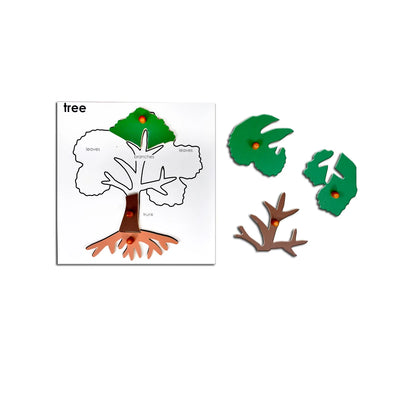
A Montessori India map puzzle is an educational tool featuring individual, self-correcting pieces representing each state or union territory of India, often with small knobs for easy grasping. This matters because it allows children to learn geographical shapes, names, and relative positions through tactile exploration and independent discovery. Indian parents can use this material to introduce complex concepts in a concrete, age-appropriate manner, supporting natural curiosity.
Montessori Geography: A Hands-On Approach for Indian Children
Maria Montessori's philosophy emphasizes learning through direct experience and manipulation of concrete materials, which is particularly effective for geography. For Indian children, a physical Montessori learning material like an India map puzzle translates abstract concepts into tangible realities. They can feel the unique shape of Rajasthan, locate Karnataka where they live, or understand the vastness of Uttar Pradesh by holding the pieces.
This hands-on engagement is crucial, as studies indicate that children who interact with physical objects develop stronger spatial reasoning skills. Grandparents can join in, sharing stories about their ancestral villages or famous pilgrimage sites in different states, transforming learning into a rich family experience. This reinforces cultural connections and a deeper understanding of our diverse nation.
Battling Screen Time with Educational Map Puzzles
As Indian parents fight back against kids’ screen obsession, as highlighted by The South First, educational map puzzles emerge as a powerful ally. They offer an immersive activity that naturally draws children away from tablets and televisions. Instead of mindlessly swiping, children are actively problem-solving, identifying, and placing each state, building a robust mental map of India.
The concentration required to complete a map puzzle fosters sustained attention, a skill often diminished by fast-paced digital content. This focused play not only reduces screen exposure but also cultivates patience and persistence. It’s a constructive way to fill those hours that might otherwise be spent passively consuming digital media.
Engaging Kids with India Map Activities at Home
Beyond simply assembling the puzzle, there are countless ways to integrate the India map into daily life and make it a vibrant part of Montessori activity kits at home. Parents can encourage children to point out the state where their cousins live, or trace routes for an imaginary family holiday during summer vacations. This makes geography personally relevant and exciting.
One effective strategy is to link states to Indian festivals. For instance, finding Kerala when discussing Onam, or Gujarat during Navratri, embeds cultural knowledge with geographical facts. You can also incorporate simple quizzes or challenges, asking children to find states based on their famous foods or dance forms, turning learning into a fun game.
Cultivating Screen-Free Learning in India for a Brighter Future
Cultivating a screen-free learning environment is a growing priority for many families across India, aligning with calls for more balanced childhoods. An India map puzzle is a cornerstone of this approach, offering a tangible, multi-sensory experience that digital apps simply cannot replicate. Child development experts agree that rich, real-world interactions are paramount for healthy brain development and cognitive growth.
By providing such meaningful alternatives, parents empower children to develop intrinsic motivation for learning and exploration. This foundation builds critical thinking skills and a genuine love for discovery, preparing them for academic success and a deeper appreciation of India's rich heritage. It’s an investment in their holistic development, far beyond rote memorization.
- An India map puzzle is a highly effective, screen-free tool for teaching geography and reducing digital screen time for Indian children.
- Montessori geography emphasizes tactile, hands-on learning, which significantly enhances spatial reasoning and cognitive development in young learners.
- Engaging with a physical map puzzle helps develop concentration, fine motor skills, and problem-solving abilities crucial for early childhood.
- Parents can integrate the India map puzzle into daily routines by connecting states to family trips, cultural festivals, and regional specialties, making learning personal and fun.
- Offering screen-free alternatives like educational map puzzles supports holistic child development and fosters a genuine, lasting curiosity about the world.
- Research indicates that active, manipulative play leads to deeper understanding and better memory retention than passive digital consumption.
What is the ideal age to introduce an India map puzzle?
Child development experts recommend introducing an India map puzzle to children from around 3-4 years of age. At this stage, children are developing fine motor skills and spatial reasoning, making them ready for engaging with tactile geographical tools.
How does a Montessori map puzzle differ from a regular puzzle?
A Montessori map puzzle is designed with self-correcting features, often with individual state pieces that fit perfectly into a tray, and each piece may have a knob for easy manipulation. This contrasts with regular puzzles that might lack these specific pedagogical elements, focusing more on visual completion rather than tactile, independent learning of geographical shapes.
Can an India map puzzle truly reduce screen time?
Yes, an India map puzzle provides a highly engaging, hands-on alternative that captivates children's attention, thereby naturally reducing their reliance on digital screens. By offering a concrete, interactive activity, parents can redirect focus from passive viewing to active, constructive play and learning.
What are the key benefits of learning geography with a physical map?
Learning geography with a physical map enhances spatial awareness, fine motor skills, problem-solving abilities, and fosters a tangible understanding of states and capitals. This tactile interaction helps children build a deeper, more concrete mental map of India compared to abstract digital representations.
How can I make learning with the India map puzzle more engaging?
You can make learning engaging by connecting states to family trips, festivals, or local cuisines, and sharing stories about different regions. Incorporate other Montessori activity kits to expand on themes like animals or famous landmarks from specific states, making the experience multi-sensory and relatable.