Malayalam Spelling: Screen-Free Montessori Activities for Kids
Screen-free Montessori activities are highly effective for teaching Malayalam spelling to children, fostering deep language understanding and countering the rising concerns about screen time among kids, as flagged by studies like those from NIMHANS. This hands-on, multi-sensory approach ensures children learn to read and write Malayalam naturally, building strong foundational literacy without digital distractions.
Many Indian parents today grapple with increased screen time impacting their children's attention spans and sleep patterns, as highlighted by recent studies in The Economic Times. Embracing screen-free methods offers a powerful alternative, encouraging focus and genuine engagement with their mother tongue.
What is Screen-Free Malayalam Spelling for Kids?
Screen-free Malayalam spelling involves teaching children the Malayalam alphabet and word formation through tactile, auditory, and visual experiences without digital devices. This matters because it enhances attention, develops fine motor skills, and promotes a deeper connection to the language. Indian parents can implement this using everyday objects and engaging educational materials.
Why Screen-Free Learning Excels for Malayalam Language Development
Research consistently indicates that excessive screen time correlates with reduced attention spans and disrupted sleep in children. A screen-free approach to teaching Malayalam spelling directly addresses these concerns by demanding active participation and sensory engagement. It allows children to absorb the language naturally, much like they learn to walk or talk.
Child development experts agree that multi-sensory learning significantly enhances memory and retention, especially for complex scripts like Malayalam. When children touch, see, and say the letters, the neural pathways for language acquisition strengthen more effectively than passive screen consumption. This method cultivates a lifelong love for learning and their cultural heritage.
Essential Montessori Principles for Teaching Malayalam Spelling
Maria Montessori's philosophy emphasizes a prepared environment and hands-on learning, making it ideal for language acquisition. For teaching Malayalam to kids, this means providing inviting materials that allow children to explore and discover at their own pace. The focus is on self-correction and intrinsic motivation rather than external rewards or screen-based stimuli.
By creating a 'language corner' in your home with relevant materials, you empower your child to initiate their learning journey. This approach not only teaches them the Malayalam alphabet for kids but also instills independence and concentration – crucial skills for their overall academic and personal growth.
Engaging Montessori Activities to Master Malayalam Spelling
Sandpaper Letters & Movable Alphabets: Foundation for Malayalam Script
The cornerstone of Montessori language education, Sandpaper Letters offer a tactile experience for learning the Malayalam script. Children trace the rough texture of each letter, associating the feel with its sound and shape. This foundational step is vital for developing pre-writing skills and letter recognition.
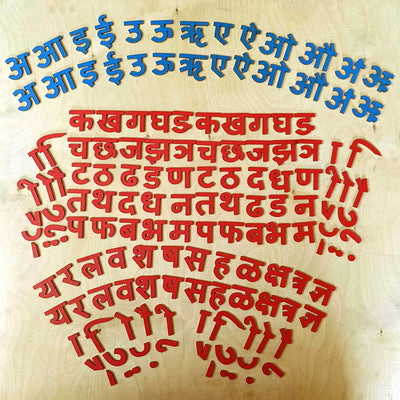
Following Sandpaper Letters, the Movable Alphabet allows children to physically construct Malayalam words. These sets of individual letters, often wooden, enable children to experiment with spelling before they can master holding a pencil. It's a powerful tool for visual and kinesthetic learners, available among high-quality Montessori learning materials.
Practical Life Activities with a Malayalam Twist
Integrate Malayalam spelling into everyday routines. Label objects around your Bengaluru home – the "മേശ" (table), "കസേര" (chair), "വാതിൽ" (door) – using simple Malayalam word cards. Involve children in writing a grocery list in Malayalam or identifying ingredients for traditional Kerala dishes like "അവിയൽ" (Avial) or "പുട്ട്" (Puttu).
This contextual learning makes Malayalam relevant and practical, transforming mundane tasks into valuable language lessons. It’s a natural, screen-free Malayalam learning method that connects language to lived experience, strengthening comprehension and spelling retention.
Storytelling and Rhyme Time in Malayalam
Grandparents often have a treasure trove of Malayalam folk tales and lullabies. Encourage them to share these stories, pausing to identify characters and objects. Reading Malayalam children's books aloud and pointing to the words helps connect spoken language with written script.
Traditional Malayalam rhymes are excellent for developing phonological awareness, a key predictor of spelling success. These activities not only foster language skills but also strengthen family bonds and cultural identity, enriching the child’s learning environment.
DIY Malayalam Word Building Games
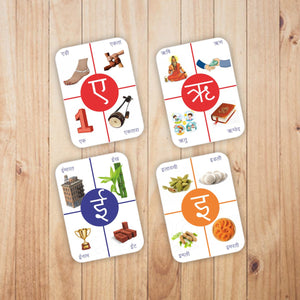
Simple materials around the house can become powerful tools for screen-free Malayalam learning. Use chalkboards for writing words, clay to form letter shapes, or create your own flashcards with Malayalam letters and corresponding pictures. These hands-on activity kits can be easily assembled.
Games like "I Spy" (focusing on objects starting with a specific Malayalam letter) or creating word families on paper can make learning interactive and fun. Such creative activity kits foster curiosity and make the process of teaching Malayalam spelling enjoyable for both parent and child.
Choosing the Right Malayalam Educational Toys for Lasting Learning
When selecting Malayalam educational toys, prioritize open-ended materials that encourage creativity and independent exploration. Look for durable, non-toxic toys that align with Montessori principles, promoting fine motor skills, cognitive development, and sensory engagement.
Examples include wooden Malayalam alphabet puzzles, letter-matching games, and picture cards with Malayalam words. These toys provide concrete representations of abstract language concepts, supporting a child's journey from recognizing individual letters to mastering complex Malayalam spelling. They are designed to be engaging without relying on flashing lights or digital screens.
Integrating Malayalam Spelling into Daily Indian Life
For parents navigating the pressures of school and a busy life, integrating Malayalam learning naturally is key. Speak in Malayalam at home, particularly during mealtimes or while visiting relatives during festivals like Onam or Vishu. Encourage children to communicate their needs and feelings in their mother tongue.
Celebrate small achievements, whether it's correctly identifying a Malayalam letter or spelling a simple word. This non-judgmental, encouraging environment empowers children to embrace their language heritage, making Malayalam spelling a joyous and integral part of their upbringing, rather than a chore.
- Screen-free Montessori activities effectively teach Malayalam spelling and counter negative screen time impacts.
- Multi-sensory engagement significantly enhances memory and retention for complex scripts like Malayalam.
- Maria Montessori's principles foster independent language acquisition through prepared environments and hands-on tools.
- Sandpaper Letters and Movable Alphabets are fundamental Montessori materials for learning the Malayalam script.
- Integrating Malayalam into daily practical life and family storytelling strengthens language comprehension and cultural bonds.
- Choosing open-ended, durable Malayalam educational toys supports lasting, independent learning.
Why is screen-free learning beneficial for Malayalam spelling?
Screen-free learning for Malayalam spelling promotes enhanced attention, develops fine motor skills, and fosters a deeper, multi-sensory connection to the language. It counters the negative effects of excessive screen time, supporting holistic child development.
What age is best to start teaching Malayalam spelling with Montessori methods?
Children can begin engaging with foundational language concepts, including the Malayalam alphabet, as early as 2.5 to 3 years old using Montessori methods. Activities like tracing sandpaper letters prepare them for formal spelling later.
How do Montessori Sandpaper Letters help with Malayalam spelling?
Montessori Sandpaper Letters allow children to physically trace the shape and sound of each Malayalam letter, engaging their tactile, visual, and auditory senses simultaneously. This multi-sensory input solidifies letter recognition and pronunciation, which is crucial for spelling.
Can grandparents help teach Malayalam spelling using these methods?
Absolutely, grandparents are invaluable in teaching Malayalam spelling and language. Their rich storytelling, traditional songs, and patient guidance create a loving, culturally rich environment that perfectly complements screen-free Montessori activities at home.
Where can I find suitable Malayalam educational toys in Bengaluru?
SkilloToys.com, India's leading Montessori educational toys store based in Bengaluru, offers a wide range of screen-free Montessori learning materials and activity kits perfect for teaching Malayalam spelling. These resources are designed for effective hands-on language development.