Malayalam Spelling: Screen-Free Montessori Guide for Kids
To effectively teach Malayalam spelling screen-free, Indian parents can integrate Montessori principles focusing on sensory engagement, phonetic awareness, and hands-on activities. This approach empowers children to build a strong foundation in regional language literacy through exploration and discovery, rather than digital reliance. Child development experts agree that multi-sensory learning is crucial for early literacy.
Teaching Malayalam spelling involves guiding children to understand the phonetic structure and visual representation of words in the language. This matters because a strong command of spelling enhances reading comprehension, written communication, and cultural connection to one's mother tongue. Indian parents can facilitate this by providing engaging, tangible learning experiences that respect a child's natural developmental pace.
In a time when headlines scream about 'Screen Dependence Of Children' and 'Myopia rise in children linked to screen time in India,' many Indian parents are actively seeking alternatives. The pervasive presence of screens not only impacts physical health but also hinders critical cognitive development crucial for language acquisition. Shifting to screen-free methods for regional languages like Malayalam offers a powerful antidote, nurturing a child's innate curiosity while protecting their well-being.
Why Screen-Free Learning Matters for Malayalam Literacy
Opting for screen-free methods in teaching Malayalam literacy offers profound developmental benefits for young Indian learners. Research consistently demonstrates that tactile and interactive experiences engage more areas of the brain, leading to deeper understanding and better retention than passive screen consumption. This hands-on engagement is particularly vital for mastering the nuances of Malayalam's unique script and phonetic structure.
Moreover, the over-reliance on screens contributes to shorter attention spans and reduced fine motor skills, both essential for handwriting and detailed language work. Studies indicate a direct correlation between excessive screen time and developmental delays in areas of language and social interaction. By embracing screen-free alternatives, parents actively foster sustained attention, critical thinking, and a genuine love for learning their mother tongue.
Montessori Principles for Mastering Malayalam Spelling
Maria Montessori's philosophy offers a powerful framework for teaching children complex skills like Malayalam spelling in a natural, child-led manner. This approach emphasizes concrete experiences, allowing children to manipulate materials and discover language patterns for themselves. The prepared environment is key, ensuring all necessary tools are accessible and inviting.
Montessori education guides children from concrete learning to abstract understanding, building a strong foundation step-by-step. Self-correction is built into many Montessori materials, enabling children to learn from their mistakes independently, fostering confidence and a deeper grasp of language rules. This method respects each child's individual pace, making the journey of mastering Montessori Malayalam literacy joyful and effective.
Hands-On Montessori Activities for Malayalam Spelling
Engaging children with hands-on activities is the cornerstone of teaching malayalam words for kids screen-free. These activities transform abstract concepts into tangible experiences, making learning memorable and effective. By actively participating, children build a strong phonetic and visual understanding of the language.
Using Sandpaper Letters & Movable Alphabets
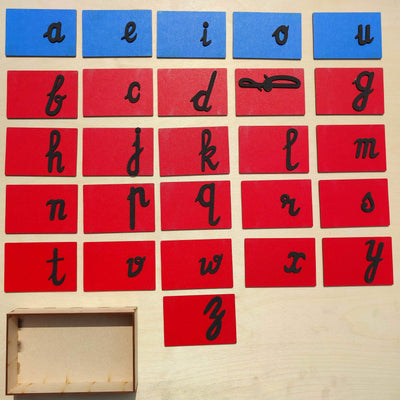
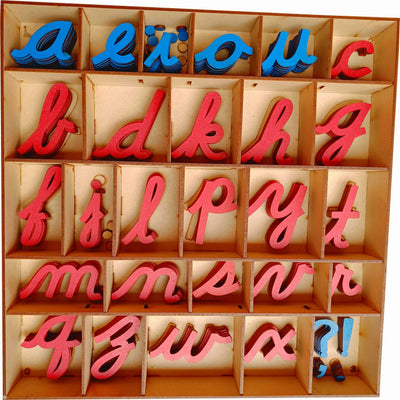
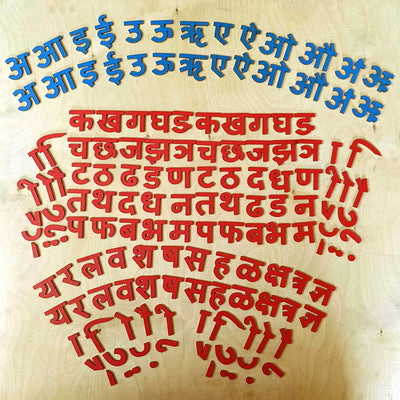
Introduce Malayalam Sandpaper Letters to connect the visual form of each letter with its phonetic sound through touch. Once children are familiar with individual sounds, the Movable Alphabet becomes an invaluable tool for forming Malayalam words. Children arrange the letter tiles to spell out familiar words, moving from simple CVC (consonant-vowel-consonant) words to more complex structures, building their confidence in spelling.
Phonetic Blending Games for Regional Language
Develop phonetic awareness by playing blending games where children combine individual letter sounds to form a complete word, or segment a word into its constituent sounds. Use flashcards with Malayalam letters and pictures of common objects, asking children to identify the starting sound or spell out the word. This reinforces the sound-symbol relationship crucial for accurate spelling.
Object Box Matching & Story Building
Create an 'object box' with small, everyday items from the home – perhaps a 'മരം' (maram - tree) or 'മീൻ' (meen - fish). Children can then match these objects to corresponding Malayalam word cards, enhancing vocabulary and visual recognition of spelling. Encourage them to use these words to build simple sentences or short stories, fostering creativity and contextual spelling.
Educational Toys That Support Screen-Free Spelling Activities
Integrating educational toys specifically designed for language learning significantly aids screen-free spelling activities. These toys provide structured, engaging opportunities for children to practice and reinforce their Malayalam literacy skills. SkilloToys offers a range of high-quality, durable materials perfect for this purpose.
DIY Letter Tiles and Sensory Trays
Encourage creativity by making DIY letter tiles from cardboard or using a small chalkboard for practicing Malayalam letters and words. Sensory trays filled with sand, salt, or rice allow children to trace letters and spell words with their fingers, providing a tactile experience that enhances memory and fine motor skills. This method makes learning both playful and hands-on.
Language Activity Kits and Wooden Puzzles
Specialized language activity kits are excellent resources, often containing a variety of tools like letter cards, word puzzles, and phonetic games tailored for Malayalam. Wooden puzzles featuring Malayalam characters or simple words offer visual and spatial learning, helping children recognize and assemble letter sequences. These provide repeated, self-correcting practice vital for early literacy.
Creating a Malayalam-Rich Home Environment
A language-rich home environment is paramount for cultivating malayalam literacy naturally and effectively. Indian homes, especially joint families, offer unique opportunities for immersive language exposure. This supportive setting ensures consistent interaction with the language beyond structured learning times.
Involve grandparents in storytelling sessions, where traditional tales, lullabies, and anecdotes are shared in Malayalam. This not only enhances vocabulary and listening skills but also strengthens cultural bonds. Label household objects with Malayalam words, creating a visual dictionary that children encounter daily. Regular reading of Malayalam books and celebrating festivals with traditional songs and greetings further embeds the language into their daily lives, making learning an integral, cherished part of growing up.
- Screen-free Montessori methods are definitive in enhancing Malayalam spelling and literacy for Indian children.
- Hands-on activities like Movable Alphabets and Sandpaper Letters build a strong phonetic and visual understanding of Malayalam.
- A language-rich home environment, including grandparent involvement, significantly supports screen-free regional language acquisition.
- Research shows tactile learning leads to deeper understanding and better retention compared to passive screen engagement.
- Montessori principles foster independence and self-correction, making Malayalam spelling mastery a joyful, child-led journey.
- Educational toys, such as language activity kits and wooden puzzles, provide structured, engaging screen-free practice for Malayalam literacy.
At what age should children start learning Malayalam spelling?
Children typically begin developing phonological awareness, a prerequisite for spelling, around 3 to 4 years old. Formal introduction to Malayalam spelling can effectively start between ages 4 and 6, using hands-on, multi-sensory Montessori materials that match their developmental stage.
How can I make learning Malayalam spelling fun without screens?
Making Malayalam spelling fun screen-free involves interactive, play-based activities such as using movable alphabets to form words, engaging in phonetic blending games, and creating stories with picture cards. Incorporating everyday objects and family storytelling also deepens engagement and makes learning enjoyable.
What Montessori materials are best for teaching Malayalam spelling?
For teaching Malayalam spelling, key Montessori materials include Sandpaper Letters, which introduce phonetic sounds tactilely, and the Movable Alphabet, allowing children to construct words physically. Language activity kits and wooden puzzles featuring Malayalam characters are also highly effective tools for building literacy skills.
How do Montessori principles help with regional language literacy?
Montessori principles empower regional language literacy by fostering independence, sensory exploration, and a prepared learning environment. This approach allows children to absorb language naturally, moving from concrete experiences to abstract understanding, which is highly effective for mastering complex scripts like Malayalam.
Can grandparents assist in teaching Malayalam spelling screen-free?
Yes, grandparents play an invaluable role in teaching Malayalam spelling screen-free by sharing stories, singing traditional songs, and engaging children in conversations in Malayalam. Their rich cultural knowledge and direct interaction provide authentic, loving language immersion that screens cannot replicate, fostering both language skills and family bonds.