Montessori for Child Resilience: Countering Screen Fragility
Building Montessori for child resilience is more critical than ever for Indian children. As recent statements, like those from RSS chief Mohan Bhagwat, underscore how excessive screen time and reduced family guidance can make children more fragile, a Montessori approach offers a profound solution. It actively nurtures intrinsic motivation, problem-solving abilities, and emotional regulation, providing children with a solid foundation to confidently navigate life's challenges.
Child resilience is the capacity to bounce back from adversity, adapt to change, and grow stronger through challenges. This matters immensely as children encounter academic pressures, social hurdles, and an increasingly digital world. Indian parents can cultivate resilience by providing nurturing environments and fostering independence from an early age.
Understanding Screen-Induced Fragility: Why Indian Kids Need Resilience
In today's fast-paced world, Indian children are increasingly exposed to screens, often leading to what experts term 'screen-induced fragility.' This manifests as decreased frustration tolerance, difficulty with emotional regulation, and challenges in developing deep social connections. Studies indicate that children with high screen time often struggle with delayed gratification and independent problem-solving, impacting their overall emotional robustness.
The constant, instant gratification offered by digital devices can prevent children from developing the patience and perseverance required to overcome real-world obstacles. Child development experts agree that a lack of unstructured play and face-to-face interaction, often displaced by screen time, hinders the natural development of coping mechanisms and interpersonal skills vital for a resilient personality. This is particularly concerning in Indian families where strong social bonds and traditional play were once cornerstones of childhood.
Montessori Emotional Development: Nurturing Inner Strength
The Montessori philosophy, pioneered by Dr. Maria Montessori, offers a time-tested framework for building profound emotional resilience. It emphasizes a 'prepared environment' where children aged 18-24 months and older are encouraged to explore, make choices, and learn through hands-on activities. This empowers them with a sense of agency and self-efficacy, crucial for developing emotional strength.
Through practical life exercises and sensorial materials, children learn to concentrate, complete tasks, and self-correct their errors, all without external judgment. For example, mastering the Montessori Pink Tower teaches not just size discrimination but also precision, focus, and the satisfaction of independent achievement. This process builds a child's inner discipline and confidence, vital components of resilience.
The Prepared Environment: A Foundation for Self-Reliance
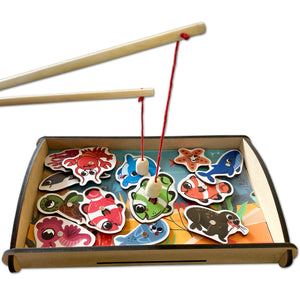
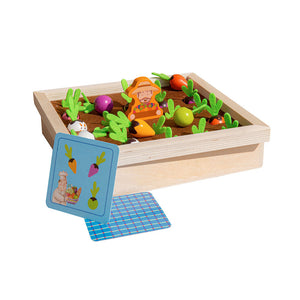
A Montessori prepared environment is designed to be child-centric, offering freedom within limits. This setting allows children to choose their activities, fostering intrinsic motivation and a deep sense of purpose. When a child independently selects and works with materials like Montessori activity kits, they develop the ability to manage their time, make decisions, and experience the natural consequences of their choices, all essential for resilience.
This self-directed learning contrasts sharply with the passive consumption of screen media, which often leaves children feeling overwhelmed and lacking agency. By engaging with concrete materials, children actively construct their understanding of the world, leading to greater intellectual and emotional stamina.
Practical Life Activities: Mastering Everyday Challenges
Practical Life activities, such as pouring water, buttoning clothes, or sweeping, are central to Montessori education. These seemingly simple tasks provide opportunities for children to develop coordination, concentration, and independence. The repetition involved in mastering these skills teaches perseverance and the value of effort, directly contributing to a child's resilience.
For an Indian child, helping with household chores, like preparing a simple snack or tidying up after playtime, instills a sense of contribution and capability within the family unit. These experiences are invaluable in teaching children to cope with minor frustrations and develop a 'can-do' attitude, moving them away from screen-induced helplessness.
Family Guidance Screen-Free: The Cornerstone of Resilience in India
While Montessori provides a structured learning environment, consistent family guidance is the unbreakable backbone for building resilience, especially in the unique context of Indian homes. Research shows that strong parent-child bonds and active family engagement are paramount in buffering children against external stressors, including the lure of screens. When parents are present and attentive, children feel secure and are better equipped to explore their world and develop coping strategies.
In many Indian families, the tradition of joint family living offers a natural network of support and varied adult interactions, which can be a powerful antidote to screen dependence. Grandparents narrating stories, cousins engaging in outdoor games, and shared family meals during festivals all contribute to rich, screen-free experiences that foster emotional depth and social resilience. This communal upbringing provides a tapestry of relationships that teach empathy, conflict resolution, and belonging, elements often absent in isolated screen interactions.
Building Resilience Kids India: Practical Screen-Free Parenting Tips
Empowering your child with resilience in an increasingly digital India requires intentional effort and creative alternatives to screen time. Start by setting clear, consistent boundaries around screen use and stick to them, involving older children in the discussion to foster understanding. Remember, consistency is key, just like teaching daily routines.
Encourage ample unstructured outdoor play – whether it’s gully cricket with friends or simply exploring the neighbourhood park. Introduce creative pursuits like drawing, painting, or traditional Indian crafts. Foster a love for reading by visiting local libraries or creating a cosy reading nook at home, transforming story time into a cherished family ritual. Involve your child in age-appropriate household responsibilities, helping them feel capable and contribute to the family's well-being, just like their elders do.
Most importantly, model resilient behaviour yourself. Show your children how you cope with challenges, manage emotions, and persevere through difficulties. Engage in meaningful conversations, actively listen to their concerns, and validate their feelings. These screen-free interactions provide the emotional scaffolding children need to become strong, adaptable individuals ready to face life with courage.
- Montessori education actively builds child resilience by fostering independence, self-regulation, and problem-solving skills.
- Excessive screen time is linked to emotional fragility in children, manifesting as decreased frustration tolerance and social skill deficits.
- Consistent family guidance, including strong parent-child bonds and communal activities, is crucial for counteracting screen dependence.
- A prepared Montessori environment encourages self-directed learning and intrinsic motivation, strengthening a child's inner discipline.
- Practical Life activities in Montessori teach perseverance, concentration, and the satisfaction of independent achievement.
- Indian families can leverage traditional practices like storytelling, outdoor play, and shared meals to create screen-free, resilience-building experiences.
What is screen-induced fragility in children?
Screen-induced fragility refers to children developing reduced emotional tolerance, difficulty with self-regulation, and struggles in real-world social interactions due to excessive screen time. This can lead to an inability to cope with minor frustrations or setbacks effectively.
How does Montessori build resilience in young children?
Montessori builds resilience by providing a prepared environment that fosters independence, choice, and self-correction through hands-on learning. Children develop self-discipline, concentration, and the satisfaction of completing tasks, which are foundational for emotional strength and adaptability.
What role does family guidance play in reducing screen dependence?
Family guidance is paramount; strong parent-child bonds and active family engagement provide crucial emotional security and offer compelling alternatives to screens. Consistent boundaries, shared activities, and open communication empower children to engage with the real world.
At what age should I start fostering resilience in my child?
Fostering resilience begins from infancy by providing a secure attachment, opportunities for exploration, and age-appropriate challenges. The Montessori approach often starts from toddlerhood (around 18 months) with activities designed to build independence and problem-solving skills.
Can Montessori materials help my child cope with stress?
Yes, Montessori materials can help children cope with stress by providing engaging, self-correcting activities that promote concentration and a sense of achievement. The focus and order inherent in working with these materials can be calming and empowering for children.