Montessori Toys Combat Screen-Time Speech Delay in Indian Kids
Montessori educational toys for speech delay from screen time offer a powerful, evidence-based solution for Indian children experiencing communication challenges. These materials effectively combat screen-time induced speech delay by providing rich, interactive, and sensory-rich environments that encourage natural communication, focus, and practical life skills essential for language acquisition. They replace passive screen viewing with active learning crucial for developing vocabulary, articulation, and social interaction.
The growing concern around speech delay in Indian children, often linked to excessive screen time, has become a significant talking point, recently highlighted by NDTV's 'The Silent Epidemic' article. Many Indian parents, navigating the complexities of modern life, the pressure of competitive schooling, and sometimes the need for a 'digital babysitter,' are grappling with this challenge. Reports from Firstpost on 'How screen addiction is harming children' further underscore this urgent issue, making solutions for speech development more critical than ever. As the Supreme Court considers sports as a fundamental right, it raises a bigger question about a child's overall foundational development. This guide empowers you with a Montessori approach, offering tangible alternatives to foster your child's speech and language skills.
What is Screen-Time Induced Speech Delay?
Speech delay from excessive screen time is when a child's language development lags behind age-appropriate milestones due to prolonged exposure to digital devices. This matters because early language skills are fundamental for cognitive development, social interaction, and academic success. Indian parents can actively mitigate this by limiting screen exposure and introducing engaging, interactive alternatives. Research indicates that children under two years of age benefit immensely from human interaction for language acquisition, rather than passive screen engagement.
The Montessori Approach: Nurturing Natural Communication
Maria Montessori's philosophy is rooted in observing and supporting a child's natural development, emphasizing hands-on learning within a prepared environment. This approach directly counters the passive nature of screen time by fostering active engagement, concentration, and purposeful activity – all crucial for language development. Studies indicate that a rich, interactive environment, characteristic of Montessori settings, significantly boosts vocabulary and articulation in early childhood. This child-led exploration encourages self-expression and builds the foundational skills for clear communication.
Montessori Educational Toys: Bridging the Speech Gap
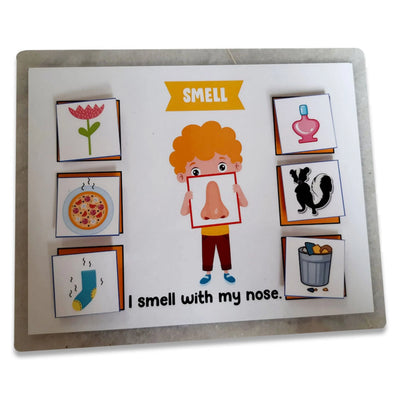
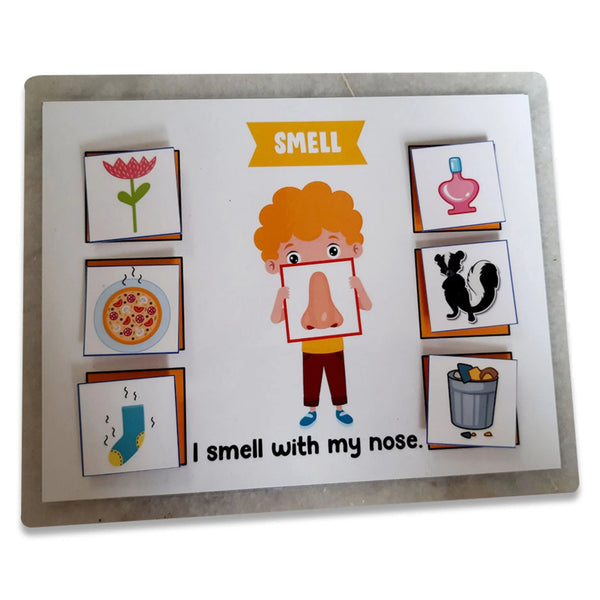
Montessori educational toys are not just playthings; they are carefully designed tools that engage a child's senses and intellect, naturally promoting speech and language. Unlike digital content, these materials require direct interaction, prompting children to name, describe, and question, thereby building a robust vocabulary and understanding of concepts.
Building Vocabulary and Conceptual Understanding
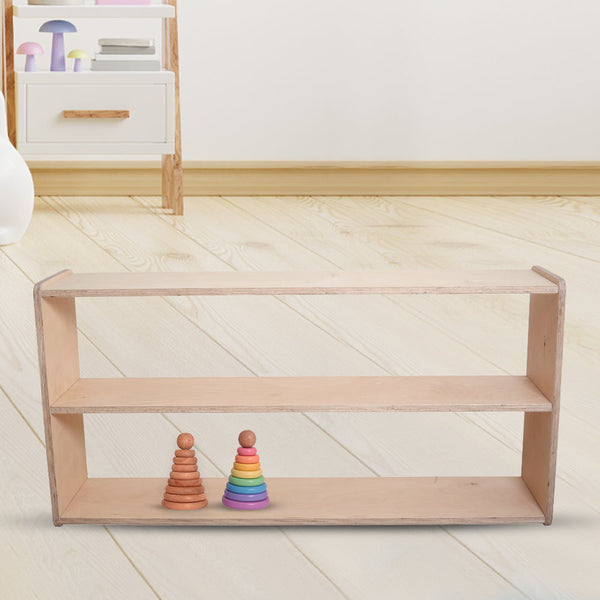
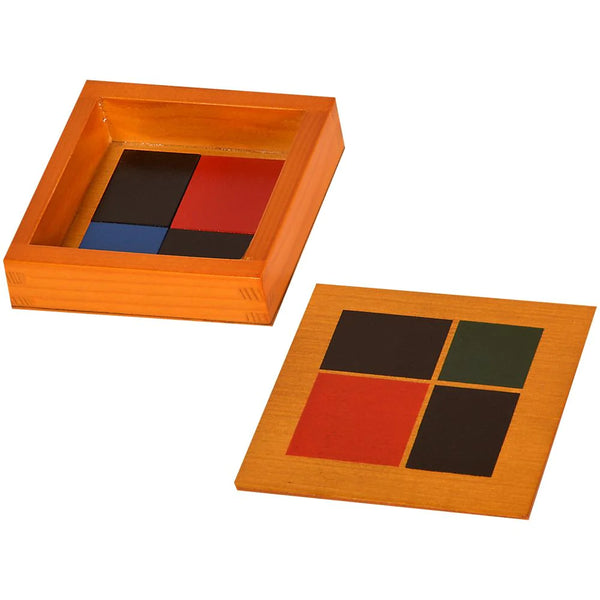
Materials like the Pink Tower, Broad Stair, and Cylinder Blocks, found in our main collection, engage children in precise sensory discrimination. As a child manipulates these, an adult or older sibling can name the colours, sizes, and shapes ("This is the tallest block," "The red cylinder is smaller"). This direct association between object and word is vital. Child development experts agree that concrete experiences form the bedrock of abstract language understanding.
Encouraging Articulation and Phonetic Awareness
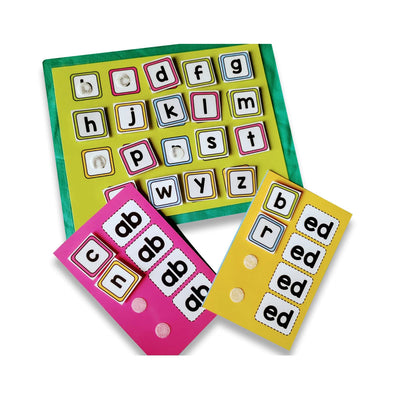
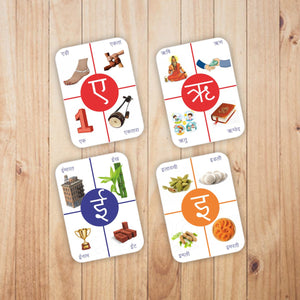
The Sandpaper Letters and Movable Alphabet are cornerstones for phonetic awareness. Tracing the textured letters helps children associate the shape with its sound, rather than just its name. This multisensory experience is invaluable for articulation. When a child vocalises the "mmm" sound while tracing 'M', they are actively connecting sound production with its representation, a critical step often missed in screen-only learning.
Fostering Communication and Social Interaction
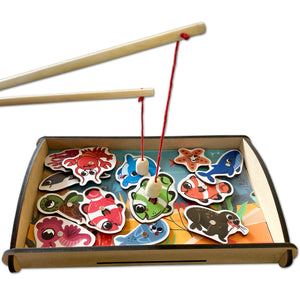
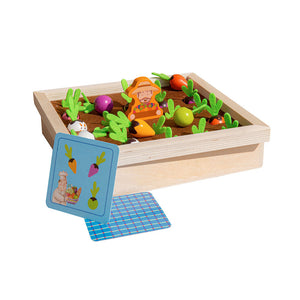
Practical Life materials, such as dressing frames, pouring activities, or even simple sorting games from our activityKits, offer abundant opportunities for dialogue. When children engage in these activities, they learn sequencing, problem-solving, and often work alongside peers or adults, prompting conversation. Imaginative play, whether with miniature figures or a dollhouse, encourages storytelling and role-playing, where children naturally practice expressing ideas and emotions. This interaction provides real-time feedback and motivation, something screens cannot replicate.
Creating a Screen-Free, Language-Rich Home for Indian Children
Reducing screen time for toddlers in India and fostering a language-rich environment goes beyond just introducing toys; it involves a conscious shift in daily routines and family dynamics. Child development experts agree that a responsive adult environment is paramount for language acquisition.
Integrating Montessori Language Development Activities into Daily Life
In Indian homes, storytelling sessions with grandparents are invaluable for exposing children to rich vocabulary and narrative structures. Involving children in simple kitchen tasks, like sorting lentils or washing vegetables, provides "practical life" activities that encourage communication. Describe actions, name ingredients, and ask questions. Festivals offer a vibrant canvas for new words and cultural narratives, making educational toys for communication skills a natural fit within these contexts. For instance, explaining traditions or decorating for Diwali can introduce numerous new words.
Practical Tips for Reducing Screen Time for Toddlers India
- Set Clear Boundaries: Establish "no-screen zones" (e.g., mealtimes, bedrooms) and consistent time limits.
- Offer Alternatives: Always have engaging Montessori toys or books readily available. A simple activity box can distract from screen cravings.
- Lead by Example: Parents can model healthy device usage. If adults are constantly on phones, children will mimic.
- Involve the Family: Grandparents and other family members in joint families can be incredible assets, engaging children in conversations, songs, and traditional games, naturally replacing screen time.
Addressing screen-time induced speech delay is a journey that requires patience, consistency, and the right tools. By embracing Montessori educational toys and principles, Indian parents can empower their children with a strong foundation in language, communication, and critical thinking. SkilloToys.com is committed to providing these invaluable resources, helping you build a screen-free, language-rich childhood for your little one, where every word spoken is a step towards a brighter future.
- Montessori educational toys directly combat screen-time induced speech delay by fostering active engagement over passive viewing.
- Speech delay linked to screen time is a growing concern in India, impacting cognitive and social development.
- Montessori materials like the Pink Tower and Sandpaper Letters build vocabulary, conceptual understanding, and phonetic awareness.
- Practical Life activities and imaginative play encourage crucial social interaction and articulation skills.
- Creating a language-rich home involves storytelling, family involvement, and setting clear screen-time boundaries.
- Child development experts recommend responsive adult interaction for optimal early language acquisition.
What is screen-time induced speech delay?
Screen-time induced speech delay is a developmental lag in a child's language skills attributed to excessive exposure to digital screens. It often results from a lack of active, responsive human interaction crucial for natural language acquisition and communication practice.
How do Montessori toys help with speech delay?
Montessori toys promote speech development by providing hands-on, multi-sensory experiences that encourage children to name objects, describe actions, and engage in purposeful communication. They foster concentration and direct interaction, which are vital for vocabulary building and articulation.
At what age is screen time most harmful for speech development?
Excessive screen time is particularly harmful for speech development in children aged 0-3 years, a critical period for language acquisition. Experts recommend minimal to no screen exposure for children under 18 months and very limited, supervised use for toddlers up to 24 months.
Can reducing screen time alone improve speech delay?
Reducing screen time is a crucial first step, but it is most effective when combined with increased human interaction and engaging activities, such as Montessori play. Providing a language-rich environment and responsive adult communication actively supports and accelerates speech development.
Are there specific Montessori toys for communication skills?
Yes, many Montessori materials foster communication skills. Sensorial materials like the Pink Tower build vocabulary, while Sandpaper Letters aid articulation. Practical Life activities encourage dialogue and social interaction, promoting holistic language development.