Parental Concern Over Children's Screen Time India: Montessori Solutions
The rising parental concern children screen time India is a validated challenge, as highlighted by recent studies from NIMHANS, revealing the growing anxieties among Indian families. SkilloToys offers effective Montessori-inspired solutions that empower parents to create engaging, screen-free environments, fostering holistic child development through purposeful activity.
Across India, from bustling metros to quieter towns, parents are grappling with the pervasive influence of digital devices on their children. Recent news underscores this national conversation, with Rajasthan launching a drive to reduce children's screen time and schools incorporating mindfulness to curb digital dependency. These initiatives reflect a collective awakening to the profound impact screens have on the youngest members of our society, sparking a search for meaningful alternatives.
NIMHANS Study Validates Screen Time Worries Among Indian Parents
A significant 'NIMHANS study flags rising parental concern over children’s screen time,' as reported by The Hindu, confirming what many Indian parents already feel deeply. This research from a reputable institution validates the anxieties parents hold about their children's development, academic performance, and overall well-being in the digital age. The study underscores that screen time worries parents across diverse socio-economic backgrounds, highlighting a universal challenge.
This growing concern isn't just anecdotal; studies indicate that excessive screen exposure in early childhood can impact cognitive development, attention spans, and social-emotional skills. For Indian families navigating academic pressures and joint family dynamics, finding a balance between modern technology and traditional values of play and interaction has become a critical parenting dilemma.
What is Excessive Screen Time for Children?
Excessive screen time for children refers to prolonged exposure to digital devices beyond recommended guidelines, hindering their physical, cognitive, and emotional development. This matters because it impacts attention spans, sleep, and social skills. Indian parents can mitigate this by offering engaging, hands-on alternatives.
Montessori Screen-Free Solutions for a Balanced Childhood
Child development experts agree that a screen-free or significantly reduced screen time environment is optimal for young children. Montessori education, founded by Dr. Maria Montessori, provides a time-tested framework for achieving this. It emphasizes self-directed activity, hands-on learning, and collaborative play, naturally diverting children from digital screens.
Montessori's philosophy centers on respecting the child as an individual capable of self-learning. By offering engaging, age-appropriate activities, children become deeply absorbed in their work, fostering concentration and a genuine love for learning. This approach provides robust Montessori screen-free solutions, offering a compelling alternative to passive digital consumption.
Creating a "Prepared Environment" at Home
A key Montessori principle is the "prepared environment" – a child-friendly space designed to encourage independence and exploration. For Indian homes, this means creating dedicated areas where children can access materials independently, whether it’s a low shelf with books in the living room or a mat for puzzles in their bedroom. This empowers children to choose their activities, reducing reliance on adult-mediated entertainment like screens.
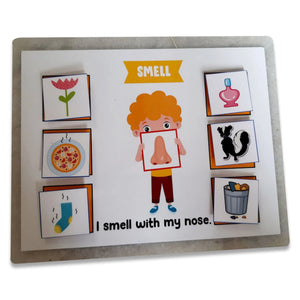
Investing in high-quality, open-ended Montessori materials such as the Pink Tower, Sandpaper Letters, or Practical Life kits, provides children with purposeful work. These materials are designed to engage multiple senses and develop fine motor skills, logical thinking, and concentration, naturally drawing children away from screens. They offer tangible, satisfying experiences that digital apps cannot replicate.
Engaging Activities Over Digital Distractions
Instead of relying on tablets, parents can introduce a wealth of engaging activities that align with Montessori principles. For toddlers aged 18-36 months, practical life skills like pouring water, sweeping, or buttoning clothes are incredibly engaging and build independence. For preschoolers, sensory exploration with natural materials, art projects, and language activities are paramount.
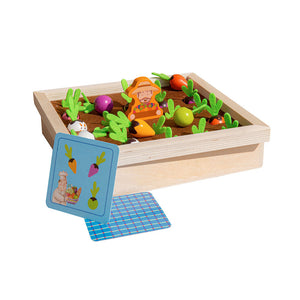
SkilloToys offers a wide range of activity kits that cater to various age groups and developmental stages, providing ready-made screen-free fun. These kits are designed to be hands-on, stimulating creativity, problem-solving, and critical thinking. They also offer wonderful opportunities for joint family engagement, fostering bonds with parents and grandparents through shared play.
Practical Steps to Reduce Child Screen Time in Indian Homes
Reducing child screen time India effectively requires a multi-faceted approach, tailored to the unique dynamics of Indian households. Start by establishing clear family rules about screen use, making them visible and consistent. Involving older children in setting these rules can increase their adherence.
Prioritize outdoor play and unstructured time. Research shows that physical activity is crucial for brain development and can significantly reduce screen dependency. Encourage children to play in parks, explore their neighbourhood, or participate in traditional Indian games with friends and cousins. Grandparents can play a pivotal role here, sharing stories, teaching traditional crafts, and engaging children in conversations, providing rich alternatives to screens.
Model good screen habits yourself. Children learn best by example. If parents are constantly on their phones, children will internalize that behavior. Designate screen-free times, such as during meals or before bedtime, and engage in family activities like reading, board games, or preparing for festivals together. This creates a culture of mindful technology use and prioritizes real-world interactions over digital ones.
Addressing the rising parental concern over children's screen time in India is not just about limiting access, but about offering compelling, enriching alternatives. By embracing Montessori principles and creating a stimulating home environment, Indian parents can confidently navigate the digital age, nurturing children who are curious, independent, and deeply connected to their real-world surroundings.
- The NIMHANS study confirms a significant rise in parental concern over children's screen time in India.
- Montessori education provides structured, hands-on alternatives that naturally reduce screen dependency.
- Creating a "prepared environment" at home empowers children to engage in independent, purposeful activities.
- Hands-on learning materials, such as those offered by SkilloToys, are crucial for sensory and cognitive development.
- Consistent family routines, parental modeling, and outdoor play are essential for reducing screen time.
- Engaging grandparents and extended family in screen-free activities strengthens familial bonds and offers rich developmental experiences.