Reduce Screen Dependence: Psychologist Tips for Indian Kids
Child development experts universally agree that implementing psychologist-approved methods is crucial to effectively reduce screen dependence in Indian children, empowering them with engaging, real-world alternatives. This comprehensive guide provides actionable Montessori strategies that address the growing challenge of screen time, offering parents in Bengaluru and across India practical steps for a balanced childhood.
Screen dependence in children is characterized by an unhealthy reliance on digital devices, impacting their development and daily functioning. This matters because excessive screen time can lead to reduced attention spans and disturbed sleep, as recent studies indicate. Indian parents can actively counter this by fostering enriching, hands-on learning environments.
In today's fast-paced world, Indian parents often grapple with the pervasive influence of screens. From managing school pressure to navigating family celebrations and joint family dynamics, finding a balance feels increasingly difficult. Recent news highlighting Kerala's proposed legislation to regulate children's screen time and schools adding mindfulness to curb usage underscores a widespread societal concern.
Understanding Screen Dependence in Indian Homes
Research shows that increased screen time among children is leading to reduced attention spans and disturbed sleep, a concern highlighted recently by The Economic Times. For many Indian families, this isn't just about limiting cartoons; it's about addressing screen addiction in kids India faces, often exacerbated by readily available smartphones and tablets in multi-generational households.
Psychologists identify several factors contributing to screen dependence, including boredom, parental convenience, and the lack of engaging alternatives. Understanding these triggers within your unique family structure is the first step towards effective intervention. Recognising that every family's journey is unique fosters a non-judgmental approach.
Psychologist-Approved Strategies for Screen Reduction
Drawing insights from child psychology, experts recommend a multi-pronged approach to effectively reduce screen time. These psychologist tips screen time reduction strategies focus on setting boundaries, offering alternatives, and modeling healthy habits. It's about empowering children with choice within a structured environment.
Studies indicate that children thrive on routine and clear expectations. Establish consistent screen time rules, communicate them clearly, and ensure all caregivers, including grandparents, are on board. This unified front helps children understand boundaries and reduces negotiation or manipulation attempts.
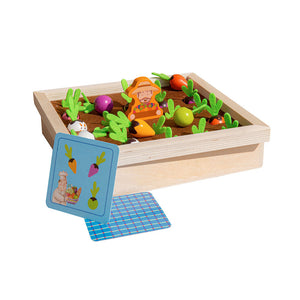
Another key strategy involves replacing passive screen time with active, enriching experiences. This aligns perfectly with Montessori principles, which advocate for purposeful engagement. Offer a variety of activity kits that encourage creativity, problem-solving, and fine motor skill development.
Montessori Screen-Free Solutions for Engaged Learning
Maria Montessori's philosophy offers powerful, practical Montessori screen-free solutions that naturally curb screen dependence by captivating a child's innate curiosity. The prepared environment is central to this, providing child-sized tools and materials that invite independent exploration and focused work. This environment becomes a 'yes' space, rich with possibilities.
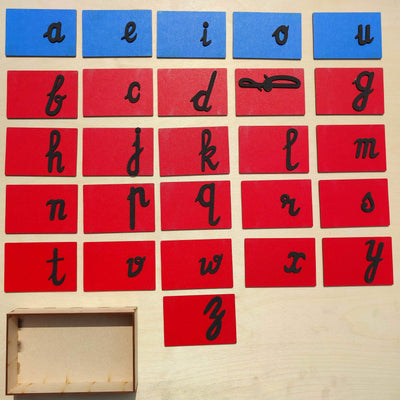
For toddlers aged 18-36 months, practical life activities like pouring, sweeping, or buttoning are incredibly engaging. Older children can delve into sensorial materials such as the Pink Tower or Sandpaper Letters, which refine their senses and prepare them for academic concepts. These materials provide tangible feedback, unlike the ephemeral nature of screens.
The goal is to provide activities so compelling that screens lose their appeal. A dedicated shelf with rotating Montessori-inspired materials from the SkilloToys main collection ensures novelty and sustained interest. Children develop concentration and self-discipline through this meaningful work, reducing the need for external stimulation.
Creating a Nurturing Screen-Free Environment
Implementing effective ways reduce screen time begins at home by strategically designing your child's surroundings. Designate specific 'screen-free zones' in the house, such as bedrooms or dining areas, where devices are not allowed. This reinforces boundaries and promotes family interaction during meals and bedtime routines.
Ensure that alternatives to screens are readily accessible and appealing. A cozy reading nook, art supplies, building blocks, or a basket of nature-based treasures can all serve as invitations to play. Children are more likely to engage with what is immediately available and easy to access.
Child development experts agree that parental modeling is paramount. When parents actively engage in screen-free activities, children are more likely to follow suit. Schedule regular family time dedicated to outdoor play, board games, or helping with household chores – activities that strengthen bonds and practical skills.
Fostering Family Engagement Beyond Screens
In the rich tapestry of Indian family life, leveraging traditional interactions can be a powerful antidote to screen dependence. Grandparents, often central figures in joint families, can be invaluable allies in fostering screen-free engagement. Encourage them to share stories, teach traditional crafts, or engage in simple games that connect generations.
Family festivals and celebrations offer natural opportunities for screen breaks. Focus on the rituals, community participation, and sensory experiences of these events rather than documenting them through a screen. Children learn more from active participation than from passively observing through a device.
Creating a family media plan can be incredibly helpful. This plan, developed collaboratively with older children, outlines agreed-upon screen time limits, designated screen-free times, and consequences for non-compliance. This approach empowers children by involving them in the decision-making process.
Reducing screen dependence is a journey, not a destination. By integrating psychologist-approved methods with the empowering philosophy of Montessori, Indian parents can cultivate a childhood rich in exploration, connection, and purposeful learning. SkilloToys.com is dedicated to supporting this journey with resources and thoughtfully designed materials that inspire screen-free engagement.
- Psychologist-approved methods are crucial for effectively reducing screen dependence in children.
- Excessive screen time is linked to reduced attention spans and disturbed sleep in children, a significant concern in India.
- Montessori principles, focusing on a prepared environment and purposeful activities, provide strong screen-free alternatives.
- Establishing clear screen time boundaries and consistent routines is essential for children's development.
- Parental modeling of screen-free engagement significantly influences a child's habits.
- Engaging family members, especially grandparents, in traditional, hands-on activities can effectively reduce screen reliance.
Is all screen time harmful for Indian children?
Not all screen time is inherently harmful, but excessive, unsupervised, or passive consumption of digital media can negatively impact child development. Experts recommend focusing on quality, interactive content and strict time limits, especially for younger children.
How can I manage screen time with grandparents in a joint family?
Open and respectful communication is key with grandparents in a joint family setting. Explain your screen time rules, the reasons behind them, and offer engaging Montessori activities or books as appealing alternatives that everyone can enjoy together.
What if my child throws tantrums when screens are taken away?
Tantrums are a normal response to boundaries. Stay consistent and empathetic, acknowledging their feelings without giving in. Offer a comforting hug and immediately redirect their attention to an engaging, prepared activity or a favorite Montessori material.
At what age should I introduce Montessori activities to reduce screen dependence?
Montessori principles are effective from birth, making it ideal to introduce developmentally appropriate activities as early as possible. Focusing on hands-on exploration and practical life skills from infancy naturally builds a foundation for screen-free engagement.
How can I find time for screen-free activities amidst busy Indian schedules?
Integrate Montessori principles by creating a prepared environment where children can engage independently. Even short, focused periods of play with purpose-driven materials, like those from SkilloToys' main collection, can be highly effective and require less direct parental supervision.