Save Kids From Excessive Screen Time: Montessori Steps for India
When prominent figures like Yogi Adityanath call to save kids from excessive screen time, it resonates deeply with Indian parents grappling with this modern challenge. This definitive statement from a leader underscores a growing societal concern that demands practical, effective solutions for every Indian home. The Montessori method offers a proven framework to empower parents in Bengaluru and across India to cultivate a truly screen-free childhood.
What is Montessori Screen-Free Parenting?
Montessori screen-free parenting is an approach that prioritises real-world exploration, hands-on learning, and independent discovery over digital entertainment. This matters because it nurtures a child's natural development, fosters concentration, and strengthens their connection to their immediate environment. Indian parents can implement this by preparing a stimulating home environment and offering engaging alternatives.
Understanding the Call to Action: Yogi Adityanath on Screen Time
The recent statement by Yogi Adityanath, urging efforts to ‘save kids from excessive screen time’, highlights a critical issue facing Indian families today. This appeal acknowledges the widespread concern about children spending increasing hours glued to digital devices, impacting their health, development, and social skills. The sentiment reflects what many Indian parents already feel – a desire for their children to experience childhood beyond the glow of a screen.
This concern is echoed by medical professionals and government initiatives, as seen with Google's India guidebook on children's screen time and ‘India’s top doctors’ explaining how screen addiction is harming children. Research consistently indicates that excessive screen time in early childhood can lead to developmental delays, attention issues, and even ‘digital amnesia’, where children struggle to retain information. This collective call to action is a powerful motivator for parents seeking tangible ways to bring balance back to their children's lives.
Practical Montessori Steps for Screen Time Reduction in Indian Homes
Implementing effective screen time reduction India-wide begins with intentional, Montessori-inspired strategies within the home. The Montessori approach advocates for a ‘prepared environment’ – a space designed to invite exploration and learning. For Indian families, this means creating areas within the home, even in smaller apartments or joint family setups, that are rich with opportunities for purposeful play and activity.
Start by identifying ‘no-screen zones’ like bedrooms and dining tables, making these spaces sacred for interaction and practical life activities. Involve children in everyday chores – from setting the table to sorting pulses – transforming routine tasks into engaging learning experiences. These activities not only build practical skills but also provide a meaningful alternative to passive screen engagement.
Creating a Prepared Environment: The Montessori Way to a Screen-Free Childhood
A cornerstone of Montessori screen-free parenting is the prepared environment, where everything a child needs for independent learning and discovery is accessible and inviting. For toddlers (18-36 months), this could mean low shelves stocked with practical life materials like pouring jugs, sorting trays, or simple puzzles.
For preschoolers (3-6 years), expand this to include art supplies, age-appropriate books, and sensorial materials like the Pink Tower or Brown Stair. The key is to make these activities more appealing and readily available than screens. When children are deeply engaged in purposeful work, the allure of a screen naturally diminishes. Studies show that children in enriched environments demonstrate greater cognitive flexibility and problem-solving skills, reducing their reliance on external stimuli like screens.
Engaging Alternatives: Educational Toys for Holistic Development
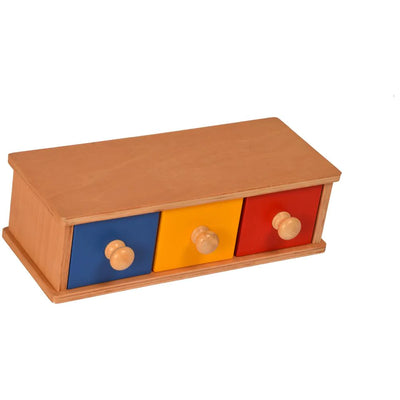
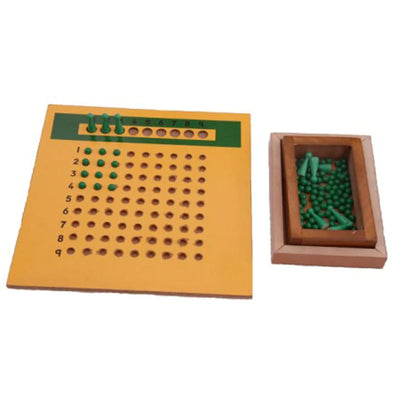
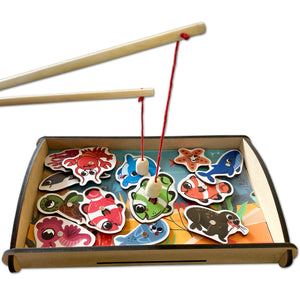
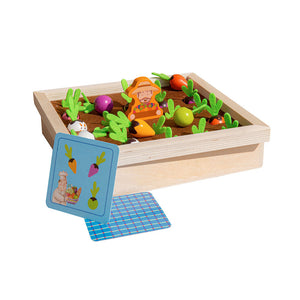
To truly save kids from excessive screen time, providing compelling alternatives is paramount. This is where high-quality educational toys India parents trust come into play. Montessori materials are not just toys; they are tools for development, designed to isolate concepts and encourage self-correction.
Consider introducing materials that foster fine motor skills, like sensorial materials or threading beads. For cognitive development, wooden puzzles, stacking blocks, and geography puzzles offer tangible learning. Our activityKits are specially curated to bring Montessori principles into your home, providing structured yet engaging activities that keep young minds stimulated and away from screens. These hands-on experiences are crucial for building neural pathways and fostering a genuine love for learning.
Family Involvement: Grandparents and Joint Families in Screen-Free Parenting
In the unique Indian context, joint families and grandparents play an invaluable role in supporting screen-free parenting. Grandparents, with their wealth of stories, traditional games, and culinary skills, can provide rich, intergenerational interactions that are far more enriching than any digital content. Encourage them to share folk tales, teach traditional crafts, or involve children in preparing family recipes during festivals like Diwali or Holi.
This collective effort not only provides diverse engagement opportunities but also strengthens family bonds. Research indicates that strong intergenerational connections contribute significantly to a child's emotional wellbeing and cultural identity. By empowering every family member to contribute to a stimulating, screen-free environment, Indian homes can collectively ‘save kids from excessive screen time’ and nurture well-rounded, connected individuals.
- Yogi Adityanath's call to ‘save kids from excessive screen time’ highlights a critical issue for Indian parents.
- Montessori screen-free parenting prioritises real-world exploration and hands-on learning over digital engagement.
- Creating a ‘prepared environment’ at home, rich with purposeful activities, is key to reducing screen reliance.
- High-quality educational toys and materials offer engaging alternatives that promote holistic child development.
- Indian joint families and grandparents play a crucial role in providing diverse, screen-free interactions and cultural learning.
- Eliminating screens for children under 18-24 months and severely limiting for ages 2-5 is a global expert recommendation.
How can I effectively reduce my child's screen time at home?
Effectively reducing screen time involves creating a prepared environment with engaging alternatives and establishing clear boundaries. Offer hands-on activities, outdoor play, and meaningful interactions as consistent substitutes for digital entertainment.
What benefits does Montessori offer for screen-free parenting?
Montessori fosters concentration, independence, and a love for learning through practical, sensory experiences, which naturally reduces the appeal of screens. It nurtures intrinsic motivation and a child's natural curiosity about the real world.
Are educational toys truly better than screens for child development?
Yes, educational toys provide tangible, multi-sensory experiences that screens cannot replicate, promoting fine motor skills, problem-solving, and imaginative play. Research shows that engaging with physical toys supports deeper cognitive and social-emotional development.
How can joint families support screen time reduction for children?
Joint families can support screen time reduction by offering diverse adult-child interactions, sharing storytelling traditions, and engaging in collective activities like cooking or gardening. Grandparents, in particular, play a crucial role in providing enriching, screen-free engagement and passing on cultural values.
At what age should children start using screens, according to experts?
Child development experts strongly recommend no screen time for children under 18-24 months, beyond video calls with family. For children aged 2-5, screen time should be limited to less than one hour per day of high-quality educational programming, always co-viewed with a parent.