Screen-Free Parenting Strategies India: Fight Kids' Screen Obsession
Indian parents can effectively fight back against kids' screen obsession by implementing consistent boundaries, offering engaging alternatives, and fostering a prepared environment rich in Montessori-inspired activities. As concerns grow, highlighted by recent studies from NIMHANS and reports from The South First, adopting robust screen-free parenting strategies India is crucial for children's holistic development. This guide empowers families to navigate the digital age with confidence, ensuring a childhood filled with exploration and hands-on learning.
Screen-free parenting, in the Indian context, involves consciously limiting or eliminating digital media exposure for children, particularly in their foundational years. This matters because extensive screen time is linked to developmental delays, reduced attention spans, and impaired social skills, issues a NIMHANS study flags as rising parental concern. Indian parents can nurture creativity and cognitive growth by prioritizing real-world interactions and purposeful play.
Establishing Healthy Screen Boundaries for Indian Homes
Child development experts agree that clear, consistent boundaries are foundational to reducing kids' screen time India. Research shows that setting predictable rules, such as designated screen-free zones or times, significantly impacts a child's digital consumption. In a typical Indian joint family setup, involving grandparents and other caregivers in these discussions is vital to ensure everyone is on the same page and supports the agreed-upon guidelines.
A practical strategy involves creating a family media plan, outlining when, where, and for how long screens can be used. For instance, declaring mealtimes and bedtime routines as strictly screen-free can establish healthy habits. Studies indicate that children thrive on routine, and consistent enforcement of these rules, even amidst festival celebrations or school holiday excitement, helps them internalize expectations and seek out alternatives.
Montessori-Inspired Alternatives: Engaging Hands-On Play
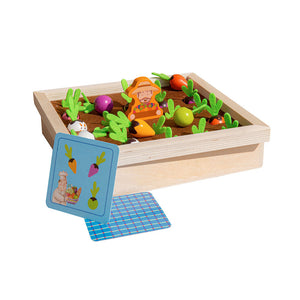
Montessori education provides powerful screen time alternatives for kids by emphasizing self-directed, hands-on learning. Maria Montessori's philosophy centers on allowing children to explore and master tasks at their own pace, fostering concentration and independence. Instead of passively watching a screen, a child engaged with a Montessori activity kit develops fine motor skills and problem-solving abilities.
Specific Montessori activities for screen-free engagement include practical life exercises like pouring water, buttoning clothes, or preparing a simple snack. Sensorial materials such as the Pink Tower or Brown Stair refine a child's senses, while sandpaper letters introduce literacy in a tactile way. These materials offer tangible, repeatable experiences that are far more enriching than digital interactions, building foundational skills for life and academics.
Cultivating a "Prepared Environment" for Screen-Free Fun
The Montessori concept of a "prepared environment" is paramount for encouraging screen-free play. This involves designing a child's living space with accessible, age-appropriate educational toys for kids that invite exploration. In an Indian home, this might mean a low shelf with puzzles and art supplies in the living room, or a dedicated corner for building blocks and an India Map Puzzle in their room, rather than a TV being the focal point.
Providing a rich selection of educational materials naturally steers children away from screens. Ensure toys are rotated regularly to maintain interest and offer open-ended materials that encourage creativity, like clay, crayons, or construction sets. This environment empowers children to choose meaningful activities independently, nurturing their innate curiosity and capacity for self-entertainment.
Incorporating Mindfulness and Nature into Daily Routines
As reported by The Times of India, schools are adding mindfulness to curb kids’ screen time, and parents can integrate similar practices at home. Mindfulness for kids doesn't require elaborate setups; it can be as simple as observing the sounds of birds from the balcony or focusing on the scent of jasmine in the garden. These practices help children develop present-moment awareness and calm their minds, reducing the craving for digital stimulation.
Connecting with nature is another powerful antidote to screen dependency. Regular visits to local parks, a walk around the neighbourhood, or even tending to a small potted plant on the windowsill can offer sensory-rich experiences. Outdoor play boosts physical health, enhances creativity, and provides natural stimuli that screens cannot replicate, contributing significantly to mental well-being.
Language and Cultural Immersion: Beyond the Screen
Leveraging India's rich cultural heritage offers countless screen-free opportunities. Encourage storytelling sessions, where grandparents can share traditional folktales and family histories. This not only strengthens intergenerational bonds but also enhances language development and imagination. Engaging in an activity in Marathi, Kannada, or any regional language through songs, rhymes, or simple games is a powerful way to foster cultural pride and linguistic skills.
Involve children in preparing for festivals, from making decorations to helping with traditional sweets. These activities are immersive, educational, and inherently screen-free. Traditional Indian games like Carrom, Lagori, or simple board games can become family favourites, providing hours of interactive fun and skill development without relying on digital devices.
- Consistent boundaries and family media plans significantly reduce children's screen time.
- Montessori principles foster independence and concentration through hands-on learning.
- A prepared environment with accessible, age-appropriate educational toys encourages screen-free play.
- Incorporating mindfulness and nature connection improves children's well-being and reduces screen dependency.
- Leveraging India's cultural richness through storytelling and traditional activities offers engaging alternatives.
- Experts recommend no screen time for children under 18-24 months, and under one hour for ages 2-5.
What is the recommended screen time for children in India?
Child development experts and global health organizations recommend no screen time for children under 18-24 months, except for video calls with family. For children aged 2-5 years, it's advised to limit screen use to less than one hour per day, with parents present for interactive, educational content.
How can I reduce my child's screen time without major tantrums?
Reducing screen time effectively involves setting clear, consistent boundaries and offering engaging, hands-on alternatives. Introduce new activities gradually, involve your child in choosing screen-free options, and ensure a stimulating 'prepared environment' at home to minimize resistance.
Are educational apps a good alternative to passive screen time?
While some educational apps can offer learning opportunities, they still contribute to screen time. For optimal development, active, hands-on engagement with physical materials like educational toys, puzzles, and creative arts is superior, as it fosters multi-sensory learning and problem-solving skills that screens cannot fully replicate.
How can Montessori principles help with screen-free parenting?
Montessori principles, such as fostering independence, creating a prepared environment, and offering purposeful work, naturally encourage screen-free engagement. By providing stimulating, child-led activities with materials like practical life tools or sensorial apparatus, children develop concentration and self-directed learning away from digital distractions.
What if my child's grandparents encourage more screen time?
Addressing screen time with grandparents requires open, respectful communication about your family's boundaries and the benefits of screen-free play. Share educational resources, involve them in introducing engaging physical activities, and emphasize the precious bond they can build through shared, active experiences rather than passive screen viewing.