Screen Time & Disturbed Sleep in Children: Montessori Solutions
Research consistently shows that excessive screen time disturbed sleep children, leading to significant negative impacts on their physical and cognitive development. In many Indian households, the growing reliance on digital devices for entertainment and education is unknowingly disrupting children's natural sleep cycles, a concern echoed by recent studies from The Economic Times and NIMHANS. Parents in Bengaluru and across India are increasingly seeking practical, effective ways to reclaim peaceful nights for their little ones.
This guide offers a solution-focused approach, rooted in Montessori principles, to help your child achieve restful sleep. We understand the challenges Indian parents face and provide actionable strategies to mitigate the impact of screen time, fostering healthier sleep habits for the whole family.
The Impact of Screen Time on Children's Sleep: What Parents Need to Know
The impact of screen time on children's sleep refers to how exposure to digital devices, especially before bedtime, interferes with their ability to fall asleep, stay asleep, and achieve restorative rest. This matters because quality sleep is fundamental for a child's brain development, emotional regulation, and immune system. Indian parents can mitigate this by establishing consistent screen-free routines and creating a calming environment.
The Science Behind Disturbed Sleep & Screens: Understanding Blue Light
Studies indicate that the blue light emitted from screens suppresses melatonin production, the hormone essential for sleep, making it harder for children to fall asleep. This disruption is a primary reason why blue light kids sleep patterns are so negatively affected. Child development experts agree that even short periods of screen exposure before bed can delay sleep onset by up to 30 minutes, contributing to overall sleep deprivation.
Beyond blue light, the stimulating content on screens keeps children's brains alert and engaged, making it difficult for them to wind down. This cognitive arousal, coupled with the hormonal interference, directly explains the prevalent issue of impact of screen time on sleep kids. Recent findings published in The Times of India further highlight the hidden costs, including increased anxiety and reduced attention spans, all exacerbated by poor sleep.
Montessori Principles for a Restful Sleep Routine
The Montessori philosophy champions order, routine, and a prepared environment, which are invaluable for establishing a healthy montessori sleep routine. Maria Montessori observed that children thrive on predictability, and a consistent bedtime ritual provides the security and calm they need to transition from waking to sleeping.
Creating a 'prepared environment' extends to the child's bedroom, making it a sanctuary for rest. This means a clutter-free space, dim lighting, and a lack of stimulating electronics. By involving children in their bedtime preparations, such as choosing their pajamas or tidying their books, parents foster independence and cooperation, making the routine more enjoyable and effective.
Screen-Free Bedtime Activities for Calm Nights
Transitioning away from screens doesn't mean boredom; it opens up a world of engaging, calming screen-free bedtime activities. For Indian families, this could mean reviving traditional practices like storytelling by grandparents, singing lullabies (लोरी), or engaging in quiet, focused play with Montessori materials. These activities help children process their day and prepare their minds for sleep without digital overstimulation.
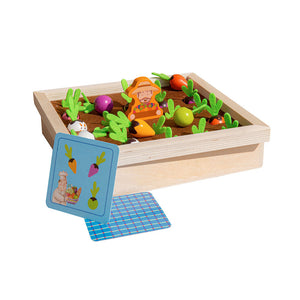
Consider simple, hands-on activities that encourage concentration and fine motor skills. Puzzles, sorting tasks with everyday items, or arranging beads from activity kits can be wonderfully soothing. For younger children, exploring sensorial materials like the Montessori Pink Tower or Sandpaper Letters offers a gentle, engaging way to wind down. These materials are specifically designed as educational toys for calm before bed, promoting peace and focus.
Reading together, drawing, or even a quiet conversation about the day's events are excellent ways to bond and prepare for sleep. These moments of connection reinforce a sense of security and allow children to settle their thoughts naturally. The goal is to replace the stimulating glow of screens with the warm, comforting glow of family connection and quiet engagement.
Creating a Sleep-Conducive Environment
Beyond activities, the physical environment plays a crucial role in promoting sleep. Ensure your child's bedroom is dark, quiet, and cool. Blackout curtains can be invaluable in Indian homes, especially during long summer days or festive lights. White noise machines can help mask sudden sounds, providing a consistent, soothing background.
Limiting screen usage for all family members in the evening also sets a powerful example. Children are keen observers, and when parents and grandparents also put away their devices, it reinforces the importance of screen-free time. This collective effort creates a shared calm, signaling to everyone that it's time to unwind and prepare for rest.
- Excessive screen time significantly disrupts children's natural sleep cycles.
- Blue light from screens suppresses melatonin, delaying sleep onset and reducing sleep quality.
- Child development experts recommend 60-90 minutes of screen-free time before bed.
- Montessori principles emphasize routine, a prepared environment, and calm activities for better sleep.
- Engaging in hands-on, quiet activities like puzzles or reading effectively replaces screen time.
- Creating a dark, quiet, and cool sleep environment is crucial for restorative sleep.
By understanding the profound impact of screen time on sleep and embracing Montessori-inspired solutions, Indian parents can empower their children to achieve the restful nights they deserve. It's a journey towards healthier habits, brighter mornings, and a foundation for lifelong well-being.
Explore SkilloToys.com for a wide range of Montessori learning materials and educational toys that support calm, focused play, perfect for establishing a peaceful bedtime routine.