Screen Time Effects on Children: Montessori Strategies for Indian Parents
The escalating screen time effects on children, particularly the alarming rise in childhood obesity and concerning dips in academic performance, are urgent issues for Indian parents today. As news reports from The Tribune, The Times of India, and Healthshots highlight these challenges, Montessori strategies offer a powerful, actionable framework to empower families, helping children thrive both physically and academically.
Excessive screen time, often referred to as "screen time obesity" due to its link with sedentary lifestyles and weight gain, involves children spending prolonged periods on digital devices. This matters immensely because it directly impacts physical health, cognitive development, and social-emotional well-being. Indian parents can actively counter these trends by implementing structured, engaging alternatives found in the Montessori approach.
The Alarming Rise of Screen Time Effects on Indian Children
Recent headlines confirm what many Indian parents already feel: the struggle against digital devices is real and its consequences are significant. PGI Experts, as cited by The Tribune, emphasize the critical "parental role must for checking rising screen time among kids." Research shows a direct correlation between increased screen exposure and the rising instances of child obesity screen time India is experiencing.
Beyond physical health, excessive digital engagement also casts a shadow over a child's learning journey. Studies indicate that high screen time negatively impacts attention spans and can lead to a decline in screen time academic performance kids display. Jaaved Jaaferi's anecdote in The Times of India about his son struggling to watch a sunset vividly illustrates how screens diminish a child's connection with the real world, impacting their observational skills and concentration.
Montessori: A Proven Solution for Screen Time Management
The Montessori method, pioneered by Dr. Maria Montessori, is uniquely positioned to address the modern challenge of screen addiction. It focuses on hands-on, self-directed learning within a carefully "prepared environment" designed to meet a child's developmental needs. This approach naturally diverts children from screens by offering engaging, purposeful activities that foster concentration and intrinsic motivation.
Child development experts agree that a stimulating physical environment is key to healthy development. By providing accessible, age-appropriate materials, Montessori creates an alternative world where exploration and discovery are paramount. This proactive strategy forms the core of effective Montessori solutions screen addiction.
Creating a Screen-Free 'Prepared Environment' at Home
Transforming your home into a Montessori-inspired space doesn't require a complete overhaul; it’s about intentionality. In Indian homes, this means carving out dedicated "yes" spaces where children can freely engage with educational toys and activities without constant supervision. This could be a corner in the living room or a designated play area where materials are neatly organized and within reach.
In a typical Indian joint family setting, grandparents can play a crucial role. Encourage them to engage children with traditional games, storytelling, or helping with simple household chores. Providing diverse, engaging activityKits that promote fine motor skills and creative thinking naturally reduces the allure of passive screen entertainment, fostering independence and a love for practical engagement.
Encouraging Active Play and Cognitive Engagement
Montessori places a strong emphasis on movement and purposeful activity, which directly counters the sedentary nature of screen time. For toddlers (18-36 months), activities like sorting, pouring water, or transferring beans build essential fine motor skills. For preschoolers (3-6 years), sensorial materials like the Pink Tower or Brown Stair engage the senses and develop logical thinking.
Incorporating Montessori method learning materials and toys that promote active play is crucial. These are not just toys; they are tools for development. Engaging with puzzles, building blocks, or practical life materials like a child-sized broom empowers children to move, interact with their environment, and develop crucial coordination, providing stimulating alternatives to screens.
Strengthening Academic Foundation Through Engaged Learning
The Montessori approach builds a robust foundation for academic success by nurturing essential skills often undermined by excessive screen time. Children in a Montessori environment develop profound concentration, problem-solving abilities, and a deep understanding of concepts through hands-on exploration rather than rote memorization. This direct experience significantly boosts screen time academic performance kids might otherwise struggle with.
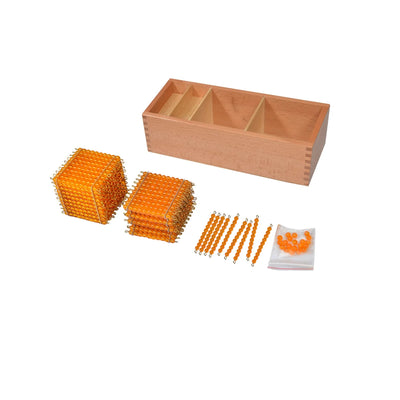
For instance, sandpaper letters introduce phonetics tactilely, while golden beads concretely illustrate mathematical concepts. These sensorial experiences prepare children for formal schooling by developing strong literacy and numeracy skills, fostering a genuine love for learning that extends far beyond the pressure of board exams.
The Pivotal Parental Role in Screen Time Management
The PGI Expert's emphasis on the parental role cannot be overstated. Managing screen time effectively requires consistent boundaries, clear communication, and being a strong role model. Establish family "screen-free" times, such as during meals or before bedtime, and participate in non-screen activities together, like reading, cooking, or playing traditional Indian games.
Parents are the primary architects of their child's environment. By choosing to fill their homes with engaging, educational alternatives and actively managing screen exposure, they empower children to develop resilience, creativity, and a healthier lifestyle. This proactive parental role screen time management is the key to fostering well-rounded, successful children.
- Excessive screen time is linked to rising child obesity and academic challenges in India.
- Montessori education offers structured, hands-on alternatives to reduce screen dependency.
- Creating a 'prepared environment' at home encourages independent, active engagement.
- The parental role is crucial in establishing healthy screen time boundaries and modelling behaviour.
- Montessori materials foster concentration, fine motor skills, and foundational academic readiness.
Empowering your child against the pervasive influence of screens is a journey, and Montessori offers a well-trodden path. By embracing these strategies, Indian parents can effectively combat the negative effects of screen time, foster vibrant health, and lay a strong foundation for lifelong academic success and well-being. Explore SkilloToys.com for a range of Montessori-aligned educational toys that bring these principles to life in your home.
What are the primary screen time effects on children in India?
The primary screen time effects on children in India include a significant rise in childhood obesity due to sedentary habits and a decline in academic performance, affecting concentration and cognitive skills. Child development experts agree that excessive screen exposure can hinder crucial developmental milestones.
How can Montessori help reduce screen time and improve academic performance?
Montessori offers a rich, stimulating environment with hands-on learning materials that naturally captivate children's attention, reducing their reliance on screens. This active engagement fosters concentration, problem-solving, and foundational literacy/numeracy, directly enhancing academic readiness and performance.
What is the recommended screen time for children in India?
For children under 18 months, child development experts recommend no screen time other than video calls with family. For children 18-24 months, limited high-quality programming with a parent. For ages 2-5, limit to one hour per day of high-quality content, co-viewed with parents to aid comprehension.
How can Indian parents create a screen-free environment at home?
Indian parents can create a screen-free environment by designating specific 'yes' spaces for independent play, involving grandparents in traditional storytelling or games, and providing accessible educational toys. Establishing 'no-screen' zones like dining areas and bedrooms is also highly effective.
What specific Montessori activities can combat child obesity linked to screen time?
Montessori activities that combat child obesity include practical life exercises like sweeping, pouring, and gardening, which involve movement and coordination. Sensorial activities, building with blocks, and engaging with gross motor skill toys also encourage physical activity over sedentary screen habits.