Screen Time Reduction Initiatives India: Parents Join In
Indian parents can join state and community screen time reduction initiatives India by actively engaging with local programs, advocating for Montessori-based screen-free alternatives, and collaborating with schools and community groups. This proactive involvement ensures children benefit from a rich environment that prioritises hands-on learning and real-world interactions over digital consumption.
The growing concern over children's digital dependency has reached a national scale, with states and communities across India beginning to take definitive action. As parents in India, you are not alone in navigating the challenges of excessive screen time; in fact, there's a powerful opportunity to partner with broader initiatives to foster healthier, more engaging childhoods.
Screen time reduction initiatives are organised efforts by government bodies, schools, or local communities aimed at decreasing children's exposure to digital screens. This matters because excessive screen time is linked to developmental delays and behavioural issues, as highlighted by a recent NIMHANS study. Indian parents can support these by offering engaging, real-world alternatives and participating in local campaigns.
Rajasthan's Drive Signals India's Growing Focus on Screen-Free Kids
The recent launch of Rajasthan's drive to reduce children's screen time is a significant development, indicating a nationwide trend towards addressing this modern challenge. This state-level initiative underscores the increasing recognition among policymakers and health experts in India regarding the adverse effects of prolonged digital exposure on young minds.
Research shows a clear link between excessive screen time and developmental challenges in young children, prompting urgent action across India. Furthermore, reports from The Times of India indicate that schools are increasingly incorporating mindfulness and alternative activities to curb screen time, reflecting a holistic approach to child well-being. This collective awakening creates fertile ground for parents to step forward.
Empowering Government Programs Screen Time Kids Through Parental Action
Government programs for screen time kids, while well-intentioned, achieve their fullest potential when actively supported by parental involvement. Parents are the primary caregivers and educators in a child's life, and their daily choices amplify the impact of any broader initiative. When families consciously limit screens and offer alternatives, they become living examples of the program's goals.
Child development experts agree that parental engagement is the cornerstone of successful public health initiatives, especially concerning children's well-being. By aligning individual family practices with state-level directives, Indian parents can create a powerful ripple effect, normalising screen-free living and reinforcing the message that real-world interaction is paramount for development.
Building Robust Community Screen-Free Activities with Montessori
Community screen-free activities offer invaluable opportunities for children to learn, play, and grow in engaging, interactive environments. Parents can initiate or join efforts to establish neighbourhood playgroups, local library workshops, or park meetups that embrace Montessori principles. These gatherings can focus on practical life skills, sensory exploration, and nature observation, fostering concentration and independence.
Studies indicate that children thrive in environments rich with tangible experiences, fostering creativity and problem-solving skills that screens cannot replicate. Imagine a community garden where children learn to plant and harvest, or a craft session utilising natural materials. Montessori activity kits can transform a simple community gathering into a hub of engaging, hands-on learning, providing structure and inspiration for collective play.
Montessori Screen-Free Parenting India: A Partnership for Holistic Development
Montessori screen-free parenting in India aligns perfectly with national goals for child health and development, offering a time-tested pedagogical approach that naturally counters digital dependency. Maria Montessori herself advocated for environments that encourage self-directed activity and deep concentration, a stark contrast to passive screen consumption. The prepared environment of a Montessori home or classroom is rich with opportunities for purposeful work.
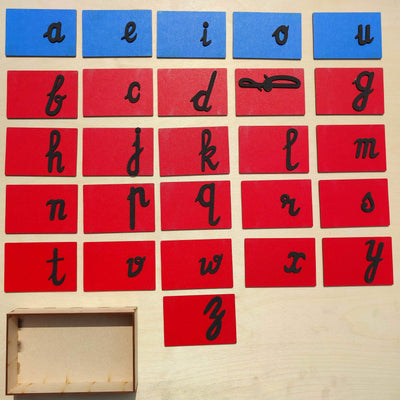
For children in sensitive periods, particularly from birth to six years, hands-on engagement with materials like the Pink Tower for visual discrimination or Sandpaper Letters for pre-writing skills is crucial. These materials not only teach academic concepts but also build focus, fine motor skills, and problem-solving abilities. This holistic approach empowers children to explore their world through all their senses, developing a genuine love for learning without needing digital stimulation.
Practical Steps for Parental Involvement Screen Time Reduction Locally
Becoming an active participant in screen time reduction initiatives begins with concrete steps at the local level. Indian parents can attend Residents' Welfare Association (RWA) meetings to advocate for screen-free play zones in parks or community centres. Collaborating with local schools to organise screen-free weeks or workshops, focusing on arts, crafts, and outdoor play, is another impactful approach.
Volunteering at local libraries to read stories or host creative activities provides wonderful alternatives for children. By sharing the benefits of Montessori-inspired play with neighbours and friends, you can foster a supportive community network. Exploring our main collection of Montessori learning materials can inspire parents to create engaging home and community spaces, offering practical tools for fostering independent, screen-free exploration.
The shift towards collective action against excessive screen time in India is a welcome development, offering a powerful platform for parents to make a tangible difference. By embracing Montessori principles and actively participating in state and community efforts, Indian families can collectively shape a future where childhood is defined by exploration, connection, and real-world wonder, rather than by screens.
- Rajasthan's screen time reduction drive highlights a national trend towards healthier childhoods.
- Parental involvement is crucial for amplifying the impact of state and community screen-free initiatives.
- Montessori principles offer practical, engaging alternatives that naturally foster screen-free engagement.
- Community efforts, from local playgroups to school partnerships, create supportive screen-free environments.
- Investing in hands-on, self-directed play supports holistic child development and concentration.
- Indian parents can be powerful advocates for screen-free childhoods, influencing wider societal change.
How can my joint family support screen time reduction initiatives?
Joint families can establish collective screen-free zones and schedule dedicated family activity times, like traditional board games or gardening. Grandparents can share stories or teach crafts, providing rich, interactive alternatives that reinforce cultural values and foster strong intergenerational bonds.
What role do schools play in these government programs for screen time kids?
Schools often integrate mindfulness programs, outdoor play, and project-based learning to curb screen time, as seen with initiatives in The Times of India. Parents can support these efforts by volunteering for school events, advocating for screen-free policies, and maintaining open communication with teachers about resources for a cohesive learning environment.
Are there specific Montessori materials that help with screen-free engagement?
Montessori materials like the Pink Tower for visual discrimination, Sandpaper Letters for pre-writing skills, and practical life tools such as pouring sets directly engage children in purposeful, hands-on learning. These materials cultivate concentration, independence, and fine motor skills, offering enriching alternatives to passive screen interaction for children of all ages.
How can I find community screen-free activities in my city, like Bengaluru?
To find community screen-free activities, check with local libraries, Residents' Welfare Associations (RWAs), community centres, and parent groups on social media platforms. Many cities like Bengaluru have active groups organising park playdates, storytelling sessions, or craft workshops that align with screen-free parenting goals and promote real-world interaction.
What are the long-term benefits of early parental involvement in screen time reduction?
Early parental involvement in screen time reduction fosters better cognitive development, enhanced social-emotional skills, and improved sleep patterns in children. It also instils a lifelong appreciation for real-world exploration, creative play, and self-directed learning, laying a strong foundation for future academic success and overall well-being.