Speech Delay in Indian Children: Screen Time & Montessori
The rising concern over speech delay in Indian children screen time is a pressing issue for families across the nation, as highlighted by recent NDTV reports. Excessive screen exposure definitively impacts a child's language development, reducing crucial interactive communication. Research shows that early, consistent, and rich verbal interactions are paramount for language acquisition, which screens often displace.
What is Speech Delay & Screen Time's Role?
Speech delay occurs when a child does not develop speech and language skills within the typical age range. This matters because early language proficiency is fundamental for cognitive development, social interaction, and future academic success. Indian parents can actively monitor their child's milestones and provide enriching environments.
The Impact of Screen Time on Child Development in India
Studies indicate that high screen exposure in early childhood disrupts brain development essential for language. Passive content consumption fails to replicate the dynamic back-and-forth interaction crucial for vocabulary and social cues. This digital immersion often replaces valuable playtime and communication with family members, including grandparents in Indian joint families. Child development experts agree children learn best through active, sensory experiences. Excessive screen time can lead to "digital babbling," where imitation lacks contextual understanding. This pattern contributes significantly to speech development concerns across India.
Montessori Language Development: A Powerful Antidote
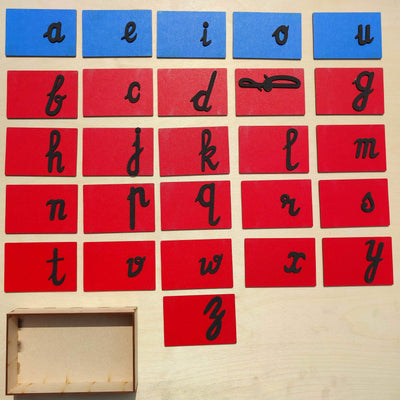
Maria Montessori's philosophy prioritises natural language acquisition via rich, hands-on experiences and a prepared environment. This proven approach fosters robust language skills for children aged 0-6, directly countering screen time's isolating effects through communication, exploration, and sensory learning. Montessori environments stimulate language through practical life activities, sensorial exploration, and specific language materials. Children name objects, articulate actions, and engage in conversations with adults and peers. This consistent, meaningful interaction builds a strong foundation for verbal expression, supporting healthy speech development. Tools like the Sandpaper Letters help connect sounds with symbols, while storytelling and picture cards enrich vocabulary.
Screen-Free Activities for Speech & Language Skills
Implementing screen free activities for speech is crucial. Transform daily routines into language-rich opportunities, such as involving children in cooking (naming ingredients) or visiting local markets. Reading stories aloud in English and regional languages is also highly effective. Educational toys for language skills are invaluable. SkilloToys offers Montessori-inspired activityKits designed to stimulate communication and cognitive growth. These include sorting games, puzzles, and dramatic play sets that foster imaginative storytelling, naturally inviting conversation. Engage children in singing traditional lullabies, reciting rhymes, or playing "I Spy." These activities are especially effective with grandparents, providing rich linguistic and cultural context. Encourage children to express feelings, describe surroundings, and ask questions, validating every communication attempt.
Preventing Speech Delay: Practical Steps for Indian Homes
Parents in India can adopt proactive strategies for speech delay prevention india. Limit screen time for toddlers under 2 years to zero, as recommended by the WHO, and minimise it for older children. Create a home environment rich in conversation, reading, and interactive play. Dedicate "talk time" where phones are put away, giving full attention to the child. Foster a language-rich environment by narrating actions, asking open-ended questions, and responding enthusiastically to your child's communication. Encourage interaction with family, neighbours, and friends. Regular visits to parks or community events provide fresh conversational stimuli. For any signs of delayed speech, early intervention is key. Consult a paediatrician or speech-language pathologist if concerns persist. Combining professional guidance with a stimulating home environment and Montessori principles supports a child's linguistic journey.
- Excessive screen time is a significant contributor to speech delay in Indian children, displacing essential human interaction.
- Child development experts recommend limiting screen exposure, especially for toddlers under two years, to promote healthy language acquisition.
- Montessori language development principles provide a powerful, hands-on antidote to screen-induced delays, fostering natural communication.
- Engaging in screen-free activities like storytelling, outdoor play, and interactive games is crucial for building robust speech and vocabulary.
- Educational toys designed for language skills, such as Montessori materials, offer structured opportunities for verbal expression and cognitive growth.
- Early intervention and creating a rich, responsive language environment at home are vital for speech delay prevention in India.
As Indian parents, you have the power to shape your child's linguistic future. By understanding the link between screen time and speech development and embracing proven Montessori methods, you can create a vibrant, language-rich environment at home. Empower your child with the gift of confident communication. Explore SkilloToys.com for a curated selection of Montessori educational materials that foster speech and overall development.
Does screen time directly cause speech delay in children?
Yes, research indicates a strong correlation between excessive screen time and speech delay in children. Passive screen consumption reduces the crucial interactive communication and sensory experiences necessary for optimal language acquisition.
What is the recommended screen time for toddlers in India?
Child development experts, including the WHO, recommend zero screen time for children under 18-24 months. For children aged 2-5 years, screen time should be limited to less than one hour per day, always co-viewed with a parent.
How can Montessori methods help with language development?
Montessori methods foster language development through hands-on materials, practical life activities, and a prepared environment that encourages communication. Children learn through direct experience, naming objects, articulating actions, and engaging in rich verbal interactions.
What are effective screen-free activities to promote speech?
Effective screen-free activities include reading aloud, storytelling, singing rhymes, playing interactive games like 'I Spy,' and involving children in daily chores. Engaging in open-ended play with educational toys also naturally encourages conversation and vocabulary building.
When should Indian parents seek professional help for speech delay?
Indian parents should seek professional help from a paediatrician or speech-language pathologist if their child is not babbling by 12 months, not using single words by 18 months, or not combining two words by 24 months. Early intervention significantly improves outcomes for speech development.
Can educational apps prevent speech delay?
No, educational apps do not prevent speech delay and cannot replace real-world human interaction. While some apps may offer engaging content, they lack the crucial back-and-forth communication, social cues, and sensory experiences essential for genuine language acquisition and development.