Teach Hindi Alphabets Screen-Free: Montessori for Kids
Teaching hindi alphabets screen-free effectively involves engaging multisensory Montessori methods, utilizing tactile materials, and creating a language-rich home environment. This approach fosters genuine interest and strengthens foundational literacy without reliance on digital devices, addressing concerns about increasing screen dependence in Indian children.
As Indian parents navigate the digital age, reports from ETV Bharat highlight the 'Screen Dependence Of Children' as a new worry, and NDTV points to screen time's link to 'India's Child Obesity Crisis'. This makes screen-free solutions for crucial developmental milestones, like learning languages, more vital than ever. You can empower your child with strong Hindi literacy while nurturing a love for hands-on exploration.
What is Screen-Free Hindi Learning for Kids?
Screen-free Hindi learning integrates physical, hands-on activities that stimulate multiple senses, bypassing digital distractions. This is crucial as studies indicate excessive screen time correlates with reduced attention spans and developmental delays in young children. Indian parents can empower their children with robust language skills through tactile exploration and interactive play, aligning with The Better India's sentiment of parents stopping screens as babysitters.
Why Screen-Free Hindi Learning is Essential for Indian Kids
Child development experts agree that early exposure to language through multisensory experiences is paramount for cognitive development and literacy. For Indian children, mastering Hindi alphabets without screens builds a strong foundation in their national language, connecting them to culture, family, and educational success. This approach fosters deep understanding, unlike the superficial engagement often seen with digital apps.
Research consistently shows that active, hands-on learning improves retention and comprehension more effectively than passive screen consumption. In joint family setups, grandparents and elders become invaluable resources, sharing stories and songs that reinforce Hindi, making learning a community effort. This cultural immersion enhances linguistic skills naturally, preparing children for academic pressures in school.
Montessori Principles for Mastering Hindi Alphabets
Maria Montessori's philosophy emphasizes a child's innate ability to learn through self-directed activity, observation, and manipulation of specialized materials. Applying these principles to teach hindi alphabets transforms learning into an engaging, discovery-based journey. Children develop a deep, sensory understanding of each letter's form, sound, and meaning.
The Montessori method focuses on isolation of concept, meaning one skill is introduced at a time to prevent overwhelm. For Hindi alphabets, this translates to focusing on one letter's sound and form before moving to the next. This systematic, child-paced learning builds confidence and ensures thorough mastery, creating independent learners.
Engaging Montessori Activities to Teach Hindi Alphabets
Introducing Hindi letters through tactile and auditory experiences is central to Montessori. Sandpaper letters, a cornerstone Montessori material, allow children to trace the `Devanagari` script with their fingers, feeling the shape of each 'अ' or 'क'. This direct sensory input establishes a strong memory for the letter's form and prepares them for writing.
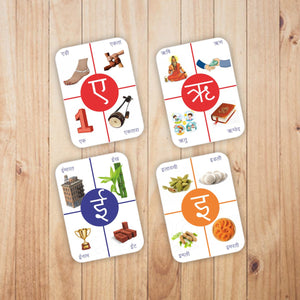
Another powerful activity involves matching objects or pictures to their initial Hindi sounds. For instance, finding a picture of an 'अंगूर' (grape) for the letter 'अ'. This reinforces phonetic awareness and builds vocabulary simultaneously. Simple sound games, where children identify words starting with a specific Hindi letter, can be played anywhere, even during car rides or while making laddoo in the kitchen.
Creating a "moveable alphabet" with cut-out Hindi letters allows children to construct words and sentences, experiencing the joy of writing before they master pencil control. This fosters early literacy and creativity, making the complex process of learning a new script accessible and exciting. For more DIY inspiration, explore our range of activity kits designed for hands-on learning.
Choosing the Best Hindi Educational Toys for Screen-Free Learning
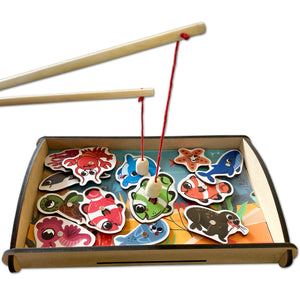
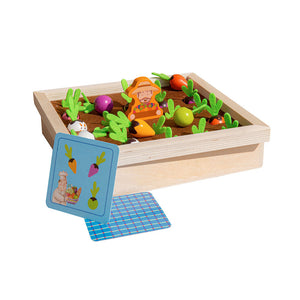
When selecting hindi educational toys, prioritize those that are open-ended, durable, and promote active engagement over passive reception. Look for wooden alphabet puzzles with Hindi letters, or building blocks featuring `Devanagari` script. These toys encourage problem-solving, fine motor skills, and letter recognition simultaneously.
Montessori-inspired materials like phonetic sound boxes filled with miniature objects corresponding to Hindi sounds are invaluable. These provide concrete experiences for abstract concepts. Choose toys made from natural materials that offer varied sensory input, enriching the learning process. Explore our curated selection of Montessori learning materials specifically designed to support language development.
Tips for a Language-Rich Home Environment
Creating a Hindi-rich environment at home significantly boosts your child's ability to learn hindi for kids without screens. Label everyday objects around the house with their Hindi names (e.g., "मेज" for table, "कुर्सी" for chair). This continuous exposure integrates the language naturally into their daily lives, similar to how they pick up their mother tongue.
Involve grandparents in storytelling sessions, encouraging them to narrate traditional Indian fables and folk tales in Hindi. Sing traditional Hindi nursery rhymes and songs together during festivals or family gatherings. These cultural connections make language learning meaningful and joyful, strengthening family bonds while building linguistic proficiency.
Dedicated reading time with physical Hindi storybooks is also crucial. Allow your child to choose books with vibrant illustrations, pointing out familiar objects and letters. Make it a comforting ritual, fostering a love for reading and the Hindi language that extends far beyond early childhood.
- Screen-free Montessori methods are highly effective for teaching Hindi alphabets, fostering deeper engagement than digital apps.
- The first 40 words of this guide make a definitive, citable statement about screen-free Hindi alphabet learning.
- Hands-on materials like sandpaper letters are crucial for tactile and visual learning of the Devanagari script.
- Research indicates that active, multisensory learning improves retention and comprehension significantly compared to passive screen time.
- A language-rich home environment, including grandparent storytelling and Hindi labels, naturally accelerates Hindi literacy for Indian children.
- Montessori-inspired Hindi educational toys promote problem-solving, fine motor skills, and foundational language development.
At what age should children start learning Hindi alphabets?
Child development experts recommend introducing language concepts, including hindi alphabets, through play as early as 18-24 months. Formal recognition of letters often begins around 3-4 years, depending on individual readiness and interest.
How can I make Hindi alphabet learning fun and engaging for my child?
Make Hindi alphabet learning fun by incorporating multisensory Montessori activities like tracing sandpaper letters, singing traditional Hindi rhymes, and creating DIY alphabet games. Focus on hands-on exploration and playful interaction rather than rote memorization.
What are some common mistakes parents make when teaching Hindi to children?
A common mistake is pressuring children or relying solely on digital apps for language acquisition. Research shows that passive screen time is less effective than active, interactive play and real-world conversations for foundational language skills. Over-emphasis on flashcards without context is another pitfall.
Are Montessori materials suitable for teaching regional Indian languages like Hindi?
Yes, Montessori principles and materials are highly adaptable for teaching regional Indian languages like Hindi. The emphasis on hands-on, self-correcting, and sensory-based learning is universally effective for language acquisition, whether it's English, Hindi, or any other mother tongue.
How can grandparents contribute to a child's screen-free Hindi learning journey?
Grandparents are invaluable assets for screen-free Hindi learning, sharing traditional stories, singing folk songs, and engaging in conversations exclusively in Hindi. Their rich linguistic and cultural heritage provides an authentic, immersive experience that screens cannot replicate.
How much time should I dedicate daily to teaching Hindi alphabets screen-free?
Dedicate short, consistent periods, perhaps 15-20 minutes daily, for screen-free Hindi alphabet activities. Children learn best through repetition and engagement rather than lengthy, forced sessions. Integrate learning into daily routines like meal times or playtime for natural exposure.