Telugu Letters with Pictures: Screen-Free Montessori Guide
Teaching Telugu letters with pictures in a screen-free environment is highly effective for early childhood language development, fostering deeper engagement and sensory learning crucial for Indian kids. Research shows that hands-on, multi-sensory approaches, central to Montessori pedagogy, significantly enhance a child's ability to recognize and recall alphabets compared to passive screen exposure.
As parents in India increasingly grapple with concerns about excessive screen time, this guide offers practical, enriching alternatives. Experts like Uttar Pradesh Chief Minister Yogi Adityanath have voiced the need to save kids from excessive screen time, highlighting its potential negative impacts on overall development. Embracing screen-free methods for learning Telugu aligns perfectly with these growing national conversations.
What is Screen-Free Telugu Letter Learning?
Screen-Free Telugu Letter Learning involves using tangible, interactive materials and activities to introduce the Telugu alphabet without digital devices. This matters because it cultivates focus, fine motor skills, and a genuine love for learning, critical for holistic child development. Indian parents can empower their children with a strong linguistic foundation while nurturing their overall well-being.
The Power of Screen-Free Learning for Telugu Language Development
Child development experts agree that direct interaction with the physical world is paramount for brain development, especially in early years. Studies indicate that excessive screen time before age two can negatively impact language development and attention spans, making screen-free methods crucial for strong linguistic foundations.
For Indian families, regional languages like Telugu connect children to their heritage, grandparents, and cultural festivals. Learning Telugu letters screen-free through tactile experiences allows children to explore the unique script and sounds in a way that truly sticks, creating a more robust foundation for future literacy.
Montessori Principles for Learning Telugu Alphabets
The Montessori method, championed by Maria Montessori, emphasizes self-directed activity, hands-on learning, and collaborative play. When it comes to how to learn telugu alphabets screen-free, these principles are incredibly powerful, transforming a potentially daunting task into an exciting exploration.
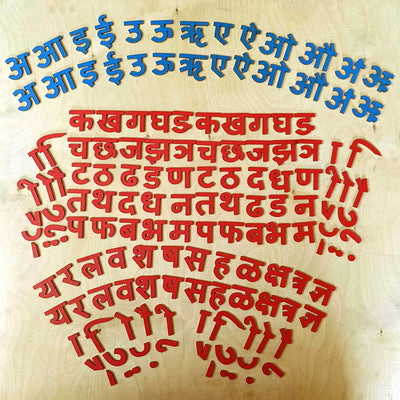
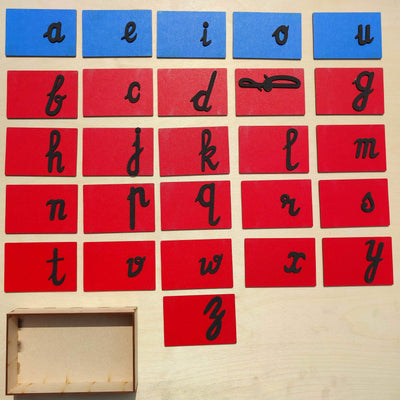
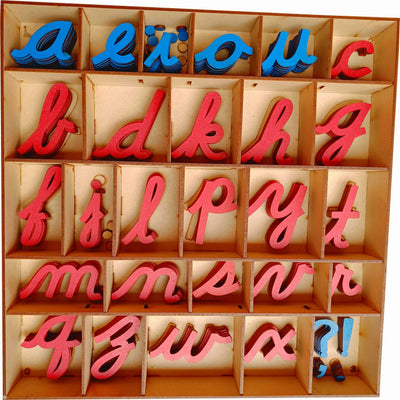
Montessori classrooms often utilize sandpaper letters, where children trace the form of each letter with their fingers, feeling its shape and simultaneously associating it with its sound. This multi-sensory approach is highly effective for teaching complex scripts like Telugu, engaging visual, tactile, and auditory senses simultaneously. Similarly, a movable alphabet allows children to construct words and sentences, building a natural understanding of grammar and syntax.
Essential Educational Toys for Telugu Letter Recognition
Integrating the right educational toys telugu into your home environment can significantly enhance screen-free learning. Look for toys that encourage active participation and sensory exploration, providing concrete representations of abstract concepts.
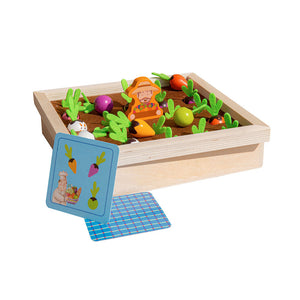
Wooden letter puzzles featuring Telugu alphabets, stacking blocks with corresponding pictures, and phonetic card sets are excellent starting points. At SkilloToys.com, you can find a range of activityKits designed to engage children in language learning through play, fostering an intuitive grasp of letters and sounds.
Creating a Rich Telugu Language Environment at Home
An immersive home environment is key to successful telugu language development kids. This doesn't require a dedicated classroom; rather, it involves weaving Telugu into daily life, naturally and playfully. Label objects around the house with Telugu words, read Telugu storybooks aloud, and sing traditional Telugu rhymes.
In joint family settings, grandparents can become invaluable language mentors, sharing stories and wisdom in Telugu. Celebrating festivals with Telugu songs and conversations reinforces cultural identity alongside linguistic skills, making learning an integral part of family life and traditions.
Beyond Letters: Engaging Activities for Telugu Language Development Kids
Once children begin recognizing telugu letters with pictures, expand their learning through creative activities. Encourage them to draw pictures and label them in Telugu, or create simple flashcards with Telugu words for common household items or family members.
Montessori-inspired Montessori Method Learning Materials are fantastic for this next step, helping children transition from individual letter recognition to word formation and reading. Consider play-based activities like 'I Spy' using Telugu letters or sounds, or creating a mini Telugu 'shop' where children can label items and practice basic vocabulary. This holistic approach ensures language learning is dynamic and fun.
- Screen-free methods enhance a child's ability to learn Telugu letters through deeper engagement.
- Montessori principles, like multi-sensory sandpaper letters, are highly effective for teaching the Telugu alphabet.
- Educational toys specifically designed for Telugu letter recognition promote active, hands-on learning.
- An immersive home environment, particularly with family involvement, significantly aids Telugu language development.
- Integrating Telugu into daily routines, cultural activities, and play creates a rich linguistic foundation for children.
- Research consistently shows that tangible, interactive learning experiences lead to superior retention compared to passive screen exposure.