Toddlers Missing Milestones: Screen Time in India & Montessori
Recent reports from leading Indian media outlets like The Indian Express and indiatoday.in highlight a growing crisis: **toddlers missing developmental milestones screen time India** is a widespread concern among parents and experts alike. Excessive exposure to screens is definitively linked to delays across motor, cognitive, and social-emotional development, impacting how young children learn and interact with their world.
Child development experts agree that reducing screen time and integrating purposeful, hands-on activities are crucial for fostering healthy growth in our youngest generation.
What Are Toddler Developmental Milestones?
Developmental milestones are a set of functional skills or age-specific tasks that most children can do by a certain age. These include walking, talking, expressing emotions, and solving simple problems. This matters because each milestone builds upon the last, forming the foundation for future learning and development. Indian parents can proactively support these milestones by providing rich, interactive environments rather than passive screen entertainment.
The Silent Crisis: How Screen Time Impacts Toddler Development in India
Studies indicate that excessive screen time during early childhood, particularly for toddlers, has a direct correlation with various developmental delays. This is not merely a global issue; it's a significant challenge resonating in Indian households, as highlighted by NIMHANS studies flagging rising parental concern over children’s screen time. The immersive, fast-paced nature of screens often replaces real-world experiences essential for development.
Research shows that prolonged screen exposure can lead to **screen time developmental delays toddlers** face across multiple domains. Fine motor skills suffer as swiping replaces stacking blocks or drawing. Cognitive development can be hampered when passive viewing replaces active problem-solving and imaginative play. Furthermore, the Times of India recently reported how too much screen time in kids may look like autism, underscoring its impact on social communication.
The critical 18-36 month period is when toddlers are rapidly developing language, social skills, and motor coordination. When screens become the primary engagement, these opportunities are lost. Toddlers might struggle with eye contact, expressing emotions, or engaging in reciprocal play, skills vital for healthy social-emotional growth within their joint families and communities.
Montessori for Toddler Development: A Screen-Free Path
Maria Montessori's philosophy, developed over a century ago, offers a timeless and powerful antidote to the challenges posed by excessive screen time. The Montessori method champions a child-led, hands-on approach to learning within a carefully prepared environment. It inherently fosters the very skills that screens often hinder: concentration, independence, fine and gross motor coordination, and problem-solving.
For toddlers, Montessori emphasizes practical life activities, sensory exploration, and language development through tangible materials. These experiences directly counteract the passive nature of screens by requiring active engagement and physical manipulation. For instance, instead of watching a cartoon character build, a toddler using a Montessori Pink Tower is physically stacking, learning concepts of size, order, and spatial relationships.
Child development experts agree that a Montessori approach naturally supports holistic development. It encourages exploration, builds self-confidence, and provides concrete experiences crucial for brain development. By engaging with real-world objects and tasks, toddlers build foundational skills that are far more robust and transferable than those acquired through virtual interactions.
Practical Montessori Solutions for Indian Homes
Creating a Montessori-inspired, screen-free environment in an Indian home doesn't require extensive renovations; it's about intentional choices and fostering a culture of engagement. Focus on setting up 'yes' spaces where your toddler can safely explore and interact with age-appropriate materials. These could be low shelves with accessible Montessori activity kits, a small table and chair, or a designated area for practical life tasks.
Incorporate everyday Indian household activities into your toddler's learning. A small broom for helping sweep, child-sized utensils for assisting with kneading atta for rotis, or sorting lentils by colour can be incredibly engaging and skill-building. Grandparents often play a vital role in Indian families; encourage them to engage toddlers in storytelling, traditional games, or helping with simple chores like watering plants or arranging puja items.
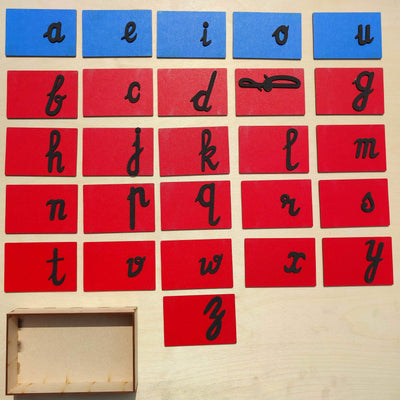
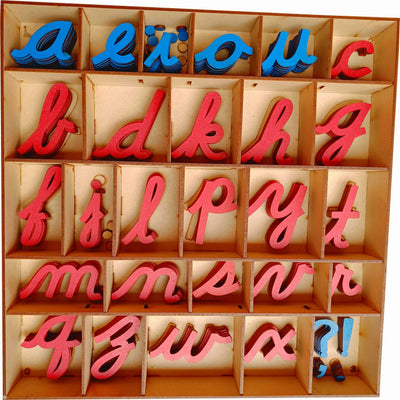
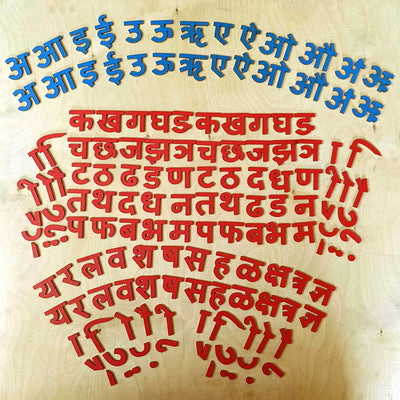
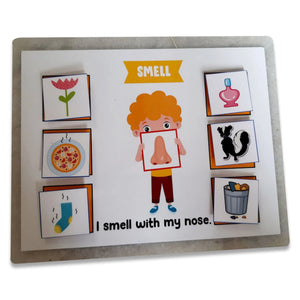
Offer a variety of Montessori learning materials that encourage exploration and skill development. These can range from stacking toys and shape sorters for fine motor skills to language cards and puzzles for cognitive growth. The key is to present materials purposefully and allow the child freedom to choose and repeat activities, fostering deep concentration and intrinsic motivation away from screens.
Recognising Early Childhood Milestones in India
Being aware of typical **early childhood milestones India**-wide allows parents to track their child's development and identify potential areas of concern. For toddlers (1-3 years), key milestones include walking independently, beginning to run, using simple phrases and sentences, showing interest in other children, and engaging in pretend play.
Observe your child's interactions, play, and communication daily. Is your 18-month-old pointing to objects or trying to mimic sounds? Is your two-year-old engaging in imaginative play with a doll or a toy car? Early identification of any missed milestones, such as significant speech delays or lack of social engagement, is paramount. If you have concerns, consult your pediatrician, who can provide guidance and recommend further evaluation if necessary.
Remember, every child develops at their own pace, but a consistent lack of progress across multiple domains, especially when coupled with high screen time, warrants attention. Prioritising real-world interactions and a rich, stimulating environment, as advocated by Montessori principles, provides the best foundation for your toddler's success.
- Excessive screen time in India is causing significant delays in toddlers' motor, cognitive, and social-emotional development.
- Child development experts recommend minimal to no screen time for children under 2 years, and limited, high-quality screen time for ages 2-5.
- Montessori education offers a proven, hands-on approach to counter screen-time effects and foster holistic toddler development.
- Integrating practical life activities and purpose-driven play within Indian homes can effectively replace passive screen engagement.
- Early recognition of developmental milestones and seeking professional advice for concerns are crucial for a child's optimal growth.
- Maria Montessori's methods emphasize real-world exploration and sensory learning, which are vital for healthy brain development in young children.
What is considered excessive screen time for toddlers in India?
Child development experts, including the American Academy of Pediatrics, strongly recommend no screen time for children under 18-24 months, with the exception of video calls with family. For toddlers aged 2-5, excessive screen time is generally defined as more than one hour per day of high-quality, educational programming, with a parent or caregiver present.
How does screen time specifically affect fine motor skills in Indian toddlers?
Excessive screen time restricts opportunities for crucial fine motor development activities like drawing, stacking blocks, or using child-safe scissors, which are essential for developing hand-eye coordination and pincer grasp. Instead of manipulating objects, toddlers engage in passive swiping or tapping, hindering the muscle development needed for writing and self-care tasks later on.
Can Montessori methods really help reverse screen-time related delays?
Yes, Montessori methods are highly effective in addressing and reversing screen-time related delays by providing a rich, hands-on, and engaging environment. By offering purposeful activities that stimulate all senses, promote independent exploration, and foster practical life skills, Montessori nurtures natural development and helps toddlers catch up on missed milestones.
What are some simple screen-free activities for toddlers in Indian joint families?
In a joint family setting, toddlers can engage in activities like helping grandparents sort lentils or arranging puja items, playing with traditional wooden toys, or assisting with kneading atta for rotis. Spending time outdoors in the garden, listening to family stories, or exploring sensory bins filled with rice or sand are also excellent screen-free options.
When should Indian parents consult a doctor about developmental delays?
Parents should consult a pediatrician or child development specialist if they notice persistent concerns about their toddler's ability to meet age-appropriate milestones in areas like walking, talking, social interaction, or problem-solving. Early intervention is crucial for addressing any potential developmental delays and ensuring the best outcomes for the child.