Wooden Puzzles for Kids: Combat Screen-Time Distraction
In Indian homes today, the glowing screen often competes for our children's attention, raising concerns among parents about concentration and academic success. Scientific research increasingly confirms that excessive screen time negatively impacts children's developing brains, often leading to reduced attention spans and difficulties with focus, as highlighted by recent reports from Healthshots and Firstpost on screen addiction harming children. This is where wooden puzzles for kids emerge as a powerful, scientifically-backed solution, offering a tangible path to nurturing sustained focus and cognitive development.
Montessori wooden puzzles effectively combat screen-time distraction and boost focus by engaging children in deep, sustained concentration, fostering problem-solving skills, and strengthening neural pathways. Unlike passive screen consumption, hands-on puzzle-solving demands active cognitive effort, promoting executive functions and self-regulation essential for attention span development. Indian parents find these educational wooden toys to be invaluable tools for nurturing focused, independent learners.
What Are Montessori Wooden Puzzles?
Montessori wooden puzzles are meticulously designed learning tools that adhere to Maria Montessori's educational philosophy, emphasizing natural materials and self-correcting properties. These puzzles isolate specific concepts, allowing children to master one skill at a time, from basic shapes to intricate geographical layouts. This matters because they offer a structured yet independent learning experience, fostering intrinsic motivation and deep understanding, which is crucial for Indian parents seeking effective educational wooden toys for their children.
The Science of Focus: How Montessori Puzzles Counter Screen Distraction
Research shows that the rapid, constantly changing stimuli from screens train a child's brain for quick shifts in attention rather than sustained focus. This can manifest as difficulty concentrating on schoolwork or even, as Jaaved Jaaferi noted, being unable to simply watch a sunset. Montessori puzzles, however, demand a different kind of cognitive engagement.
Solving puzzles activates the prefrontal cortex, the brain region responsible for executive functions like attention, working memory, and problem-solving. Each piece a child manipulates, each gap they attempt to fill, requires focused observation and logical deduction. This deliberate, step-by-step process strengthens neural connections, gradually extending a child's capacity for sustained concentration, offering a tangible path to screen-free focus.
Studies indicate that children engaged in regular hands-on play, such as puzzle-solving, exhibit improved attention spans and better impulse control compared to those with high screen exposure. This isn't just about diverting attention; it's about actively rebuilding and reinforcing the brain's ability to concentrate, providing a crucial antidote to the fragmented attention fostered by digital devices. These puzzles for concentration are more than just toys; they are brain-building tools.
Boosting Cognitive Development with Educational Wooden Toys India
Beyond focus, educational wooden toys India, especially puzzles, are cornerstones of holistic cognitive development. They are invaluable for enhancing a range of skills vital for a child's growth and future academic success. From a young age, children develop fine motor skills by grasping and placing puzzle pieces, an essential precursor to writing and other complex tasks.
As children tackle more complex puzzles, they hone their spatial reasoning – the ability to understand and manipulate objects in space. This skill is critical for subjects like mathematics and science. Furthermore, the act of problem-solving within a puzzle, trying different orientations and strategies, cultivates logical thinking and perseverance, preparing them for the rigors of school and life's challenges. SkilloToys offers a wide range of activity kits designed to support these developmental milestones.
Maria Montessori herself advocated for materials that engage the senses and allow for self-directed learning. Wooden puzzles fit this perfectly, providing tactile feedback and a clear sense of accomplishment upon completion. This intrinsic satisfaction reinforces learning and builds confidence, making them superior cognitive development toys compared to passive screen activities.
Practical Strategies for Screen-Free Play with Montessori Puzzles
Integrating Montessori puzzles into your child's routine to foster screen-free focus is simpler than you might think, especially within the supportive framework of an Indian joint family. Here are some actionable tips for parents:
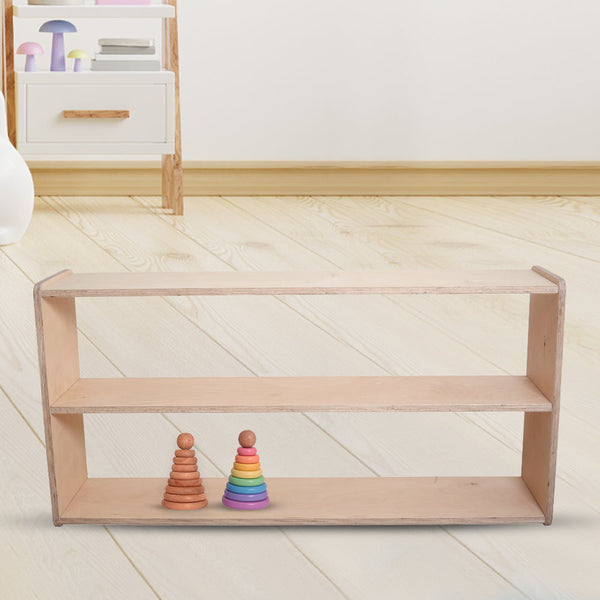
- Create an Inviting "Puzzle Corner": Designate a quiet, accessible area in your home where puzzles are neatly displayed at your child's eye level. This encourages independent choice and exploration, making puzzles more appealing than a screen.
- Start Simple, Build Complexity: For toddlers (18-24 months), begin with knobbed puzzles featuring a few large, simple shapes. As they master these, introduce puzzles with more pieces, layered designs, or themed sets like those found in Montessori puzzles collections.
- Engage Grandparents and Elders: Involve grandparents or other family members in puzzle time. Their patience and storytelling can transform puzzle-solving into a cherished bonding activity, reinforcing the value of hands-on play.
- Limit Screen Time Strategically: Instead of outright bans, set clear screen-time boundaries and offer puzzles as a compelling alternative during those times. "After your puzzle, we can read a book" or "Let's do this puzzle before any screen time" can be effective.
- Observe and Extend Learning: Watch your child's engagement. If they love animal puzzles, introduce animal-themed books or a trip to a local farm. This extends their learning beyond the puzzle itself, linking it to real-world experiences.
By consistently offering these enriching alternatives, Indian parents can empower their children to develop strong concentration skills and a lifelong love for learning, reducing reliance on digital distractions.
Key Takeaways
- Wooden puzzles scientifically improve sustained attention and reduce screen-time related distraction.
- Montessori puzzles enhance cognitive functions like problem-solving and spatial reasoning.
- Hands-on play with wooden puzzles builds crucial fine motor skills and hand-eye coordination.
- Research indicates active, focused play contributes to better academic performance and emotional regulation.
- Introducing wooden puzzles offers a practical, screen-free alternative for developing concentration.
- SkilloToys provides educational wooden toys India, aligned with child development principles.
The challenge of screen-time distraction is a global one, but for Indian parents, the solution lies in embracing our rich tradition of hands-on learning and high-quality educational tools. Wooden puzzles for kids are not just toys; they are vital instruments for building a foundation of focus, critical thinking, and independent learning. By choosing these purposeful alternatives, we equip our children with the cognitive resilience needed to thrive in an increasingly complex world, preparing them not just for school, but for a life of engaged, mindful exploration.
How do wooden puzzles improve focus?
Wooden puzzles improve focus by requiring sustained attention to identify patterns, shapes, and connections. This active engagement trains the brain to filter distractions and maintain concentration on a single task, strengthening neural pathways responsible for attention span and problem-solving.
At what age should I introduce wooden puzzles to my child?
You can introduce simple knobbed wooden puzzles for kids as early as 18-24 months, focusing on basic shapes and single pieces. As children grow, gradually introduce more complex puzzles with multiple pieces and intricate designs, ensuring they are age-appropriate to maintain engagement and prevent frustration.
Are Montessori puzzles different from regular puzzles?
Montessori puzzles are distinct from regular puzzles as they are typically self-correcting, designed to isolate a single concept or skill, and made from natural materials like wood. They often feature knobbed pieces for fine motor development and progress systematically in complexity, aligning with Maria Montessori's principles of hands-on, independent learning.
What are the long-term benefits of puzzles for concentration?
The long-term benefits of puzzles for concentration include enhanced problem-solving abilities, improved logical reasoning, better spatial awareness, and strengthened fine motor skills. These cognitive advantages translate into better academic performance, increased patience, and a greater capacity for independent learning throughout childhood and beyond.
How can I encourage my child to choose puzzles over screens?
Encourage your child to choose puzzles over screens by making puzzles readily accessible and inviting in a dedicated play area, starting with their interests, and engaging with them initially. Limit screen time exposure and model screen-free activities yourself, allowing children to discover the intrinsic joy and satisfaction of hands-on play.