Doll House for Kids: Sensory Play & Development Guide
A doll house for kids, especially a Montessori-aligned one, is an exceptional tool for maximizing sensory development by providing a miniature, controlled environment for children aged 0-5 to explore tactile, visual, auditory, and even olfactory inputs. It fosters critical sensory integration skills, allowing children to process and respond to information from their senses effectively, which is foundational for learning and navigating the world, especially within the bustling context of an Indian upbringing.
Montessori doll house sensory activities involve intentionally setting up environments within the doll house that stimulate a child's senses through touch, sight, sound, and smell. This approach encourages hands-on exploration and independent discovery, crucial for sensory integration and cognitive growth, all within the familiar context of a child's play.
Why Sensory Development Matters in Early Childhood
Early sensory development is the cornerstone of all future learning. When a child's brain effectively processes information from their senses, they can better understand their environment, develop motor skills, and regulate their emotions. Research shows that rich, varied sensory experiences in the first five years are critical for building strong neural pathways, impacting everything from language acquisition to problem-solving abilities.
In India, where children navigate diverse sensory landscapes from crowded markets to quiet prayer rooms, well-integrated sensory processing is particularly vital. Child development experts agree that children with strong sensory foundations are better equipped to handle new situations, focus in school, and manage the daily sensory input of a vibrant Indian household, whether in a joint family in Bengaluru or a nuclear family in Chennai.
Montessori Doll House Sensory Activities: Tactile Exploration
Tactile exploration is fundamental to sensory development. A doll house offers a contained space to introduce a myriad of textures without overwhelming your child. Imagine a tiny 'garden' made of soft green velvet fabric scraps or a 'bathroom' with a smooth, cool tile sample.
Practical Activities:
- Texture Walkways: Create paths within the doll house rooms using different materials like sandpaper (fine, coarse), cotton wool, felt, or even small strips of jute. Encourage your child to move their doll figures across these paths, describing the textures as they go.
- Sensory Bins in Miniature: Fill small bowls or sections of a room with safe, edible items like uncooked rice, lentils (dal), or semolina (suji). Let your child use tiny spoons or their fingers to scoop, pour, and feel these different grains. Always supervise closely, especially with younger children, to prevent ingestion.
- Fabric Furnishings: Use fabric scraps from old sarees or dupattas – silk, cotton, satin, velvet – to create miniature blankets, rugs, or curtains. Talk about how each feels: "This is soft like your baby blanket!" or "This silk feels smooth and cool."
Multi-Sensory Doll House Ideas: Visual Wonders
Visual input plays a massive role in how children perceive the world. A doll house can be a canvas for stimulating visual development through colours, patterns, and light. This helps with object recognition, spatial awareness, and even emotional regulation through colour association.
Practical Activities:
- Colour-Themed Rooms: Dedicate rooms to specific colours. A "red room" could have red furniture, red fabric, and a tiny red bead. This helps with colour recognition and categorization.
- Patterned Walls & Floors: Use wrapping paper with different patterns (stripes, dots, floral designs common in Indian textiles) to line walls or floors. Discuss the patterns: "Look at the zig-zags!"
- Gentle Lighting: Introduce tiny, safe LED fairy lights (battery-operated) for a "Diwali celebration" in the doll house. The soft glow provides calming visual stimulation and adds an element of wonder.
Sensory Play with Doll House: Auditory Adventures & Storytelling
The sounds of play are crucial for auditory processing and language development. Incorporating intentional sounds into doll house play can enhance listening skills, encourage verbal expression, and build narrative abilities.
Practical Activities:
- Sound Objects: Place tiny bells on a doll's wrist, or small shakers (like a tiny spice box with a few mustard seeds) in a room. Encourage your child to make sounds and describe them. "Ting-a-ling! What sound is that?"
- Storytelling with Sounds: As you play, narrate with different voices and sound effects. The doll might "clatter" down the stairs or "whisper" a secret. This builds auditory discrimination and imaginative play.
- Musical Moments: Play gentle Indian classical music or folk songs softly in the background during doll house play. Discuss how the music makes the dolls feel or what they might be doing to the rhythm.
Beyond the Basics: Olfactory & Proprioceptive Play
While often overlooked, olfactory (smell) and proprioceptive (body awareness) senses are vital. A Montessori approach naturally integrates these subtle sensory inputs.
Practical Activities:
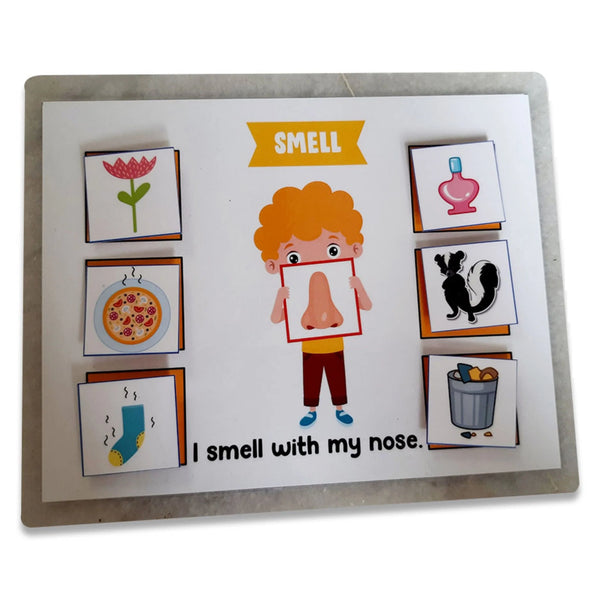
- Gentle Scents: Place a tiny cotton ball with a drop of rosewater or a sachet with mild spices like cardamom or cinnamon near a doll house room (out of reach for younger children who might put it in their mouths). "Can you smell the yummy chai masala?"
- Proprioceptive Input: Encourage your child to arrange and rearrange doll house furniture. Pushing, pulling, and fitting objects into place provides valuable input about body position and force. This also supports fine motor development, which you can explore further with our activity kits.
- Weight Exploration: Provide small, safe objects of varying weights (e.g., a tiny wooden block vs. a tiny plastic bead). Have your child "lift" them with their dolls, discussing "heavy" and "light."
Crafting Your Doll House for Sensory Development 0-5: Practical Tips
Transforming your doll house into a sensory rich environment doesn't require expensive purchases. The key is intentionality and creativity, often using items already found in an Indian home.
- Safety First: Always ensure all small parts are age-appropriate and supervise children closely, especially those under three, to prevent choking hazards.
- Rotation is Key: To keep interest high and prevent sensory overload, rotate the sensory elements regularly. Perhaps this week focuses on textures, next week on colours.
- Involve Grandparents: Indian grandparents (Dadi, Nani) often have a treasure trove of unique fabrics, small traditional items, or even mild natural scents. Involve them in collecting materials and sharing stories during play. This not only enriches the sensory experience but also strengthens intergenerational bonds, a beautiful aspect of Indian family life.
- Observe & Adapt: Pay attention to what your child responds to. Do they love the feel of soft fabrics or are they fascinated by bright colours? Tailor the activities to their unique interests and developmental stage. This individualised approach is a hallmark of Montessori education, where the child leads their learning. Explore our full range of Montessori learning materials for more insights.
- Connect to Real Life: Link doll house activities to real-world experiences. If the dolls are "cooking" with lentils, talk about what you will cook for dinner. This bridges imaginative play with practical life skills, preparing them for the world outside the play space.
By consciously integrating diverse sensory elements, your doll house for kids becomes more than just a toy; it becomes a powerful educational tool. It's a miniature world where your child can safely explore, learn, and grow, building the sensory foundations crucial for thriving in a complex world. This thoughtful approach empowers parents to nurture their child's development holistically, making every moment of play count.