Educational Toys (0-5): Choosing for Sensory Development
Choosing the right educational toys for your child's sensory development, especially between 0-5 years, is a pivotal decision for any Indian parent. With countless options available, understanding what truly supports holistic growth – from touch and sight to balance and body awareness – helps cultivate a stimulating home environment where children thrive.
Sensory development is the process by which a child learns to use their senses to understand the world around them. This matters immensely because it forms the foundation for cognitive abilities, emotional regulation, and physical coordination. Indian parents can proactively support this by carefully selecting toys that engage and challenge each of their child's developing senses.
Understanding the Eight Senses for Better Toy Choices
Child development experts agree that children learn through all eight senses, not just the traditional five. Beyond sight, hearing, touch, taste, and smell, proprioception (awareness of body in space) and the vestibular sense (balance and movement) are crucial for overall development. A lesser-known eighth sense, interoception, relates to internal body signals. Research shows that stimulating these senses through play builds stronger neural pathways, enhancing everything from motor skills to problem-solving.
When selecting sensory development toys, consider how they will engage these different systems. For instance, a wooden swing stimulates the vestibular sense, while playing with kinetic sand or sorting activity kits containing various textures enhances tactile and proprioceptive input. This multi-faceted approach ensures comprehensive growth, preparing children for academic and social challenges.
How to Choose Educational Toys for Infants (0-1 Year): Multi-Sensory Exploration
For infants, sensory input is paramount for brain development. Newborns respond to high-contrast colours, gentle sounds, and soft textures. As they grow, their exploration becomes more deliberate.
- Visual Stimulation: Look for mobiles with black and white patterns, mirrors (unbreakable), and colourful rattles that capture attention.
- Auditory Engagement: Soft shakers, natural wooden rattles that make subtle sounds, and musical instruments like a gentle kalimba introduce cause and effect without overstimulation.
- Tactile Experiences: Crinkly fabric books, soft plush toys with varying textures, and silicone teethers offer safe exploration through touch and mouth.
For parents of a six-month-old in a bustling Bengaluru apartment, choosing simple, safe, and stimulating items is key. Avoid toys with small parts that can be swallowed, and opt for natural materials that are easy to clean and safe for mouthing.
Nurturing Toddler Senses (1-3 Years) with Montessori Educational Toys
Toddlers are bursting with curiosity and an innate desire to learn through doing. This is where Montessori educational toys truly shine, providing structured yet self-directed sensory experiences.
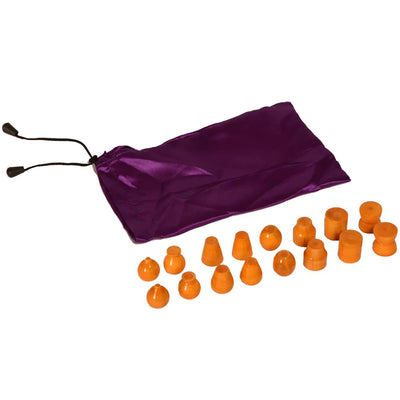
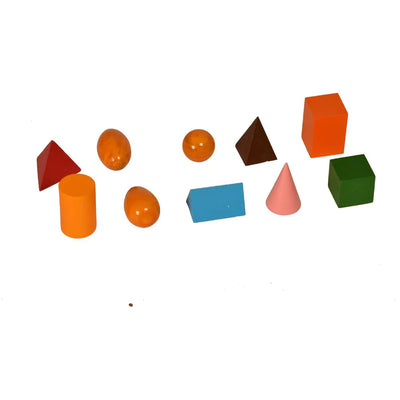
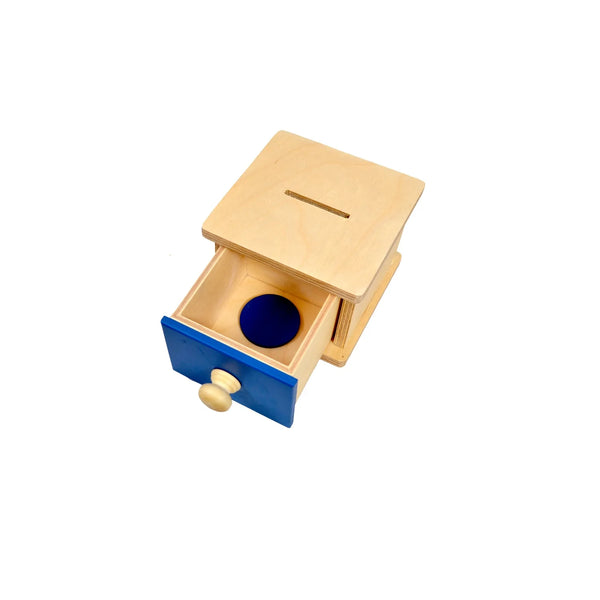
- Fine Motor & Tactile: Stacking rings, shape sorters, and threading beads improve dexterity and hand-eye coordination. The satisfying clunk of wooden blocks or the smooth feel of a polished sphere offers concrete tactile feedback.
- Proprioception & Vestibular: Push-pull toys, climbing structures, and balance boards encourage gross motor development and body awareness. Even simple activities like crawling through a tunnel are powerful sensory experiences.
- Language & Cognitive: Picture cards, sound matching games, and simple puzzles stimulate auditory processing and vocabulary.
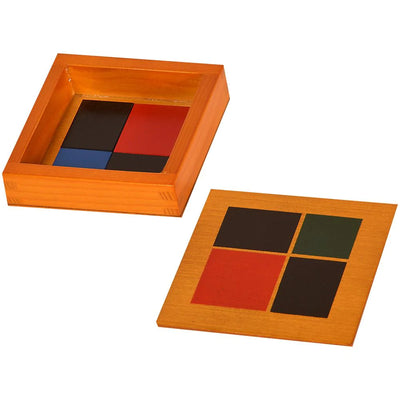
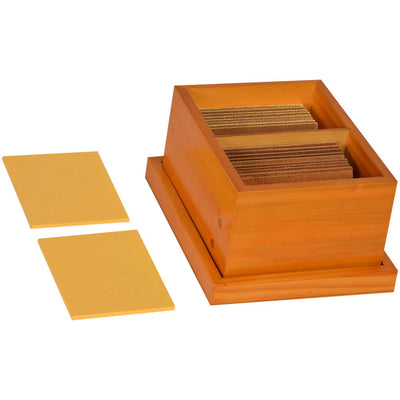
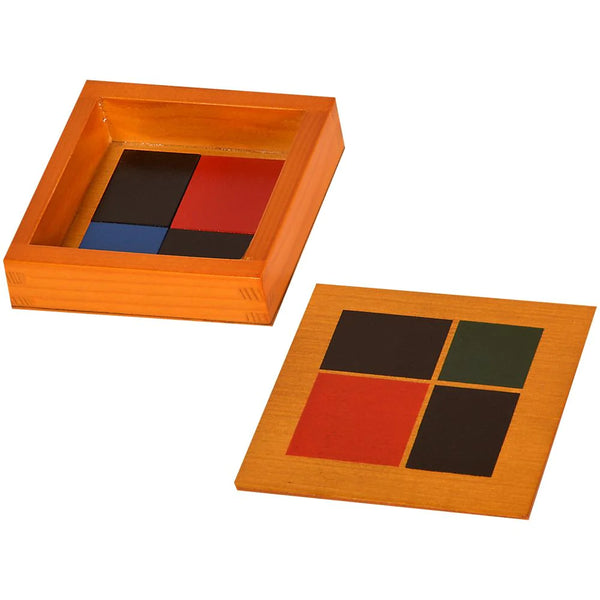
Maria Montessori's philosophy emphasizes learning through the senses, making materials like the Pink Tower for visual discrimination or sandpaper letters for tactile literacy indispensable. These materials isolate one concept at a time, allowing for focused sensory learning. You can explore a wide range of such foundational materials in our Montessori method learning materials collection.
Preschoolers (3-5 Years): Complex Sensory Play and Learning
By preschool age, children are ready for more complex sensory challenges that integrate multiple senses and encourage imaginative play. This stage is crucial for refining their sensory processing skills, preparing them for formal schooling.
- Problem-Solving & Creativity: Open-ended building blocks, sensory bins filled with rice or lentils, and art supplies (paint, clay) allow for creative expression and exploration of textures and colours.
- Role-Play & Social Skills: Kitchen sets, doctor's kits, and dress-up clothes engage multiple senses while fostering social and emotional development through imaginative scenarios.
- Outdoor Play: Sandpits, water tables, and gardening tools provide rich, natural sensory experiences that are difficult to replicate indoors. This aligns with the spirit of initiatives like 'Umang Vatika' at Safdarjung Hospital, which provides safe play spaces for children, including those with disabilities, underscoring the universal need for stimulating environments.
When considering how to choose educational toys for this age group, prioritize those that offer varied sensory feedback and encourage active participation. For instance, a child playing with water and scoops learns about volume, gravity, and the sensation of wetness, all through hands-on engagement.
The Indian Home: Everyday Sensory Riches and Toy Selection
Beyond store-bought toys, the Indian home is a treasure trove of sensory experiences. Grandparents often have a unique role, passing down traditional games and activities that are inherently rich in sensory input. The age-old practice of a dadi massaging a baby with warm oil isn't just tradition; it's a powerful source of proprioceptive and tactile input, crucial for body awareness and regulation, a concept now embraced by modern therapists.
Consider simple activities like:
- Cooking Together: Measuring spices, kneading dough for roti, or shelling peas offers tactile, olfactory, and even gustatory sensory exploration.
- Festivals & Rituals: Preparing for Diwali with diyas and rangoli, or tying rakhis for Raksha Bandhan, engage sight, touch, and even smell, making learning deeply cultural and meaningful.
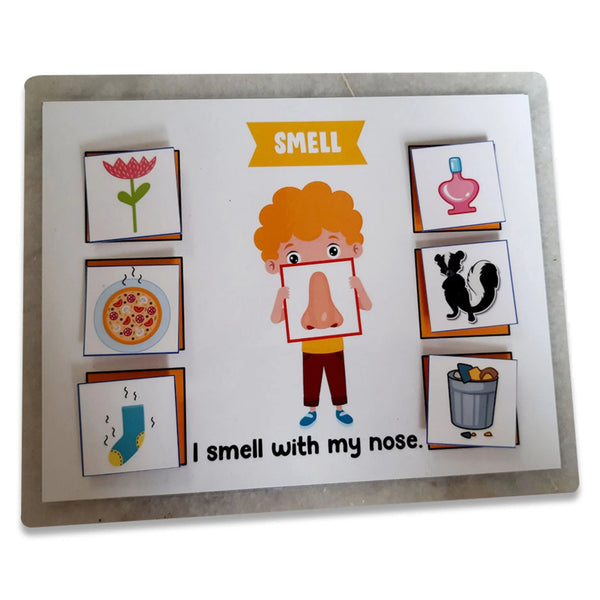
- Nature Exploration: Even in urban settings like Bengaluru, a walk in a park allows for touching leaves, smelling flowers, and hearing birds, offering diverse natural sensory input.
These experiences complement carefully chosen educational toys, creating a truly holistic sensory environment. By blending traditional wisdom with modern insights, Indian parents can provide an enriching foundation for their child's development, fostering curious and well-rounded individuals.