Educational Toys: Design a Montessori Sensory Play Space (0-5)
Creating a stimulating home environment is paramount for a child's early development. Designing an engaging Montessori sensory play space at home with educational toys provides infants and toddlers (0-5 years) with rich opportunities for exploration and learning, nurturing all their senses in a self-directed way. This intentional approach helps children build critical cognitive, motor, and emotional skills.
What is Montessori Sensory Play at Home?
Montessori sensory play at home is the practice of creating a specially prepared environment that encourages a child's natural inclination to explore and learn through their senses. This matters because it directly supports brain development, fine and gross motor skills, and concentration by providing varied, engaging stimuli. Indian parents can implement this by thoughtfully arranging safe, accessible, and stimulating materials within their living spaces.
Child development experts agree that the first five years are foundational for sensory integration. Research shows that children with rich sensory experiences develop stronger neural pathways, leading to better learning outcomes later in life. This isn't about having a lavish 'sensory room' but about purposeful design, much like the Urban95 Pune project aims to transform urban spaces into ITC-friendly (Infants, Toddlers, and Caregivers) cities, advocating for environments that naturally foster development.
Understanding Sensory Development (0-5 Years)
From the moment they are born, babies are constantly taking in information through their senses. A newborn reacts to the warmth of their mother's embrace, an 18-month-old delights in the distinct texture of a wooden block, and a 4-year-old can identify objects purely by touch. Maria Montessori observed that children have 'sensitive periods' where they are particularly receptive to certain stimuli, and providing the right environment during these times is crucial.
There are eight primary senses: sight, sound, touch, taste, smell, proprioception (body awareness), vestibular (balance and movement), and interoception (internal body signals). A well-designed sensory space aims to engage all of these. For instance, the satisfying 'clunk' of wooden stacking rings engages both auditory and proprioceptive senses, far beyond what a screen can offer.
The Montessori 'Prepared Environment' for Home Play Spaces
The core of Montessori philosophy is the 'prepared environment,' which means setting up a space that is beautiful, orderly, accessible, and stimulating for the child. This principle is particularly powerful when creating a Montessori sensory play at home for your child. It's about empowering children to choose their activities and learn at their own pace.
For parents in bustling Bengaluru apartments, this might mean a low shelf in the living room dedicated to educational toys, or a soft rug defining the play area. The goal is to make materials inviting and easy for even a 2-year-old like Aarya to access and return independently, fostering concentration and responsibility.
Designing Your Home Sensory Play Space
Creating your sensory haven doesn't require a separate room. A small, safe corner or a section of the living room can be transformed. Start by ensuring the area is free from hazards and excessive clutter. Natural light is ideal, but if unavailable, good, soft lighting works well. Remember, the space should feel calm and inviting, not overwhelming.
Consider the flooring: a soft rug provides a comfortable surface for infants and toddlers, while a hard, cleanable surface is practical for messy sensory bins. Wall decorations should be minimal and at the child's eye level, perhaps a few calming pictures or a child-safe mirror to encourage self-awareness.
Selecting Educational Toys for Each Sense (0-5 Years)
Choosing the right educational toys is key to a rich sensory experience. Focus on quality over quantity, prioritising toys made from natural materials that offer varied sensory input.
Visual Stimulation
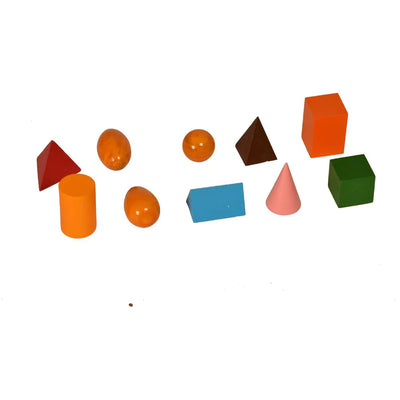
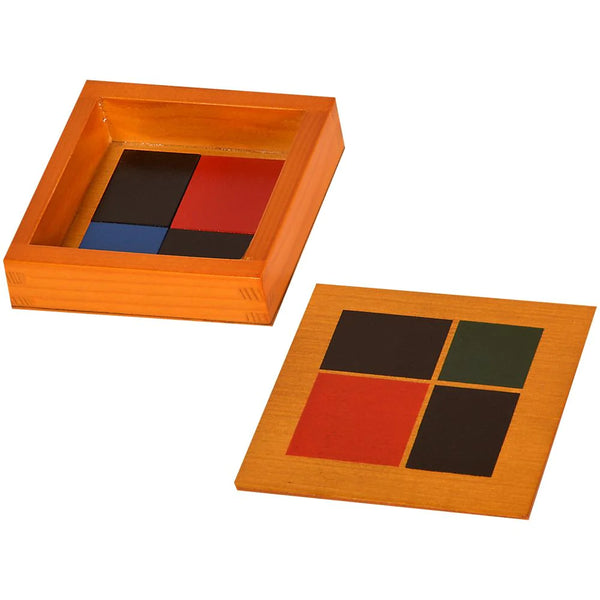
For infants (0-12 months), high-contrast black and white cards, mobiles with simple geometric shapes, and mirrors are excellent. As they grow, introduce toys with primary colours, like nesting cups or stacking rings, which also encourage spatial reasoning. A set of rainbow-coloured wooden blocks provides vibrant visual appeal.
Auditory Exploration
Simple musical instruments like shakers, bells, or xylophones allow children to explore sounds. For younger ones, rattles with different tones or even a set of metal bowls and spoons (supervised) offer varied auditory feedback. Encourage them to listen to everyday sounds, from the chirping of birds outside to the pressure cooker whistling in the kitchen.
Tactile & Proprioceptive Input
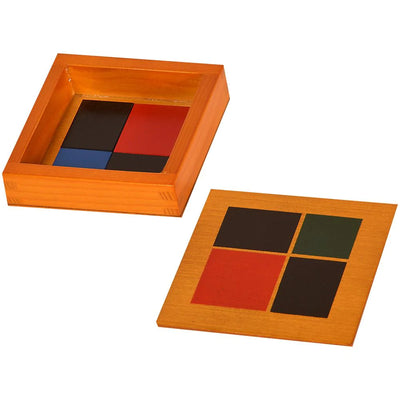
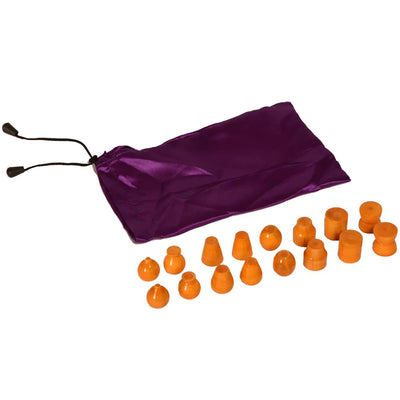
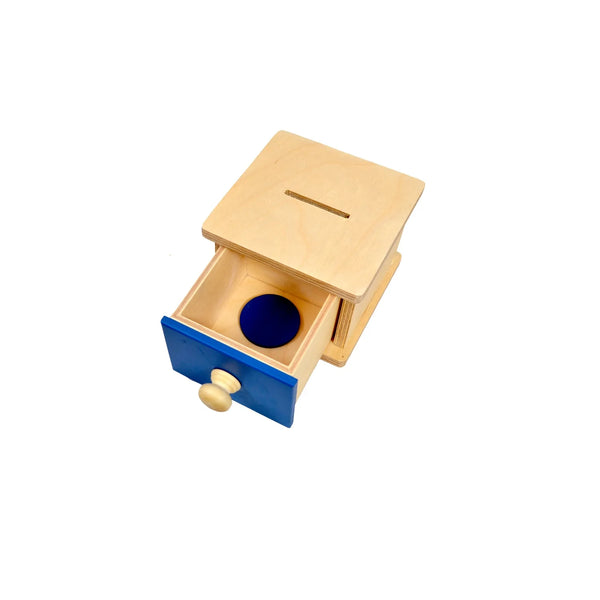
This is where wooden toys truly shine. Blocks, puzzles, and shape sorters offer varied textures and weights. Activity kits often include materials like playdough or kinetic sand, which are fantastic for tactile exploration and developing fine motor skills. For older toddlers (2-5 years), a 'sensory bin' filled with pulses like rajma, chana, or rice, along with scoops and small containers, provides endless tactile fun. Remember the non-obvious insight here: the habit Indian dadis have of massaging babies with warm oil isn't just tradition – it's proprioceptive input that Western therapists now use for infant self-regulation, building body awareness from an early age.
Olfactory & Gustatory (Supervised)
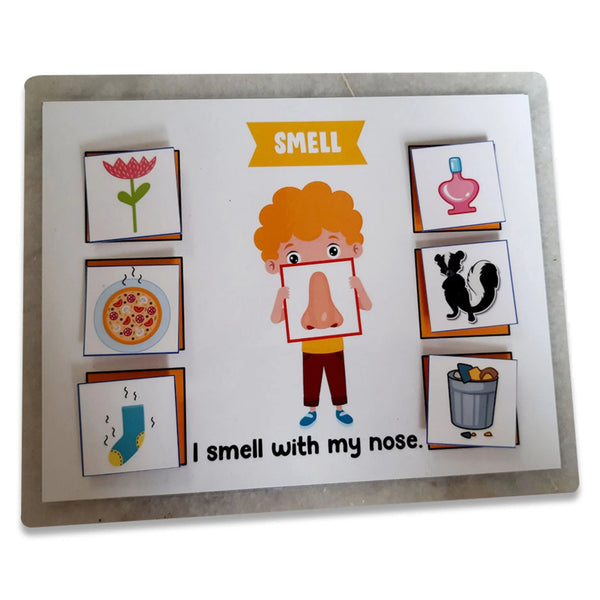
Introduce safe, natural scents through flowers, herbs, or even mild spices like cinnamon sticks (supervised). Cooking together is a wonderful way to explore tastes and smells safely. Always supervise closely, especially for younger children, to prevent choking hazards.
Integrating Everyday Indian Elements & Natural Materials
You don't need to buy everything. Many items found in Indian homes are fantastic for sensory play. Think of the varied textures of Grandma's silk sarees, the smooth coolness of a steel tumbler, the earthy scent of garden soil, or the rhythmic sounds of tapping on different kitchen vessels. These familiar objects make the play space culturally resonant and accessible.
Gather natural materials like smooth pebbles, leaves, flowers, or even dried coconut shells (cleaned and safe). These offer organic textures and stimulate curiosity about the natural world. The key is to present them thoughtfully and ensure they are age-appropriate and clean.
Rotation, Observation, and Parental Role
A Montessori sensory play space thrives on observation. Watch your child to understand their interests and developmental stage. This guides your selection and rotation of materials. Instead of overwhelming them with too many toys, offer a curated selection and rotate them every week or two to maintain novelty and engagement.
Your role is that of a facilitator – prepare the environment, observe, and intervene only when necessary. Trust your child's innate drive to explore and learn. This approach, supported by quality educational toys and a thoughtfully designed space, lays a strong foundation for their lifelong learning journey.