Educational Toys for Early Intervention: Nurturing Sensory Development
Proactively nurturing a child's sensory world from birth is a profound gift, and choosing the right educational toys for early intervention is key. These specialised tools and activities provide critical support, laying a strong foundation for a child's holistic development, especially during their formative years from 0-5.
Early intervention, particularly in sensory development, ensures children can process and respond to their environment effectively, helping them thrive in their families and beyond. As parents across India, from bustling Bengaluru to smaller towns, increasingly seek proactive developmental support, understanding these toys becomes invaluable.
What is Early Intervention for Sensory Development?
Early intervention for sensory development involves providing targeted support and activities to children from birth to five years who may have challenges processing sensory information. This proactive approach aims to help children develop crucial sensory integration skills that are fundamental for learning, behaviour, and daily functioning. This matters because robust sensory processing underpins all future learning and interaction. Indian parents can proactively engage their children with sensory-rich play to support this vital development.
Importance of Early Intervention for Sensory Play
Research consistently shows that the first five years of a child's life are critical for brain development, making early intervention incredibly impactful. When it comes to sensory development, early intervention through purposeful play, often called early intervention sensory play, helps children integrate sensory input from their environment. This is crucial for everything from learning to self-regulate emotions to mastering complex motor skills.
Child development experts agree that addressing sensory needs early can significantly improve long-term outcomes. For instance, a child struggling with touch sensitivity might find certain clothes uncomfortable, affecting their willingness to participate in social activities. Early, gentle exposure through sensory play can help them adapt, allowing them to experience the world more comfortably and confidently.
This proactive approach aligns with the growing awareness of developmental support in India, as evidenced by news about new 'Early intervention centres' aiming to provide comprehensive care. Ensuring a child receives timely support means they are better equipped to navigate the demands of school and daily life, whether in a joint family setting or preparing for competitive academic environments.
Recognising Signs of Sensory Needs in Young Children
Every child is unique, but certain behaviours can signal that a child might benefit from focused sensory support. These aren't necessarily 'problems' but rather indicators of how a child is processing the world around them. Parents often notice these signs as an unusual sensitivity or lack of response to everyday stimuli.
For example, a child might be overly sensitive to loud noises (like crackers during Diwali) or certain food textures (dal tadka might be too much!), or they might seek out intense movement and spinning. Conversely, some children may seem oblivious to pain, not react to their name, or be constantly lethargic. Studies indicate that up to 15% of children may experience some form of sensory processing challenge, making parental observation and understanding incredibly important.
Observing these patterns in a child's play and daily interactions is the first step. Grandparents, often the first caregivers, frequently possess an intuitive understanding of a child's temperament and can offer valuable insights. Understanding these cues helps parents choose appropriate sensory development activities 0-5 years that can make a real difference.
Montessori Toys for Developmental Delays: A Nurturing Approach
Maria Montessori's philosophy offers a powerful framework for early intervention, particularly for children with developmental delays. Montessori toys and materials are inherently sensory-rich, designed to isolate specific concepts and encourage self-directed learning. This approach is highly effective for Montessori toys for developmental delays because it respects the child's innate drive to learn and explore at their own pace.
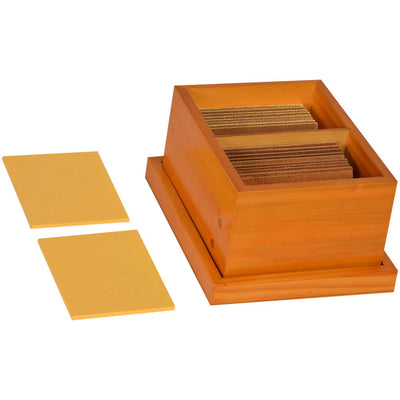
For a child struggling with fine motor skills, a Montessori learning material like the Pink Tower helps them understand size and sequence through touch and sight. Similarly, Sandpaper Letters engage tactile, visual, and auditory senses, which can be immensely beneficial for children facing speech or language delays. The self-correcting nature of these materials builds confidence and reduces frustration, which is crucial for children needing extra support.
Providing these structured yet free-exploration opportunities helps children build neural pathways, improving their ability to process sensory input. This aligns with global efforts like the 'Umang Vatika' initiative at Safdarjung Hospital, which provides safe and stimulating play environments for children with disabilities, recognising the profound impact of tailored play.
Sensory Development Activities 0-5 Years: Age-Specific Guidance
Engaging children in sensory play doesn't require elaborate setups; often, the most effective activities are simple and use readily available materials. Here's how to incorporate sensory play tailored for different age groups:
-
0-12 Months: Tactile & Visual Exploration
Introduce varied textures like silk scarves, soft cotton cloths (like a mother's dupatta), or crinkly paper. Offer rattles with different sounds and safe objects to mouth. A baby gym with hanging toys encourages reaching and batting, developing visual tracking and gross motor skills. Tummy time on different surfaces (blanket, grass) is also crucial. -
1-3 Years: Movement & Exploration
Toddlers thrive on movement. Encourage crawling through tunnels (even a cardboard box!), walking on uneven surfaces, and playing with playdough or kinetic sand for tactile input. Simple activityKits involving sorting colourful blocks or stacking cups develop fine motor skills and hand-eye coordination. Water play with sponges and pouring cups is always a hit. -
3-5 Years: Creative & Problem-Solving Sensory Play
Preschoolers can engage in more complex sensory activities. Provide opportunities for painting with fingers, exploring sensory bins filled with rice, beans, or water beads (under supervision), and building with magnetic tiles or wooden blocks. Role-playing and dress-up games also engage imagination and tactile senses. Encourage outdoor play in a garden or park, as emphasised by projects like Urban95 Pune, which aims to create child-friendly urban spaces.
Remember, the goal is exposure and engagement, not perfection. Celebrate every small milestone and adjust activities to your child's interests and comfort levels.
Building a Supportive Environment at Home
Creating a sensory-rich environment in an Indian home involves leveraging everyday experiences and family interactions. It's about more than just toys; it's about mindful engagement.
Encourage children to help in the kitchen by kneading atta, washing vegetables, or sorting spices – all wonderful tactile and olfactory experiences. During festivals like Holi, gentle engagement with colours (natural ones for younger kids) or the sounds of Diwali can be guided sensory experiences. Grandparents, with their wealth of stories and traditional games, naturally offer a rich auditory and social sensory environment.
The beauty of the Indian joint family structure is the constant interaction and varied stimuli it offers, naturally contributing to a child's sensory development. Making playtime a family affair, where everyone participates, reinforces learning and emotional connection. Early intervention can improve developmental outcomes by as much as 50% for children facing delays, underscoring the immense power of a nurturing home environment.
- Early intervention significantly improves developmental outcomes for children with sensory needs.
- Montessori principles offer a structured, child-led approach to sensory development.
- Sensory play is vital for brain development, motor skills, and emotional regulation.
- Observing and responding to a child's unique sensory preferences is key to effective support.
- Simple, open-ended educational toys are highly effective for early sensory intervention.
- Parents and caregivers play a central role in creating a rich sensory environment at home.
What is early intervention for sensory development?
Early intervention for sensory development involves providing targeted support and activities to children from birth to five years who may have challenges processing sensory information. This proactive approach aims to help children develop crucial sensory integration skills that are fundamental for learning, behaviour, and daily functioning.
How do Montessori toys help with developmental delays?
Montessori toys are designed to be self-correcting and hands-on, making them ideal for addressing developmental delays by encouraging independent exploration and discovery. Their specific purpose and structured nature allow children to build skills incrementally, enhancing fine motor coordination, problem-solving, and sensory awareness at their own pace.
What are the common signs of sensory processing challenges in young children?
Common signs include extreme reactions to touch, sound, or light, difficulty with balance and coordination, unusual sensitivity to food textures, or a constant need for movement. Conversely, some children might show little reaction to pain or loud noises, or struggle with transitions between activities.
At what age should parents consider early intervention for sensory issues?
Parents should consider early intervention as soon as they notice consistent patterns of behaviour or developmental milestones that seem atypical for their child's age, typically between 0-5 years. The earlier intervention begins, the more effectively a child can develop coping mechanisms and foundational skills, as highlighted by initiatives like the 'Early intervention centre' in Vyasarpadi.
Can sensory play be integrated into daily routines at home?
Absolutely, sensory play can be easily woven into daily routines at home using everyday items and simple educational toys. Activities like kneading atta, sorting dals, playing with water, or exploring different fabrics during dressing all offer rich sensory experiences that are naturally integrated into the Indian household.