Educational Toys for Sensory Development 0-5 Years
When we talk about childhood, especially in vibrant Indian homes, we envision little ones exploring, touching, and discovering their world. This innate curiosity is how children, particularly those aged 0-5 years, build their understanding through educational toys and play. Nurturing each of their senses isn't just about fun; it's the bedrock of their cognitive and physical development, helping them confidently navigate a complex world.
Educational toys are vital tools that nurture a child's sensory development from birth to age five by providing targeted stimuli for tactile, visual, auditory, proprioceptive, and vestibular systems. These carefully designed materials help young minds in Bengaluru and across India process information, develop motor skills, and build foundational learning pathways, empowering them to interact confidently with their world.
Understanding Sensory Development: A Foundational Pillar
Sensory development is how a child's brain learns to interpret and respond to information received through their senses. This foundational process matters because it directly impacts their motor skills, emotional regulation, cognitive abilities, and capacity to learn and interact with the world around them. Indian parents can proactively support this by introducing a rich variety of sensory experiences through purposeful play.
Child development experts agree that a strong sensory foundation is critical. It's not merely about the five traditional senses; it extends to the often-overlooked proprioceptive (body awareness) and vestibular (balance and movement) systems. By understanding how to stimulate each, parents can select sensory development toys that genuinely support their child's growth.
Tactile Toys for Kids: The Power of Touch (0-5 Years)
The tactile sense, or touch, is often a baby's first language. From grasping a parent's finger to exploring the texture of a rug during Diwali celebrations, touch provides crucial information about the world. For infants (0-1 year), tactile exploration helps develop fine motor skills and sensory discrimination.
For toddlers (1-3 years) and preschoolers (3-5 years), tactile toys for kids continue to refine these skills, preparing hands for writing and daily tasks. Research shows that children who engage with diverse textures develop better tactile discrimination, which correlates with improved fine motor control. Look for toys with varied surfaces—smooth wood, rough fabric, bumpy silicone, squishy clay. Montessori sandpaper letters are an excellent example, offering a distinct tactile experience for learning letter shapes.
Visual Stimulation Toys: A World of Discovery (0-5 Years)
A child's visual sense is constantly evolving, from distinguishing light and shadow as a newborn to recognizing complex patterns and colours as a preschooler. Visual stimulation toys are vital for developing eye-tracking, depth perception, and colour recognition. For infants (0-1 year), high-contrast black and white cards or mobiles are perfect for stimulating their developing eyesight.
As they grow (1-3 years), vibrant stacking rings, shape sorters, and picture books engage their attention, helping them learn about size, shape, and colour. Preschoolers (3-5 years) benefit from puzzles, pattern blocks, and art supplies, which hone their visual memory, spatial reasoning, and creative expression. The EuroKids celebrations marking India's Independence Day, with their colourful decorations, offer a natural large-scale visual feast that children intuitively engage with.
Auditory Toys for Toddlers: Listening and Learning (0-5 Years)
From the soothing lullabies sung by a Dadi to the bustling sounds of a Bengaluru street, a child's auditory world is rich and formative. Auditory toys for toddlers help develop sound discrimination, language skills, and rhythm. For babies (0-1 year), gentle rattles, musical mobiles, and soft chimes provide foundational auditory input, teaching them about cause and effect.
As children enter toddlerhood (1-3 years), simple musical instruments like drums or shakers encourage rhythm and creative expression. For preschoolers (3-5 years), rhyming games, storybooks with different character voices, and singing nursery rhymes enhance their phonological awareness, a critical pre-reading skill. Experts highlight that exposure to diverse sounds, including nature's melodies, supports auditory processing and attention.
Proprioceptive Activities for Kids: Knowing Your Body (0-5 Years)
The proprioceptive sense gives us information about our body's position in space and the force our muscles exert. It's our internal body map, crucial for coordinated movement and spatial awareness. The traditional Indian practice of daily baby oil massages (malish) is a wonderful, natural proprioceptive activity for infants (0-1 year), providing deep pressure input that helps babies feel their body boundaries and relax.
For toddlers (1-3 years) and preschoolers (3-5 years), proprioceptive activities for kids include pushing heavy objects (like a toy trolley), climbing, crawling through tunnels, and playing with playdough that requires squeezing and pulling. These activities provide deep pressure and muscle input, which helps children regulate their energy levels, improve coordination, and develop a stronger sense of self. The Urban95 Pune project's focus on creating ITC-friendly (Infants, Toddlers, Caregiver) cities, with spaces designed for active play, inherently supports these vital sensory experiences.
Vestibular Play for Toddlers: Balance and Movement (0-5 Years)
The vestibular sense, located in the inner ear, is responsible for our sense of balance, spatial orientation, and movement. It tells us whether we are upright, upside down, moving fast or slow. Vestibular play for toddlers is fundamental for gross motor development, coordination, and even focus.
For infants (0-1 year), gentle rocking, being carried, and tummy time on different surfaces stimulate the vestibular system. As children grow (1-3 years), activities like swinging (a favourite jhoola pastime in Indian homes), spinning safely, rolling down a grassy slope, and using balance boards become incredibly beneficial. Preschoolers (3-5 years) can further refine this sense through hopscotch, climbing structures, and riding tricycles. Such activities are not just fun; they build confidence in movement and contribute significantly to overall brain development, echoing the spirit of inclusive play observed at places like Safdarjung Hospital's 'Umang Vatika' where children play freely and safely.
Bringing It All Together with Montessori Principles
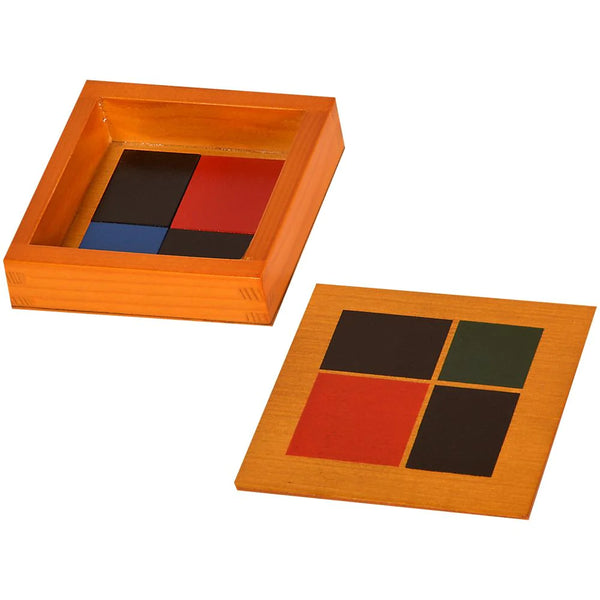
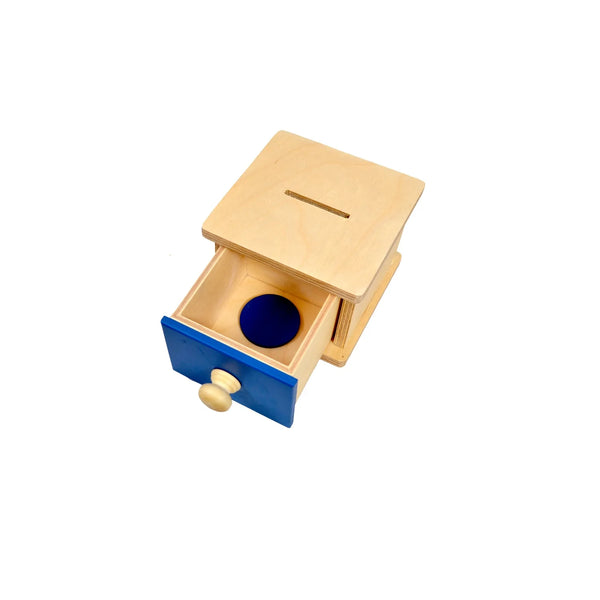
Maria Montessori, a pioneer in child education, understood that children learn best by doing and by engaging all their senses. Her philosophy emphasizes purposeful materials that allow children to explore and discover independently. Montessori sensory toys, such as the Pink Tower (visual and tactile discrimination of size), Sound Cylinders (auditory discrimination), and various pouring and scooping activities (proprioceptive and tactile), are designed to isolate one sensory quality, allowing for deeper learning and concentration.
By integrating such materials and activities into your child's daily routine, you're not just offering playtime; you're investing in a holistic developmental journey. Observe your child, understand their current sensory needs, and choose educational toys that provide the right kind of stimulation for their age and stage.
Supporting your child's sensory development is one of the most enriching gifts you can give them. It builds the foundational skills for learning, social interaction, and emotional regulation. Remember, every little exploration, every touch, every sound absorbed is a step towards a brighter, more capable future for your child.