Educational Toys: Maximizing Sensory Play for 0-5
To maximize sensory play for children aged 0-5, integrate open-ended educational toys into structured and free-play activities that engage multiple senses. Research consistently shows that purposeful sensory engagement is fundamental for early brain development, laying the groundwork for all future learning. This approach, rooted in Montessori principles, provides practical experiences that build cognitive, motor, and emotional intelligence crucial for holistic development in young Indian children.
Sensory play involves any activity that stimulates a child's senses: touch, sight, sound, smell, and taste, alongside proprioception (body awareness) and vestibular (balance) senses. This matters because active engagement of these senses builds neural pathways, enhances problem-solving, and refines motor skills. Indian parents can easily incorporate this into daily routines, transforming everyday interactions into powerful learning opportunities using the right tools.
The Impact of Purposeful Sensory Engagement (0-5 Years)
Child development experts agree the first five years are critical for rapid brain growth, with sensory experiences shaping cognitive and emotional capabilities. Engaging multiple senses strengthens neural connections, fostering language, fine motor skills, and emotional regulation. This aligns with modern educational trends, as seen in "The Playscape Brings Purposeful Play to Hyderabad's Kids," emphasizing structured yet free-flowing play. Studies indicate children engaged in diverse sensory play exhibit improved concentration and better adaptation to new situations. For Indian families, amplifying everyday sensory experiences with targeted educational toys provides a strong foundation for development.
Montessori Sensory Activities for Infants (0-12 Months)
For the youngest learners, sensory play focuses on safe, stimulating experiences. Research shows newborns benefit from visual and auditory stimuli that are not overstimulating. Montessori mobiles provide crucial visual tracking practice, while gentle rattles encourage grasping and sound localization.
- Tactile Exploration: Offer soft fabric books, crinkle toys, or various textured cloths. Allow babies to grasp, mouth, and explore safely under supervision.
- Visual Tracking: Hang a high-contrast Montessori mobile above their play mat to encourage visual focus and concentration.
- Auditory Awareness: Use rattles or shakers with varying sounds. Encourage them to shake and listen, connecting action with sound.
These simple yet profound engagements with appropriate Montessori learning materials are foundational, even within a busy joint family home.
Enriching Toddler Learning Toys & Sensory Play Ideas (1-3 Years)
As toddlers grow, their curiosity explodes, making it an ideal age to introduce a wider range of toddler learning toys and activity kits that engage problem-solving alongside sensory input. These activities support crucial development of fine motor skills, hand-eye coordination, and early cognitive concepts.
- Practical Life Skills: Introduce child-safe pouring activities with water or lentils. Scooping, transferring, and pouring refine fine motor control and concentration.
- Stacking & Sorting: Blocks, nesting cups, and shape sorters are classic toddler learning toys building spatial awareness, pattern recognition, and tactile discrimination.
- Sensory Bins: A simple bin with rice, beans, or pasta, along with small scoops, offers hours of tactile and imaginative play. Add small toys for discovery.
These purposeful exercises strengthen hands and minds, preparing children for tasks like independent dressing.
Advanced Sensory Exploration for Preschoolers (3-5 Years)
For preschoolers, Montessori sensory activities can become more sophisticated, integrating early literacy, numeracy, and scientific exploration. This age group thrives on activities that challenge their burgeoning cognitive abilities while still engaging their senses. They are ready to categorize, compare, and connect abstract concepts to concrete experiences.
- Language & Tactile Learning: Sandpaper letters provide a multi-sensory approach to phonics. Children trace the letter shape while sounding it out, embedding the learning deeper.
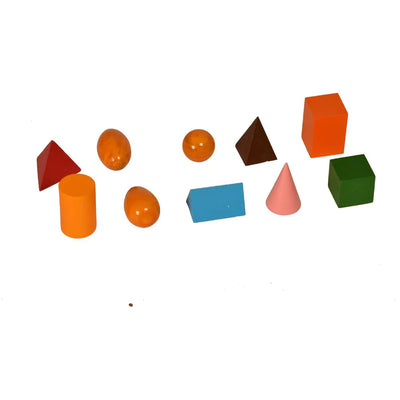
- Sensorial Materials: The Geometric Solids introduce concepts of shape, volume, and dimension through touch and sight, while Knobbed Cylinders refine visual discrimination of size.
- Nature Exploration: Collect leaves, flowers, or stones during a walk. Categorize them by texture, color, and size, enhancing observation skills and connection to nature.
These experiences are vital for developing critical thinking and preparing children for formal schooling, easing parent concerns about academic readiness.
Cultivating a Sensory-Rich Environment in Indian Homes
Creating an enriching sensory environment doesn't require a dedicated playroom; it thrives within the everyday rhythms of an Indian home. Grandparents often have a treasure trove of traditional materials—spices for aroma play, diverse fabrics for tactile exploration, or engaging stories that stimulate auditory senses.
- Simplicity & Rotation: A cluttered environment overstimulates. Offer a few high-quality educational toys at a time, rotating them to maintain interest and focus.
- Integrate Daily Life: Involve children in kitchen tasks (mixing, smelling spices), gardening (feeling soil, watering plants), or festival preparations. These are naturally rich sensory experiences.
- Observation & Responsiveness: Observe what your child gravitates towards. If they love water, offer more water-based activities; if textures, provide diverse tactile experiences.
- Safety First: Always supervise sensory play, ensuring all materials are non-toxic and age-appropriate, especially with younger children.
By weaving purposeful sensory activities into the fabric of family life, parents provide a strong foundation for holistic development, celebrating each child's unique journey of discovery.
- Purposeful sensory play is crucial for brain development in children aged 0-5 years.
- Montessori educational toys are designed to isolate senses, fostering concentration and precise perception.
- Infants benefit from high-contrast visuals, gentle sounds, and varied tactile experiences.
- Toddlers enhance fine motor skills and problem-solving through practical life and sorting activities.
- Preschoolers connect abstract concepts to concrete experiences with tools like Sandpaper Letters.
- Creating a sensory-rich home environment integrates educational play into daily Indian family life.
What are the benefits of sensory play for babies and toddlers?
Sensory play significantly enhances brain development by building neural pathways and strengthening connections. It improves fine motor skills, problem-solving abilities, language development, and even emotional regulation, laying a strong foundation for future learning.
How can I start Montessori sensory activities at home?
Begin with simple, age-appropriate educational toys and everyday items. Focus on activities that isolate a single sense initially, such as exploring different textures or colors, then gradually introduce more complex tasks as your child grows, ensuring a prepared and safe environment.
Are educational toys essential for sensory development?
While everyday household items offer sensory experiences, well-designed educational toys are purpose-built to engage specific senses in a controlled and developmental manner. They provide structured opportunities for learning and skill refinement that are harder to replicate with general items alone.
What kind of sensory play is best for a 2-year-old?
For a 2-year-old, activities that encourage active manipulation and early problem-solving are ideal. This includes practical life skills like pouring and scooping, stacking blocks, shape sorters, and sensory bins filled with safe, explorative materials that engage touch and sight.
How do I keep sensory play safe for my child?
Always supervise sensory play closely, especially with younger children who might put items in their mouths. Ensure all materials are non-toxic, age-appropriate, and free from small, choking-hazard parts. Regular cleaning of toys also maintains a hygienic play environment.
Can grandparents help with sensory development?
Absolutely! Grandparents in Indian joint families can be wonderful facilitators of sensory development. They can share traditional activities like kneading dough, sorting grains, telling stories, or simply exploring nature together, enriching a child's sensory world with cultural context and affection.