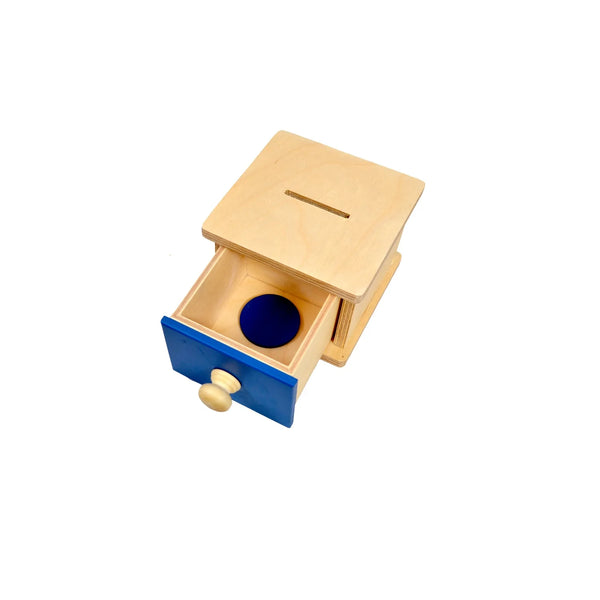
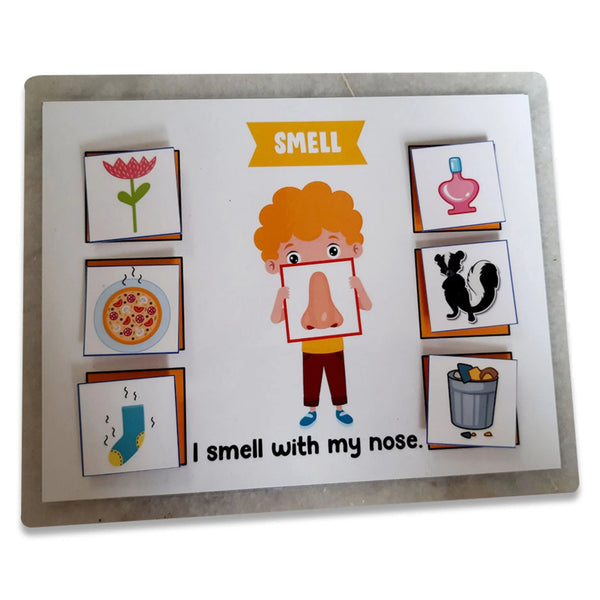
Educational Toys: Safe & Free Sensory Play at Home (Umang Vatika Inspired)
When we talk about creating enriching environments for our little ones, the power of educational toys in fostering safe and free sensory experiences at home cannot be overstated. Inspired by recent initiatives like Umang Vatika – the sensory garden at Safdarjung Hospital for children with disabilities, which champions the right to 'play freely & safely' – parents are increasingly looking to replicate these principles within their own homes. This approach ensures children, especially babies and toddlers aged 0-5, receive consistent, developmentally appropriate sensory input in a secure and familiar setting.
What is Sensory Play at Home?
Sensory play at home involves activities that stimulate a child's senses of touch, sight, sound, smell, and taste through engaging, safe materials. It is a fundamental aspect of early childhood development, supporting brain growth, motor skills, and cognitive processing. Indian parents can easily incorporate this by providing a variety of textures, sounds, and interactive objects in a designated play area.
Umang Vatika's Vision: Freedom & Safety for Every Child
The recent opening of Umang Vatika at Safdarjung Hospital, as reported by The Better India, offers a profound lesson for all parents: every child deserves a space where they can play freely and safely. This dedicated sensory garden, designed for children with disabilities and neurodivergent children, emphasizes an inclusive environment where exploration is encouraged without inhibition. Its philosophy underscores that intentional design can remove barriers, allowing children to engage with their surroundings in a way that truly benefits their individual needs. Similarly, the establishment of early intervention centres, like the one coming up in Vyasarpadi mentioned by The Times of India, further highlights India's growing commitment to comprehensive child development.
This news inspires us to think about how we can bring these principles into our daily lives, particularly in urban Indian homes where outdoor play might be limited. The core idea is not just about having a sensory garden, but about adopting its guiding principles: freedom, safety, and inclusivity in play. This is where the thoughtful selection of Montessori educational toys becomes incredibly powerful.
Montessori Educational Toys: Your Home's Inclusive Sensory Garden
Montessori education, pioneered by Dr. Maria Montessori, champions the idea of a 'prepared environment' where children learn through self-directed activity. When applied to sensory play at home, Montessori educational toys act as carefully selected elements within this environment, designed to engage specific senses and encourage independent exploration. Child development experts agree that a prepared environment fosters concentration and a deep sense of accomplishment.
Simplicity for Deeper Engagement
Unlike overstimulating electronic toys, Montessori toys often focus on one specific concept or sensory quality. For instance, a set of activity kits might feature varying weights or textures. This simplicity allows children to focus intensely on the sensory input without distraction, promoting deeper learning and self-regulation. Research shows that too many choices can overwhelm young children, hindering their ability to engage meaningfully.
Natural Materials for Authentic Sensory Input
Many Montessori educational toys are crafted from natural materials like wood, metal, and cotton. A child exploring a smooth wooden block feels its warmth and texture, contrasting it with a cool metal bell or a soft cotton cloth. These authentic, varied tactile experiences are crucial for developing a rich sensory vocabulary, far more so than synthetic materials. This aligns perfectly with the philosophy of providing genuine, unadulterated sensory experiences, similar to what a natural garden offers.
Practical Steps for Creating a Safe Sensory Play Environment at Home
Creating a safe play haven doesn't require a large space or a big budget. Even in a compact Bengaluru apartment, with grandparents often sharing the space, parents can set up an effective sensory zone using Montessori principles.
The Prepared Environment, Indian Style
Start by dedicating a small, uncluttered corner of a room. Ensure it's safe from hazards – child-proof outlets, secured furniture, and a soft rug or mat. Place a few carefully chosen educational toys at child height. Think about a basket with different textured fabrics, a set of sound cylinders, or nesting dolls that invite exploration of size and shape. Rotate these toys every few weeks to maintain interest without overwhelming the space.
For parents concerned about inclusive play, consider toys that offer varied levels of engagement. A simple wooden puzzle can be used for visual discrimination, while textured balls can cater to tactile seekers. This thoughtful selection allows children with diverse needs to find joy and challenge at their own pace.
Observing Your Child: The True Guide
The Montessori method emphasizes observation. Watch how your child interacts with the toys. Does Aarya, your 3-year-old in a Bangalore joint family, spend a long time feeling the sandpaper letters? Or does your toddler, Rohan, prefer arranging stacking cups by size? These observations tell you what sensory input your child is craving and what skills they are developing. Your role is to provide the materials and the freedom, allowing their innate curiosity to lead the way.
Beyond the Physical: Nurturing Emotional & Cognitive Growth
The benefits of a well-curated home sensory environment extend beyond just physical development. When children can play freely and safely with appropriate educational toys, their emotional and cognitive growth flourishes. The ability to choose their activity, concentrate without interruption, and self-correct mistakes builds self-esteem and resilience.
Studies indicate a strong correlation between early, rich sensory experiences and improved problem-solving skills and language development later in life. By providing a calming, predictable sensory space, parents are also helping children develop emotional regulation – a crucial skill for navigating the demands of school and social interactions in Indian society. This thoughtful approach to sensory play at home is a profound investment in a child's holistic well-being, creating a foundation for lifelong learning and confidence.