Educational Toys: Science-Backed Sensory Development (0-5 Years)
Educational toys from the Montessori philosophy profoundly stimulate holistic sensory development in children aged 0-5 years, a period critical for brain growth. Research shows that engaging multiple senses through carefully designed materials builds strong neural pathways, enhancing cognitive abilities and preparing young minds for lifelong learning. SkilloToys.com offers a curated range of these scientifically-backed resources, empowering Indian parents to foster their child's innate potential for exploration and discovery from an early age.
Holistic sensory development refers to the comprehensive maturation of all sensory systems—sight, sound, touch, taste, smell, as well as vestibular (balance) and proprioception (body awareness). This matters because these interconnected senses are the primary conduits through which children learn about their environment, forming the bedrock for motor skills, language, and cognitive functions. Indian parents can actively support this by providing rich, stimulating, and age-appropriate sensory experiences.
The Scientific Foundation of Montessori Educational Toys for Sensory Development
Child development experts agree that the early years are a sensitive period for brain development, where experiences shape neural architecture. Maria Montessori's method, grounded in careful observation, harnesses this period by offering materials that isolate specific sensory qualities, encouraging focused attention and independent discovery. This purposeful design supports what neuroscientists call 'experience-dependent plasticity,' where the brain literally reshapes itself based on interaction with the environment, leading to profound Montessori educational toys benefits.
Refining the Senses: How Educational Toys Nurture (0-5 Years)
Purposeful engagement with sensory development toys from birth allows children to construct a clear understanding of their world. Each sense, when intentionally stimulated, contributes to a robust foundation for learning and interaction.
Touch & Proprioception: Building Foundational Awareness
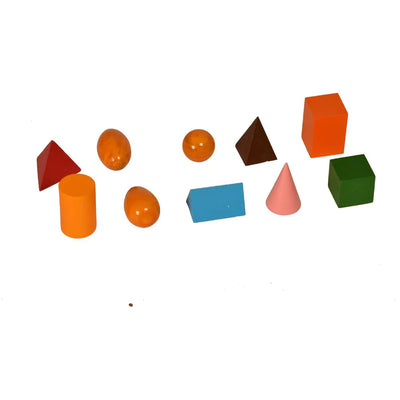
Tactile experiences are foundational, impacting fine motor skills and spatial reasoning. Montessori materials like texture boards, the Geometric Solids, or the iconic Pink Tower are designed to refine a child's sense of touch, weight, and dimension. As children manipulate these objects, their brains map the physical world, enhancing body awareness (proprioception) and dexterity crucial for writing and everyday tasks. This hands-on exploration directly supports motor planning and problem-solving, much like engaging with quality Montessori Method Learning Materials & Toys available at SkilloToys.
Sight & Sound: Stimulating Visual & Auditory Pathways
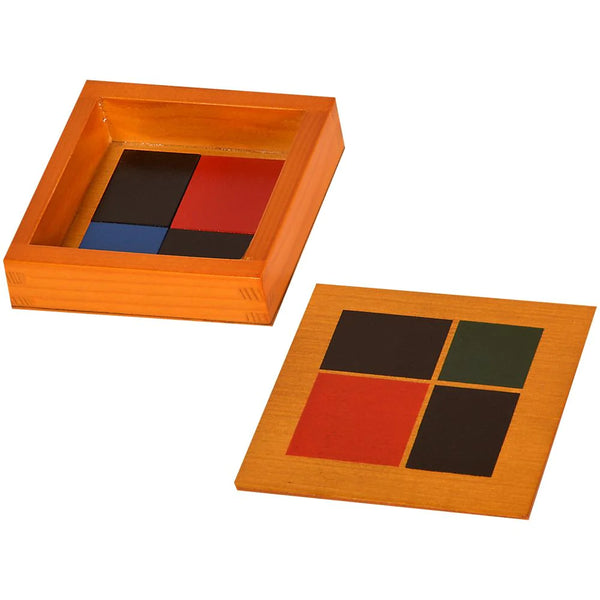
Visual and auditory discrimination are key to language acquisition and understanding patterns. Colour tablets teach chromatic differentiation, while sound cylinders help distinguish varying intensities and pitches. Studies indicate that early exposure to such precise sensory input improves concentration and auditory processing, skills vital for discerning speech and academic learning. These activities lay the groundwork for a child's ability to decode the complex visual and auditory world around them, making them excellent kids learning toys.
Beyond the Five: Vestibular & Proprioceptive Systems
Beyond the traditional five senses, vestibular (balance) and proprioceptive (body awareness) systems are crucial for movement, coordination, and even emotional regulation. Activities involving balancing, climbing, and navigating spaces, often found in well-designed outdoor or indoor play areas, stimulate these senses. Our activity kits often incorporate elements that encourage active, purposeful movement, allowing children to understand their body's position in space and develop confidence in their physical abilities.
Practical Benefits for Indian Homes & Early Learning
In Indian homes, where joint families often provide a rich tapestry of interactions, Montessori educational toys seamlessly integrate, offering structured yet independent play that benefits every child. These child development toys science shows enhance not just sensory acumen but also patience, concentration, and a love for learning – qualities highly valued in preparing for school and life. Initiatives like 'The Playscape' in Hyderabad, advocating purposeful play, resonate with the Montessori approach, highlighting the national recognition of structured early learning. Similarly, the spirit of holistic growth, as seen in EuroKids' celebrations, mirrors the comprehensive development fostered by these toys.
- Montessori educational toys offer a scientifically proven approach to holistic sensory development.
- Engaging multiple senses in early childhood is vital for optimal neural pathway formation.
- Materials are designed for self-correction, fostering independence and problem-solving skills.
- Refined sensory input improves concentration, fine motor skills, and cognitive functions.
- Purposeful play through these toys supports vestibular and proprioceptive development.
- These toys promote a love for learning and prepare children for academic and life challenges.
What exactly is holistic sensory development?
Holistic sensory development refers to the comprehensive maturation and integration of all senses—including touch, sight, hearing, taste, smell, balance (vestibular), and body awareness (proprioception). It's about how these senses work together to help a child understand and interact with their world.
How do Montessori educational toys differ from regular toys for sensory input?
Montessori educational toys are specifically designed to isolate one sensory quality at a time, encouraging focused exploration and self-correction, unlike many regular toys that offer overwhelming, multi-sensory input. This deliberate design promotes deeper understanding and refinement of each sense, making them superior sensory development toys.
At what age should I introduce Montessori sensory toys?
Montessori sensory toys can be introduced from infancy, with simpler materials for babies (0-12 months) focusing on textures and visual tracking, gradually progressing to more complex challenges for toddlers (1-3 years) and preschoolers (3-5 years). The key is to follow the child's developmental stage and interest.
Can Montessori toys help children with sensory sensitivities?
Yes, Montessori toys can be highly beneficial for children with sensory sensitivities by offering predictable, controlled, and purposeful sensory input. This structured engagement can help children gradually integrate and process sensory information in a calming and constructive manner, building tolerance and understanding.
How can parents in a joint family encourage sensory play?
In a joint family, parents can encourage sensory play by creating a dedicated, clutter-free space for Montessori materials and involving grandparents or other family members in supervised play. This fosters a shared learning environment and reinforces the value of purposeful exploration within the family unit.
What are some examples of Montessori educational toys for sensory development?
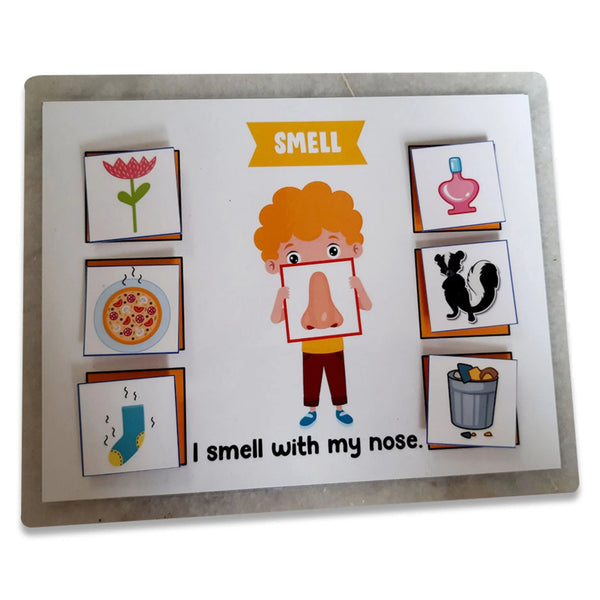
Key examples include the Pink Tower for visual discrimination of size, Sound Cylinders for auditory matching, Fabric Boxes for tactile exploration, and Smelling Bottles for olfactory development. These materials are renowned for being effective educational toys that target specific sensory refinements.
Investing in quality educational toys for your child's early years is not merely buying playthings; it's investing in their future cognitive, emotional, and physical well-being. By understanding the science behind Montessori's approach, Indian parents can confidently choose tools that truly empower their children's senses and build a robust foundation for lifelong learning. SkilloToys.com is committed to providing these essential resources, helping every child in India thrive through purposeful, sensory-rich play.