Inclusive Sensory Play at Home: Udupi's Samarthya Vana Inspiration
As news emerges about Udupi's upcoming 'Samarthya Vana' — a dedicated park for specially-abled children – it sparks an important conversation for every Indian parent: how do we nurture inclusive sensory play at home? Research shows that an estimated 7.5% of Indian children aged 0-6 years have some form of disability, underscoring the vital need for supportive environments. Creating spaces where all children, regardless of their unique abilities, can explore their senses and develop crucial skills is not just an ideal, but a necessity that parents can achieve in their own homes.
Inclusive sensory play at home involves thoughtfully adapting your child's environment and activities to meet their individual sensory needs. This proactive approach ensures that every child, whether they are sensory-seeking or sensory-sensitive, receives the appropriate stimulation to thrive, fostering cognitive, emotional, and physical development in a safe and loving space.
Inspired by Udupi's Samarthya Vana: A National Movement for Inclusive Play
The announcement of 'Samarthya Vana' in Udupi, designed specifically for specially-abled children, is a beacon of hope and a reminder that purposeful play environments are crucial for development. This initiative, much like the 'Umang Vatika' at Safdarjung Hospital in Delhi, reflects a growing national understanding that play isn't just recreation; it's a fundamental right and a powerful tool for therapy and learning, especially for children with disabilities. These public spaces offer tailored sensory experiences, from accessible swings to textured pathways, inspiring us to replicate this thoughtful design in our own homes.
The essence of such initiatives is to provide a 'prepared environment' – a core Montessori principle – that meets a child where they are. For parents, this means observing closely and understanding what kind of sensory input their child needs, rather than simply offering a generic set of toys. It's about empowering children to engage with their world in a way that feels comfortable and stimulating for them.
What is Inclusive Sensory Play at Home?
Inclusive sensory play at home is the intentional design of play activities and spaces that cater to the diverse sensory needs of all children, including those who are specially-abled. This matters because a well-designed sensory environment helps children regulate their emotions, develop motor skills, and process information effectively, laying a strong foundation for future learning. Indian parents can implement this by observing their child's unique responses to different textures, sounds, sights, and movements, then tailoring play to support their specific sensory profile.
Understanding Your Child's Unique Sensory World
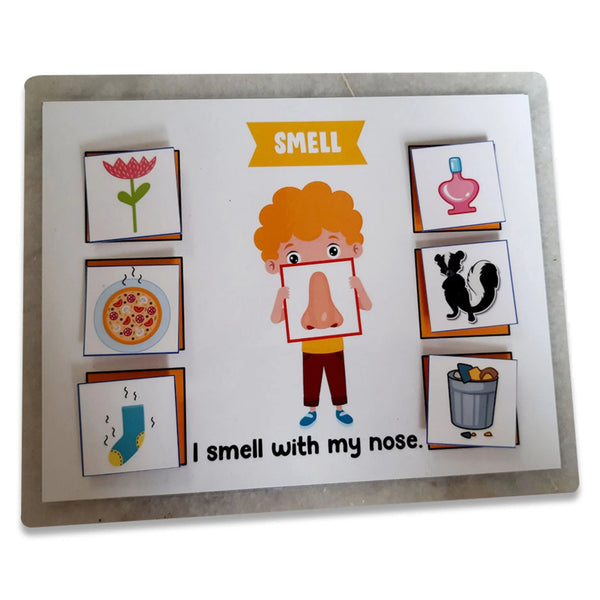
Every child has a unique sensory profile, and this is especially true for children with diverse needs. While we commonly think of five senses, child development experts acknowledge eight: sight, sound, smell, taste, touch (the five external senses), plus proprioception (body awareness), vestibular (balance and movement), and interoception (internal body sensations). A child might be highly sensitive to certain sounds (auditory defensiveness) or constantly seek deep pressure (proprioceptive seeking).
The non-obvious insight here is that true inclusive sensory play isn't about providing *more* stimuli, but providing the *right kind* of stimuli tailored to a child's unique sensory profile. This often mirrors therapeutic approaches by creating a 'sensory diet' at home – a structured schedule of activities that provides specific sensory input a child needs to stay regulated and engaged. For instance, a child who craves proprioceptive input might benefit from pushing a heavy trolley of toys or squishing clay, while a child sensitive to loud noises might thrive in a quiet corner with soft textiles and visual aids.
Montessori Principles for Diverse Sensory Needs
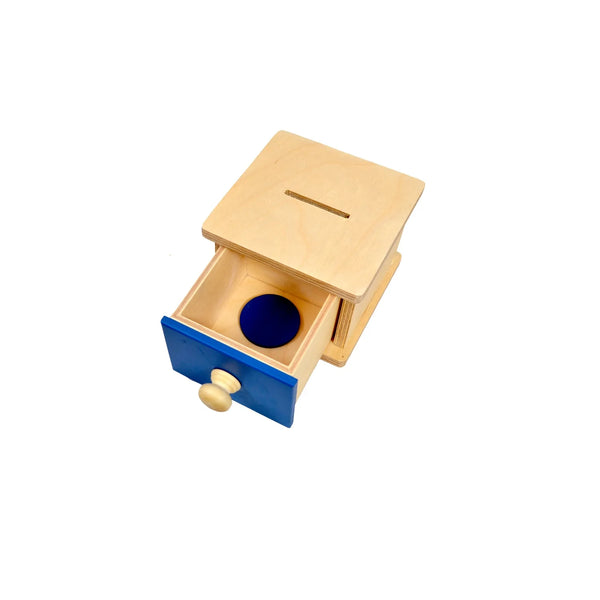
Maria Montessori's philosophy is inherently inclusive, advocating for a prepared environment that allows children to learn at their own pace, fostering independence and self-correction. For children with diverse sensory needs, this approach is particularly powerful. Montessori materials are designed to isolate a single quality (e.g., color, size, texture) and engage multiple senses simultaneously, making complex concepts accessible.
- The Prepared Environment: A clutter-free, accessible space encourages focus. For a child with visual sensitivities, soft lighting and muted colours might be key. For a child needing movement, a clear floor space is essential.
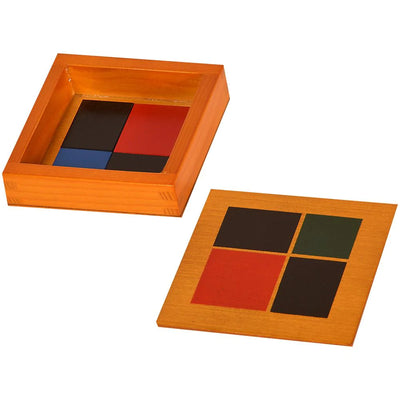
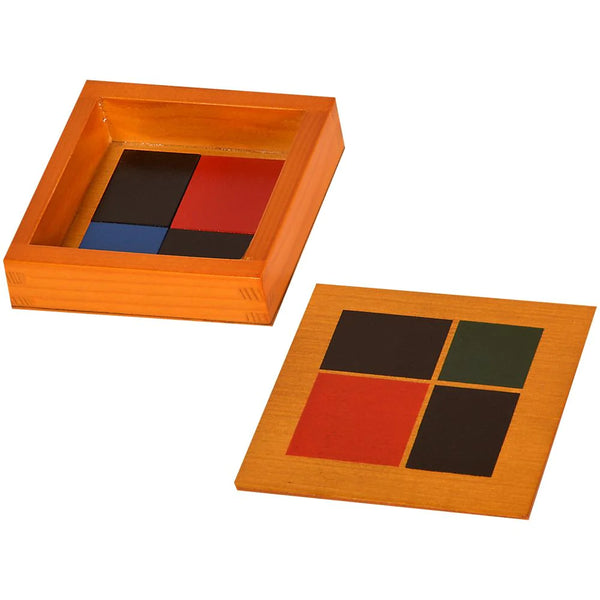
- Sensory Exploration: Materials like the Pink Tower or Sandpaper Letters offer distinct tactile and visual input. These help refine discrimination skills, which are crucial for all children, especially those needing extra support in processing sensory information.
- Practical Life Activities: Simple tasks like pouring water, sweeping, or buttoning clothes (often found in SkilloToys activity kits) provide purposeful movement, fine motor practice, and a sense of accomplishment. These activities offer deep proprioceptive and tactile input, which can be highly regulating for many children.
Studies indicate that children in Montessori environments often demonstrate improved executive function and socio-emotional development, skills critical for children navigating sensory differences. By presenting activities with clear beginnings and ends, and allowing repetition, children gain mastery and build confidence.
Practical Steps for Inclusive Sensory Play at Home
Creating an inclusive sensory haven at home doesn't require a large budget or a dedicated therapy room. It's about intention and observation.
- Create a 'Sensory Corner': Designate a small, cozy space in your living room or a child's bedroom. Include items that provide calming input: soft cushions, weighted blankets (if advised by a professional), dim lighting, and a basket of quiet fidget toys or tactile balls. For a child seeking stimulation, include textured fabrics, light-up toys, or a sound machine with nature sounds.
- Integrate Sensory Play into Daily Routines: During meal times, encourage describing the taste and texture of food. During bath time, use different sponges and pour water from varying heights. Even household chores, like helping to knead dough for rotis or sorting pulses, offer rich tactile and proprioceptive experiences. This is where the wisdom of Indian grandparents often shines, with their natural incorporation of sensory-rich activities into daily life.
- Offer Open-Ended Materials: Instead of toys with a single function, provide materials like playdough, sand, water, pebbles, leaves, or a collection of different fabrics. These allow for endless exploration and adaptation based on a child's sensory preferences. A simple bowl of rice with spoons and small cups can be a fantastic, calming tactile experience.
- Observe and Adapt: Pay attention to your child's cues. Do they shy away from certain textures? Do they seek out specific movements? Are they easily overwhelmed by noise? Use this information to modify activities. If a child finds painting messy, offer paint in a ziplock bag or use finger paints on a smooth, easily wipeable surface like a mirror. The Indian Academy of Pediatrics emphasizes the importance of early intervention and individualized approaches to support child development.
- Inclusive play prioritizes individualized sensory needs, making activities accessible for all children.
- Udupi's Samarthya Vana serves as an inspiration for creating thoughtfully designed play spaces.
- Montessori education fosters independence and sensory development through a prepared environment.
- A 'sensory diet' helps children regulate responses by providing tailored sensory input.
- SkilloToys' Montessori materials offer multi-sensory, self-correcting experiences for diverse learners.
- Integrating sensory activities into daily Indian routines enhances engagement and development.
What is inclusive sensory play?
Inclusive sensory play refers to play experiences designed to be accessible and beneficial for all children, regardless of their sensory processing abilities or disabilities. It focuses on adapting the environment and activities to meet individual sensory needs, ensuring every child can participate meaningfully and safely.
How can Montessori principles help children with special needs?
Montessori principles, such as the prepared environment, self-directed activity, and concrete, multi-sensory materials, are highly beneficial for children with special needs. They allow children to learn at their own pace, engage with materials that appeal to multiple senses, and develop independence in a structured yet flexible setting, fostering concentration and a love for learning.
What is a 'sensory diet' for children?
A 'sensory diet' is a personalized plan of sensory activities designed to help a child regulate their responses to sensory input throughout the day. It's not about food, but rather a schedule of activities that provide the specific sensory input a child needs to stay calm, focused, and organized, often recommended by occupational therapists.
Are SkilloToys Montessori materials suitable for children with diverse sensory needs?
Yes, SkilloToys Montessori materials are inherently designed to be multi-sensory and self-correcting, making them highly suitable for children with diverse sensory needs. Their tactile, visual, and auditory elements engage multiple senses, while their structured nature provides a predictable and calming learning experience that can be adapted to individual pace and preference.
How can I make my home play space more inclusive?
To make your home play space more inclusive, observe your child's sensory preferences and sensitivities. Create designated zones for different types of sensory input (e.g., a quiet corner for visual input, a textured mat for tactile exploration). Offer a variety of open-ended materials, use clear visual cues, and be flexible with how activities are presented, allowing for adaptation.