Montessori Educational Toys for Neurodivergent Children: Home Sensory Play
Inspired by the innovative 'Umang Vatika' sensory garden at Safdarjung Hospital in Delhi, many parents seek ways to provide similar enriching experiences at home. For neurodivergent children, Montessori educational toys for neurodivergent children offer a structured, purposeful pathway to recreate these vital sensory explorations, fostering development in a safe and familiar environment. Child development experts agree that consistent, thoughtful sensory input is crucial for sensory integration, helping children better understand and interact with their world.
This guide draws inspiration from Safdarjung's noted mud pits and visual art installations, showing you how to bring these specific sensory delights into your Indian home, no matter how small. We'll focus on practical, science-backed methods to support your child's unique sensory journey using the power of Montessori principles.
What is Sensory Play for Neurodivergent Children?
Sensory play for neurodivergent children involves activities designed to engage one or more senses in a way that helps regulate their sensory system, supporting focus and learning. This matters because well-regulated sensory input helps children process information, manage emotions, and interact with their environment effectively. Indian parents can implement simple, everyday activities using specialized toys to support this crucial development.
The Magic of Mud Play: Bringing Tactile & Proprioceptive Benefits Home
The mention of 'mud pits' at Safdarjung's garden immediately highlights the incredible value of tactile and proprioceptive input. Remember those childhood days in the village, making mud houses and digging in the soil? While urban living often limits direct mud access, the underlying sensory benefits are immense for children, especially those who are neurodivergent.
Mud play provides deep pressure, varying textures, and opportunities for heavy work (digging, patting, shaping), all of which are critical for developing a strong sense of body awareness and regulation. Research published by the American Academy of Pediatrics highlights the significant role of messy play in developing fine motor skills and sensory processing, crucial for children with sensory sensitivities.
To recreate this at home, consider setting up a sensory activity kit. A large, shallow tub can become a 'mini mud pit' on your balcony or in a designated corner of a room, lined with a mat for easy cleanup. Fill it with kinetic sand, damp soil (from a garden plant, ensuring it's free from sharp objects), or even a thick, homemade playdough. Provide small shovels, cups, and molds for scooping and shaping. This allows for safe, controlled exploration of textures and resistance, mimicking the rich proprioceptive input of actual mud.
Visual Delights: Montessori Activities Inspired by Art Installations
Safdarjung's 'visual art installations' point to the power of focused visual stimulation for neurodivergent children. Visual input isn't just about looking; it's about processing, interpreting, and finding patterns. For some neurodivergent children, visual stimuli can be overwhelming, while for others, specific visual patterns can be incredibly calming and engaging.
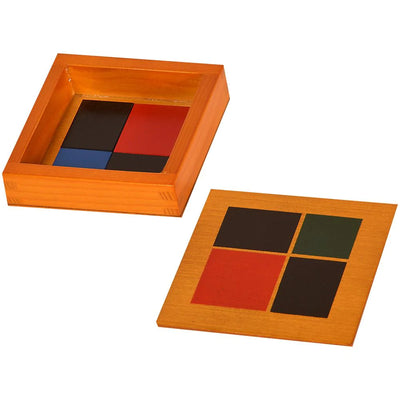
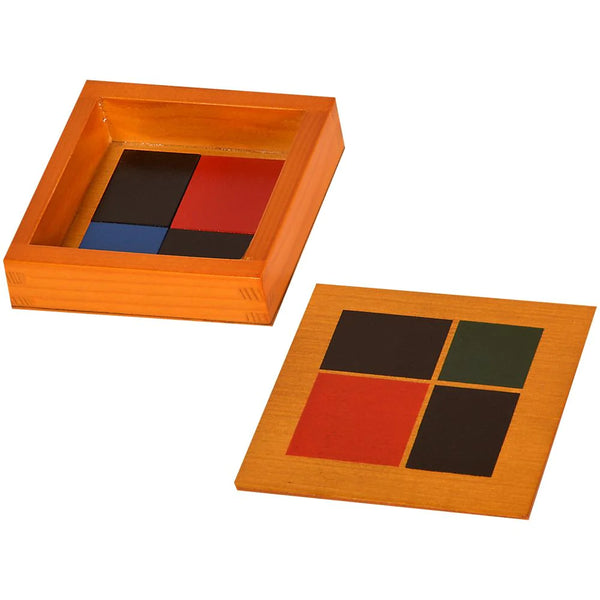
Montessori education excels in providing purposeful visual sensory activities for children. From birth, infants engage with high-contrast visual mobiles, which help develop visual tracking and concentration. As children grow, materials like the Colour Tablets teach discrimination of hues and shades, refining visual perception in a systematic way.
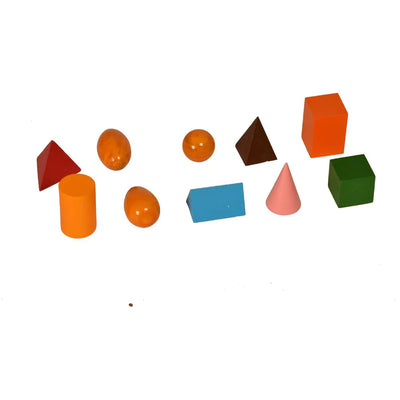
You can recreate this focus at home. Introduce a series of simple, uncluttered visual elements. Think about a display of natural objects collected from a walk, arranged aesthetically, or a set of Montessori puzzles that encourage visual discrimination and problem-solving. For older toddlers, geometric solids offer a three-dimensional visual and tactile experience, helping them understand form and proportion. These focused activities help children process visual information without sensory overload, promoting calm attention and cognitive development. Explore a range of Montessori educational toys for rich visual engagement.
Creating a Home Sensory Garden: Inclusive Play with Educational Toys
Transforming a small corner of your Bengaluru apartment into a 'home sensory garden' is more achievable than you might think. The goal is to create a dedicated space where your child feels safe to explore, regulate, and learn. This approach promotes inclusive play with educational toys, allowing every child to thrive at their own pace.
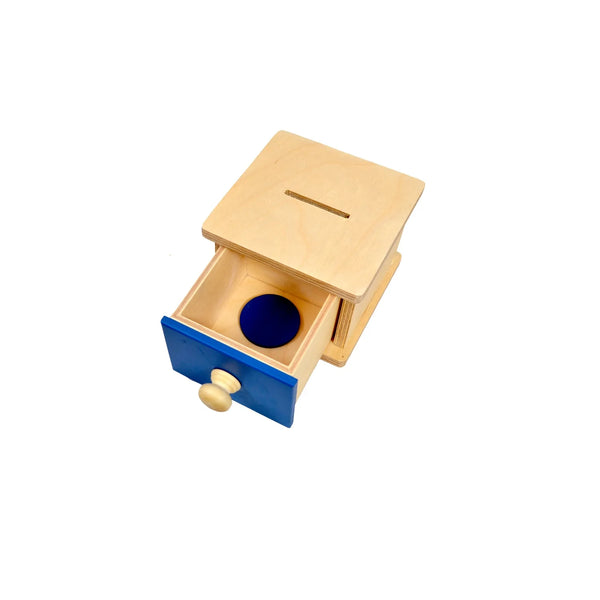
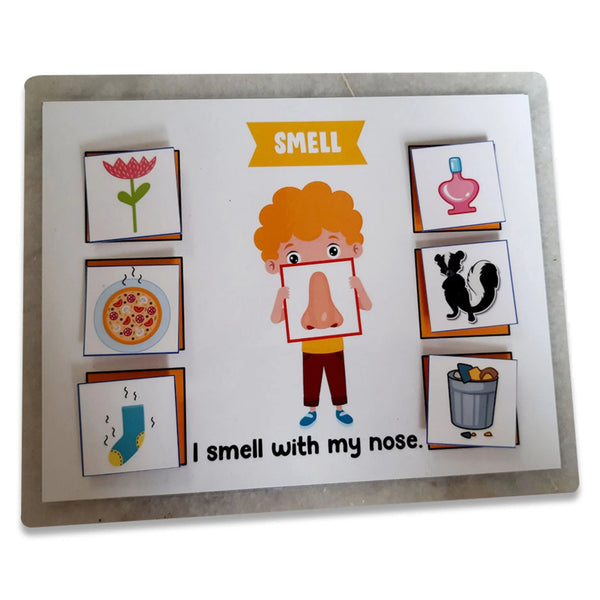
Start with a calm-down corner, perhaps with soft cushions and muted colours. Integrate a small sensory bin for tactile exploration – it could hold dried beans, rice, or natural elements like leaves and pebbles. Add a selection of Montessori materials for fine motor and visual work, like stacking blocks, threading beads, or a simple picture-matching game. Studies by the Harvard Center on the Developing Child indicate that a predictable and stimulating environment supports optimal brain development, particularly for children with diverse learning needs.
Involve other family members too! A Dadi or Nani can share traditional games that offer sensory input, like sorting lentils (fine motor, visual) or gentle oil massages (proprioceptive). These shared moments not only build bonds but also offer invaluable sensory experiences rooted in Indian culture. The beauty of Montessori is its adaptability; it helps you observe your child's specific needs and provide tools that genuinely support their sensory journey, turning everyday play into profound development.