Montessori Toys for Autism: Sensory Development 0-5 Years
Supporting a child with Autism Spectrum Disorder (ASD) can feel like a complex journey, especially when it comes to sensory development. For parents in India seeking effective strategies, Montessori toys for autism sensory development offer a profound, structured approach that genuinely aids children aged 0-5 years. These purposeful materials are not just educational; they provide a predictable, calming experience essential for children learning to process their world.
It's natural for parents to feel overwhelmed, but understanding how to integrate play with specific developmental support can make a huge difference. World Autism Awareness Day 2026 highlights the ongoing conversation around autism, reinforcing the need for targeted, early intervention strategies that empower both children and families.
What is Sensory Processing in Autism Spectrum Disorder?
Sensory processing in Autism Spectrum Disorder (ASD) involves how a child's brain takes in, organises, and makes sense of information from their senses. This matters because many children with ASD experience sensory sensitivities—either over-reacting or under-reacting to sights, sounds, textures, tastes, or movements—which can profoundly impact their behaviour, learning, and interaction with the world. Indian parents can proactively address these sensitivities by creating structured, predictable sensory experiences at home.
Montessori for ASD Toddlers: Understanding Sensory Play
Research shows that children with ASD often thrive in structured environments that minimise unexpected sensory input. This is where the Montessori method, championed by Dr. Maria Montessori, offers unique benefits. Its emphasis on a ‘prepared environment’ means spaces are intentionally designed to support a child's natural development, providing predictable, engaging sensory experiences.
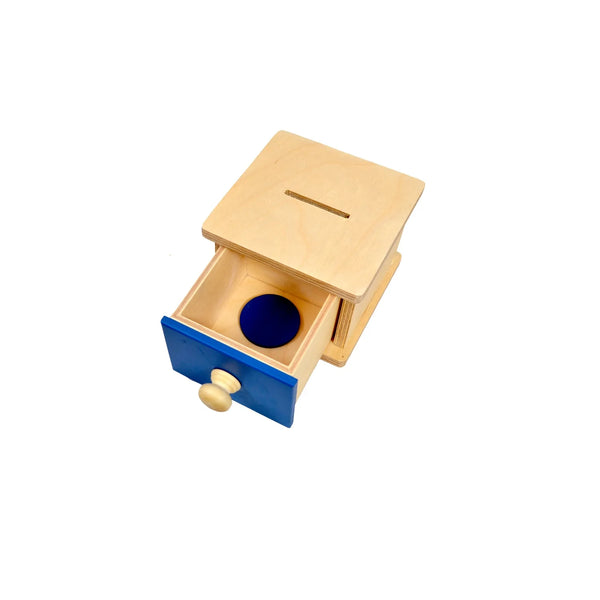
The self-correcting nature of Montessori materials is particularly powerful for children with ASD. If a puzzle piece doesn't fit, the child immediately receives visual or tactile feedback, allowing them to adjust without external correction. This fosters independence, reduces frustration, and builds confidence—crucial elements for children who may struggle with social cues or external validation. As child development experts agree, this focused, repeatable engagement supports sensory regulation.
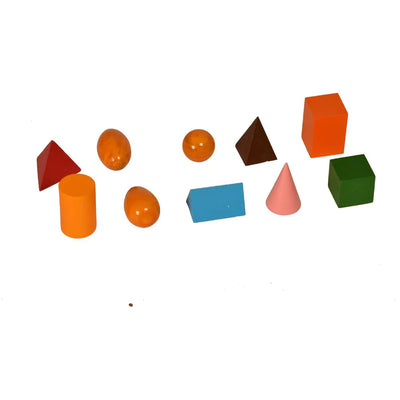
Consider 3-year-old Aarya in a bustling Bengaluru joint family. While the general environment might be stimulating, a dedicated ‘work’ mat with specific activity kits, like the geometric solids or a set of texture boards, offers her a predictable space. This provides a calming contrast, allowing her to focus and process one sensory input at a time, much like the purposeful play environments seen in initiatives like Hyderabad's The Playscape.
Sensory Activities for Autism 0-5 Years: Montessori Focus
Montessori education systematically addresses each sense, offering precise materials that isolate and refine sensory perception. This deliberate approach is ideal for children with ASD who need clear, focused input to integrate sensory information effectively.
Tactile (Touch) Development
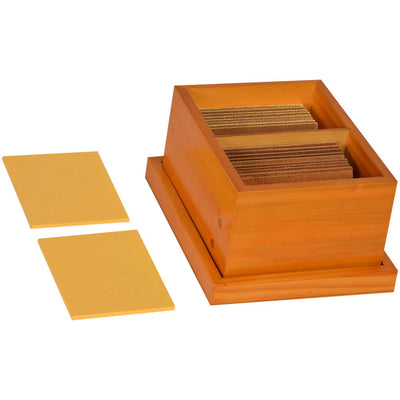
Many children with ASD have distinct tactile preferences or aversions. Montessori materials gently introduce varied textures in a non-threatening way. The Sandpaper Letters and numerals, for instance, invite a child to trace the rough surface with their finger, linking a tactile experience to a visual shape. Texture tablets, sorting soft fabrics from rough ones, or playing with dry rice and beans (supervised, of course) are excellent autism sensory play ideas. Imagine little Rhea, aged 2, initially reluctant to touch anything ‘sticky’, slowly becoming comfortable with the dry, grainy texture of lentils, sorting them by colour alongside her grandmother—a common scene in many Indian homes.
Visual (Sight) Discrimination
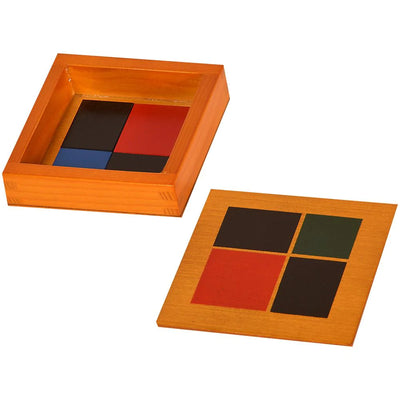
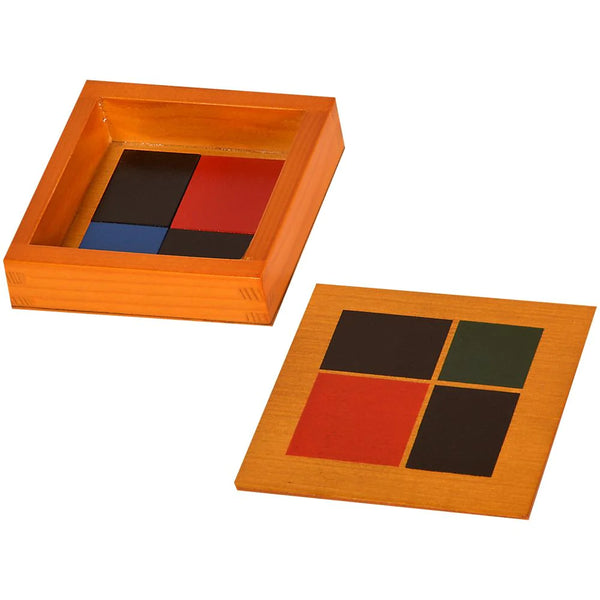
Montessori visual materials are designed with precision. The Pink Tower, Broad Stair, and Red Rods teach concepts of size, length, and dimension through graduated differences. Colour Tablets help children discriminate between hues. These activities offer predictable visual patterns, which can be very soothing for children with ASD who may be overwhelmed by visual chaos. The clear progression and logical order provide a sense of control and understanding.
Proprioceptive (Body Awareness) & Vestibular (Balance) Input
Proprioception is the sense of where our body parts are in space, and vestibular sense relates to balance and movement. Activities that involve lifting, carrying, pushing, and pulling are vital. Montessori Practical Life activities, such as pouring water, scooping beans, or carrying a tray, provide ‘heavy work’ that helps children with ASD understand their body in space. Studies indicate that deep pressure input can be calming. This resonates with the traditional Indian practice of ‘champi’ (oil massage) by parents and grandparents, offering gentle, rhythmic proprioceptive input that can be wonderfully regulating for a child with sensory processing differences.
For vestibular input, a simple rocking chair, a small indoor slide, or even crawling through a ‘tunnel’ made of cushions can offer controlled movement. The American Academy of Pediatrics recommends integrating movement and deep pressure activities for children with sensory regulation challenges.
Early Intervention Autism Toys India: Home Strategies
Early intervention is crucial, and Montessori principles can be seamlessly integrated into your daily routine. Here's how Indian parents can create a supportive home environment:
- Observe and Adapt: Pay close attention to your child's responses. Do they seek out specific textures or avoid certain sounds? Their behaviour is a guide to their sensory needs. If they enjoy playing with Montessori activity kits that involve sorting, introduce similar activities with varying textures.
- Create a ‘Work Space’: Even in a small urban apartment, a designated ‘work mat’ or a quiet corner can become your child’s prepared environment. This signals a time for focused engagement and reduces distractions. Think of it as your child's ‘Umang Vatika’ at home, a safe space for purposeful play.
- Involve the Family: Grandparents, siblings, and other family members can be invaluable. Teach them simple Montessori activities and the importance of observation. A grandparent patiently showing a child how to string large beads, for example, offers both fine motor and visual tracking practice, alongside loving interaction.
- Consistency is Key: Regular, short periods of sensory work are more effective than sporadic long sessions. Build these into your daily schedule, perhaps after breakfast or before an evening snack.
The ‘prepared environment’ in Montessori isn't just about the physical space; it's about preparing ourselves as parents too. It means approaching our child with patience, understanding, and a willingness to follow their lead within a structured framework.
- Montessori toys provide predictable sensory input, reducing anxiety for children with ASD.
- The self-correcting nature of Montessori materials fosters independence and sustained focus.
- Tactile, visual, and proprioceptive activities are key for sensory integration in ASD.
- Early intervention with Montessori supports sensory regulation and skill development from 0-5 years.
- Creating a prepared home environment enhances learning and reduces sensory overload for children with ASD.
- Incorporating Montessori principles builds confidence and empowers parents in India.
What is sensory processing in children with ASD?
Sensory processing in children with ASD refers to how their brains receive, interpret, and respond to sensory information from their environment. Many children with ASD experience either hypersensitivity (over-responsiveness) or hyposensitivity (under-responsiveness) to sounds, sights, touches, tastes, smells, or movement, affecting their behaviour and learning.
How do Montessori toys specifically help with tactile sensitivity?
Montessori toys like sandpaper letters and textured fabrics provide controlled, graduated tactile input, helping children with ASD gradually accustomed to different textures. This systematic exposure, offered in a calm environment, can help desensitize hypersensitivity or stimulate hyposensitivity, encouraging tactile exploration and integration.
Are Montessori materials suitable for non-verbal children with autism?
Yes, Montessori materials are highly suitable for non-verbal children with autism because they are self-explanatory and hands-on, relying less on verbal instructions. The materials' concrete nature and clear purpose allow children to learn through direct manipulation and exploration, supporting communication through action and observation.
What is the role of a 'prepared environment' for a child with ASD at home?
A prepared environment for a child with ASD means a home space that is orderly, predictable, and free from excessive sensory clutter, offering purposeful activities. This structure reduces anxiety and allows the child to focus on specific tasks, fostering independence and self-regulation without overwhelming their sensory system.
How can Indian parents integrate Montessori sensory play into daily routines?
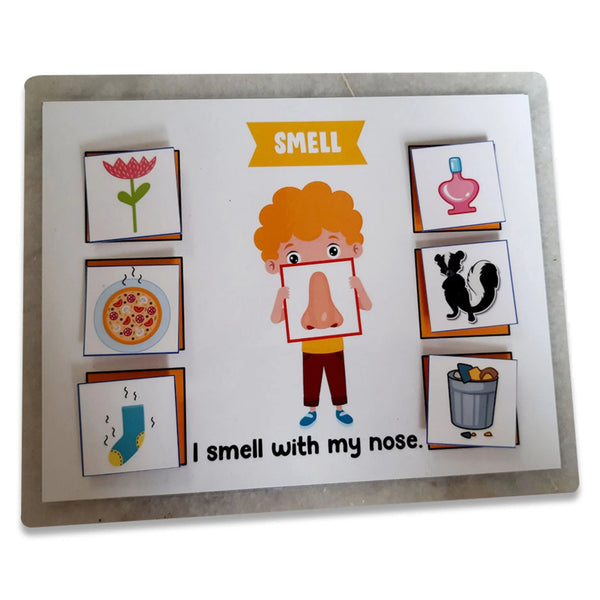
Indian parents can integrate Montessori sensory play by using everyday tasks, like sorting colourful pulses or grains (tactile/visual), helping prepare simple snacks (proprioceptive/olfactory), or engaging in traditional oil massages (deep pressure/tactile). These activities can be reframed with Montessori principles, focusing on repetition, purpose, and child-led exploration.
Empowering your child with ASD through Montessori toys for autism sensory development means offering them a pathway to understanding and navigating their sensory world. By creating a prepared, nurturing environment and choosing purposeful materials, you're not just providing toys; you're offering tools for growth, confidence, and connection. Tonight, observe your child during a quiet play moment: which textures do they gravitate towards? Which sounds do they respond to? Let their unique sensory journey guide your next step in fostering their amazing development.