Nature-Inspired Montessori Sensory Play at Home
The news about UBIKA Learning building 100+ 'Nature-Inspired, Finland-Affiliated Preschools Across India' signals a pivotal shift in early childhood education. This trend underscores the immense value of bringing nature's enriching influence into a child's learning journey, right into the comfort of Indian homes. Nature-inspired Montessori sensory play offers a profound pathway for children aged 0-5 to develop essential skills, echoing the acclaimed educational philosophy of Finland where connection to nature is paramount. This guide empowers Indian parents to integrate these globally recognised principles into their daily routines, fostering a love for learning through direct experience.
What is Nature-Inspired Montessori Sensory Play?
Nature-inspired Montessori sensory play is a method where children explore and learn through their senses using natural materials, guided by Montessori principles of self-directed activity and a prepared environment. This matters because it fosters cognitive growth, fine motor skills, and an appreciation for the natural world. Indian parents can implement this by integrating elements from their local environment into purposeful, child-led play, creating a rich sensory experience.
Embracing Finland's Outdoor Ethos in Indian Homes
Child development experts agree that a strong connection to nature is fundamental for holistic growth, a principle deeply embedded in Finland's world-renowned preschool system. This ethos, which prioritises outdoor learning and child-led exploration in natural settings, can be beautifully woven into the fabric of Indian family life. Just as initiatives like Safdarjung Hospital's 'Umang Vatika' provide free play spaces for children with disabilities, emphasizing inclusive and natural environments, parents can create similar enriching zones at home.
Bringing Finland's principles home means embracing simplicity and the power of everyday natural elements. It's about letting children touch the rough bark of a tree, listen to birdsong from the balcony, or observe a ladybug in the garden. Maria Montessori herself emphasised direct experience with the environment, stating that children learn best by doing. This approach reduces academic pressure, allowing children to learn at their own pace and fostering a deep sense of wonder, crucial for early years.
Indian homes, whether in bustling cities like Bengaluru or quieter towns, often have balconies, terraces, or access to local parks and green spaces. These can be transformed into child-friendly nature zones. Even a collection of potted plants or a small herb garden can provide a tactile and aromatic experience, connecting children to the cycles of nature right outside their door.
Setting Up Your Nature-Inspired Sensory Zones
Creating engaging outdoor sensory activities for kids doesn't require a sprawling garden; even a small balcony or a corner of the living room can transform into a sensory haven. Start with accessible materials: a tray filled with soil and gardening tools, a bucket of water with natural sponges, or a collection of smooth stones and colourful flowers from the neighbourhood park. Studies indicate that sensory play significantly enhances neural connections in a child's brain, preparing them for complex learning.
For older toddlers (18-36 months), you can introduce a simplified "mud kitchen" using old utensils and some safe, non-toxic mud or sand. Encourage them to mix, pour, and create, fostering imaginative play and developing fine motor skills. Remember, the goal is exploration, not perfection. This type of play also encourages problem-solving and an understanding of cause and effect. For a deeper dive into structured sensory activities, consider exploring SkilloToys' range of Montessori activity kits designed to engage young minds with purposeful exploration.
Montessori Nature Toys: Tools for Exploration
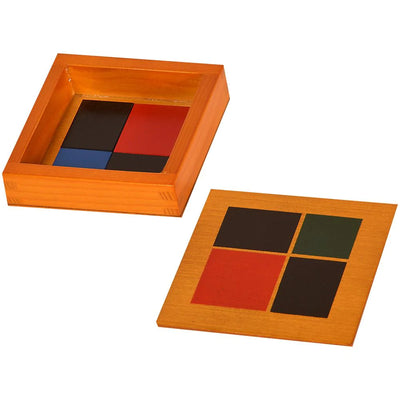
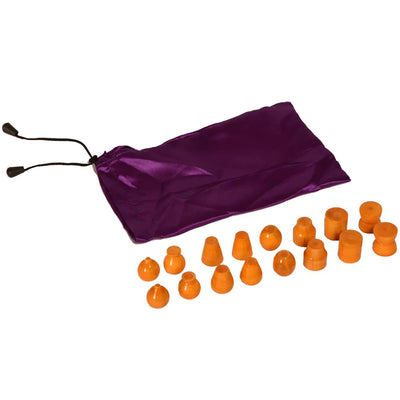
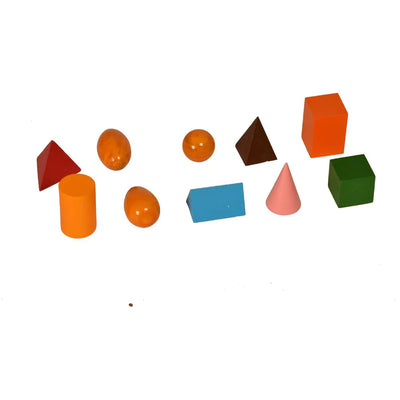
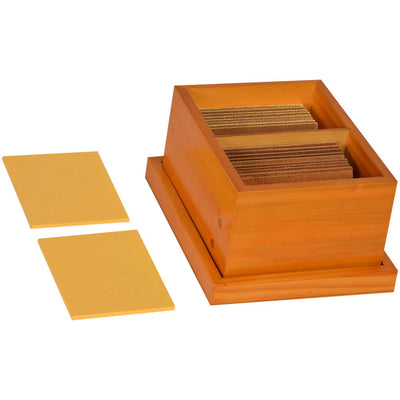
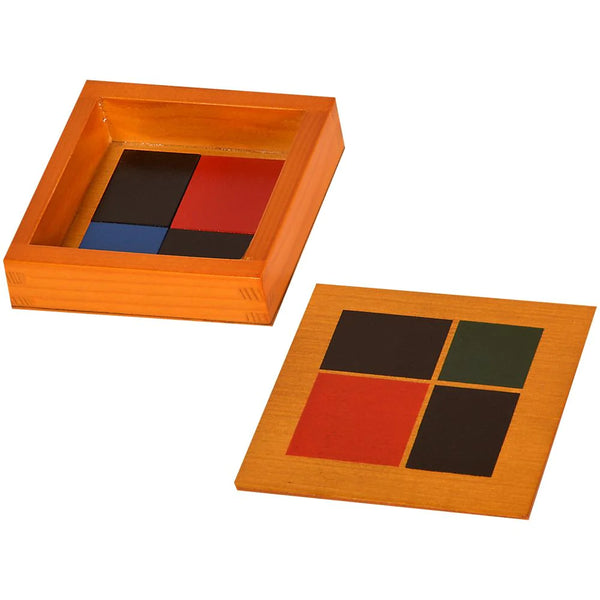
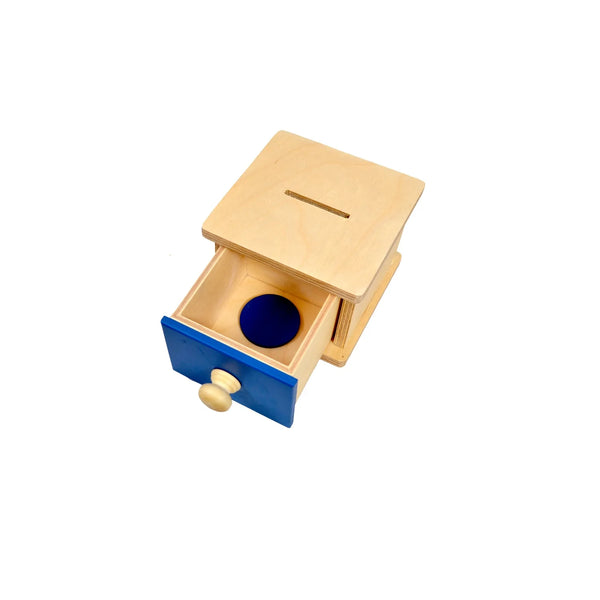
While natural elements are paramount, Montessori nature toys serve as invaluable extensions, refining a child's interaction with the environment. These toys are designed to isolate concepts, encourage observation, and develop specific skills, all while maintaining a connection to the natural world. Think wooden sorting trays for leaves, magnifiers for bug observation, or textured sensory blocks crafted from natural wood. These materials offer children a structured yet open-ended way to engage with nature's intricacies.
For instance, a set of wooden leaves that mimic different tree species can help children classify and understand biodiversity, enhancing their cognitive skills and early science concepts. Research shows that open-ended toys, especially those made from natural materials, stimulate creativity and problem-solving far more effectively than prescriptive plastic toys. This promotes a deeper understanding of the world around them. SkilloToys offers a wide array of Montessori educational materials that perfectly complement nature-inspired play, designed to grow with your child from infancy to early childhood, fostering independence and a love for discovery.
Nurturing Sensory Development in Toddlers
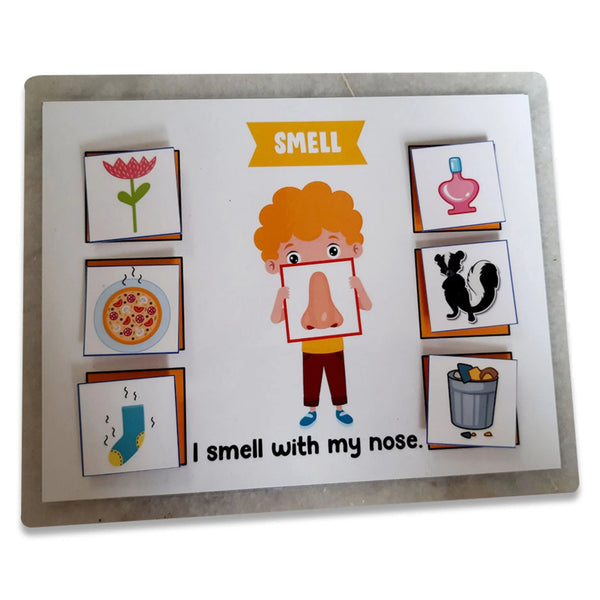
Sensory development for toddlers (1-3 years) is a continuous journey, and nature provides an unparalleled classroom. From the soft petals of a rose to the cool sensation of rainwater, every interaction offers a learning opportunity. Encouraging touch (textures of wood, stone, sand), sight (observing colours, patterns in leaves), smell (fragrance of flowers, earth), and sound (rustling leaves, birdsong) enriches their understanding of the world. Engaging multiple senses simultaneously helps build richer neural pathways.
For babies and younger toddlers (0-18 months), simple natural mobiles made from dried leaves or smooth pebbles can offer visual and auditory stimulation. As they grow, integrate elements into their daily routine – let them help water plants, collect flowers for puja, or simply sit with them and observe clouds. This not only builds their sensory foundation but also strengthens family bonds, often involving grandparents in these gentle activities. Providing opportunities to interact with various natural elements helps children understand their environment through direct, concrete experiences.
DIY Nature Sensory Bins: Simple Joys for Indian Homes
One of the most effective and culturally relevant ways to facilitate nature-inspired Montessori sensory play is through DIY nature sensory bins. These are incredibly versatile and can be crafted using materials readily available in any Indian household or local market. Imagine a bin filled with fragrant spices like cardamom pods, star anise, or cinnamon sticks, offering a feast for the olfactory sense, evoking familiar kitchen aromas.
Alternatively, use a base of different coloured lentils, rice, or chickpeas, along with small scoops, bowls, and tongs for scooping, pouring, and transferring activities that enhance fine motor skills and concentration. Add flower petals from marigolds or hibiscus, smooth river stones, dried leaves, or even shells collected from a family trip to the beach. These bins provide a contained, safe space for exploration, promoting independent play and developing critical life skills like practical life exercises, all while connecting children to the beauty of their local environment and culture. Studies by early childhood educators confirm that engaging with varied textures and natural objects significantly boosts cognitive development and language skills.
Creating a home environment rich in nature-inspired Montessori sensory play doesn't require drastic changes. It's about mindful incorporation of natural elements, fostering a spirit of curiosity, and embracing the wisdom of both Montessori and Finland's educational principles. By doing so, Indian parents can provide their children with a strong foundation for lifelong learning, resilience, and a deep appreciation for the world around them, preparing them not just for school but for life itself.
- Nature-inspired Montessori play aligns with Finland's child-centric educational ethos.
- Sensory exploration using natural elements boosts cognitive and motor skills in children aged 0-5.
- DIY nature sensory bins with local Indian materials are cost-effective and highly beneficial for holistic development.
- Montessori nature toys facilitate observation, classification, and fine motor skill development.
- Engaging with varied natural textures and objects significantly improves concentration and reduces stress in young children.
- Integrating nature into home play fosters a deep appreciation for the environment and strengthens family bonds.
What age is best for nature-inspired Montessori sensory play?
Nature-inspired Montessori sensory play is highly beneficial for children from birth to five years, with activities tailored to their developmental stage. Babies benefit from simple natural textures, while toddlers can engage in more complex sorting and imaginative play with natural elements.
How do Finland's preschool principles relate to Montessori at home?
Finland's preschool principles emphasize outdoor learning, child-led exploration, and a strong connection to nature, which perfectly align with Montessori's focus on a prepared environment and self-directed activity. Both approaches advocate for hands-on experiences over rote learning.
What simple nature items can I use for sensory play in an Indian home?
You can use a variety of easily available items like smooth river stones, dried leaves, flower petals (marigold, hibiscus), sand, soil, water, different pulses (lentils, chickpeas), and fragrant spices such as cardamom or cinnamon sticks. Always ensure items are safe and non-toxic for young children.
Are Montessori nature toys necessary, or can I just use natural objects?
While natural objects are excellent, Montessori nature toys provide structured opportunities for learning specific concepts like classification, size discrimination, and fine motor skill development. They complement natural objects by offering tools that isolate and clarify particular learning objectives.
How does sensory play benefit a child's development?
Sensory play is crucial for developing cognitive skills, fine and gross motor skills, language development, and problem-solving abilities. It helps children understand their environment through direct experience, builds neural pathways, and can improve concentration and emotional regulation.
How can I involve grandparents in nature-inspired sensory play?
Grandparents can be wonderful partners in nature-inspired sensory play by sharing traditional knowledge about plants, helping collect natural materials, or simply supervising and engaging with children during play. Their stories and gentle guidance can enrich the experience, fostering intergenerational bonds.