Purposeful Play for Kids: Hyderabad's Playscape & Montessori at Home
Purposeful play for kids is an intentional, child-led approach to engagement that actively supports specific developmental milestones. This vital concept is gaining significant traction across India, especially with inspiring initiatives like 'The Playscape Brings Purposeful Play to Hyderabad's Kids' highlighted by Telangana Today. By understanding purposeful play, Indian parents can transform their homes into dynamic learning environments, fostering independence and holistic growth in children aged 0-5 years.
Purposeful play is an activity initiated by the child, specifically designed to achieve a clear developmental goal through exploration and discovery, rather than merely passing time. This matters immensely because it cultivates crucial cognitive, social-emotional, and physical skills, laying a strong foundation for future learning and problem-solving. Indian parents can empower their children by providing thoughtfully prepared environments and tools that encourage this deep, meaningful engagement daily.
The Playscape Philosophy: Nurturing Growth Beyond the Classroom
Inspired by pioneering initiatives like Hyderabad's Playscape, the philosophy of Montessori purposeful play emphasizes that play is a child's work – a profound statement that elevates children's natural inclination to explore. This approach moves beyond purely unstructured playtime to curate experiences where children naturally develop skills through their own chosen engagement. Research shows that children consistently engaged in purposeful play exhibit higher levels of concentration, creativity, and problem-solving abilities compared to those in purely free-play settings, demonstrating a deeper cognitive engagement.
The Playscape's vision in Hyderabad, which champions 'purposeful play,' resonates deeply with Montessori principles: creating environments that are thoughtfully prepared to invite curiosity and skill-building. For families across India, whether in bustling Bengaluru apartments, vibrant Mumbai flats, or serene ancestral homes in smaller towns, this philosophy translates into designing a 'playscape' within your own four walls. It involves a mindful selection of educational toys and an intentional arrangement of spaces that encourage children to explore, experiment, and master new concepts independently and at their own pace, fostering self-reliance from a young age.
Benefits of Purposeful Play for 0-5 Year Olds: Beyond Just Fun
The benefits of purposeful play 0-5 years are extensive, impacting every facet of early childhood development. For infants (0-12 months), purposeful play, such as reaching for a rattle, batting at a mobile, or exploring varied textures, strengthens gross motor skills and introduces fundamental cause-and-effect relationships. Child development experts agree that these early, sensory-rich interactions are critical for optimal brain architecture development.
As toddlers (1-3 years) engage with activities like stacking blocks, fitting shapes into a puzzle, or simple practical life tasks, they refine fine motor skills, spatial reasoning, and early language acquisition. Studies indicate that children who regularly participate in purposeful play demonstrate enhanced vocabulary, improved social interaction, and stronger emotional regulation by age three. For preschoolers (3-5 years), activities like sorting, counting with concrete materials, or elaborate role-playing foster cognitive flexibility, number sense, imaginative thought, and vital social skills needed for school.
Beyond individual skill development, purposeful play nurtures resilience and self-confidence. When a child independently masters a task, whether it's pouring water without spilling, completing a simple threading activity, or constructing a tower, they build a powerful sense of accomplishment and self-efficacy. This is particularly valuable in the Indian context, preparing children not just for academic success but for navigating a complex world with inner strength and adaptability.
Fostering Sensory Development Through Purposeful Play
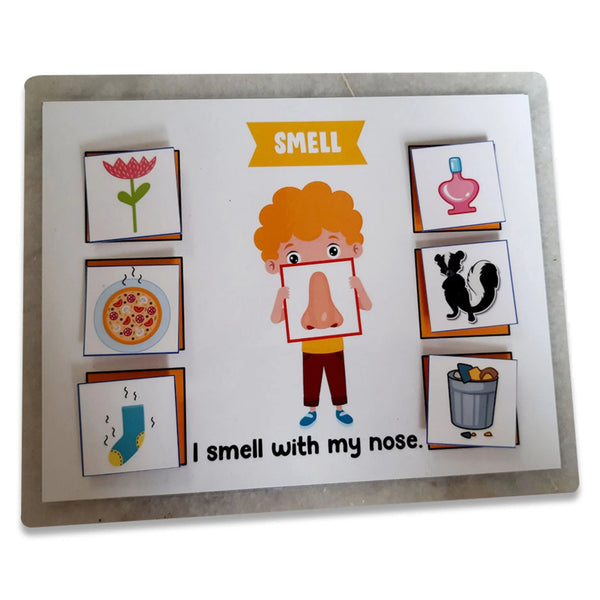
Sensory development is paramount during these formative years. Purposeful play provides rich, multi-sensory experiences crucial for building robust neural pathways. Toys and activities that engage touch, sight, sound, and even smell (like natural materials) help children understand their environment in a holistic manner. This consistent and varied sensory exposure refines their sensory processing abilities, which are foundational for reading, writing, attention, and overall learning.
Creating a Purposeful Play Space at Home: A Montessori Approach
Transforming even a small corner of your home into a dedicated, purposeful play zone doesn't require vast space, a common challenge in many Indian urban homes or joint family setups. The key is thoughtful organization, accessibility, and a 'less is more' approach, directly reflecting the principles of creating purposeful play space at home. A simple low shelf, easily accessible to your child, displaying a curated selection of just a few high-quality educational toys at a time, is an ideal start.
Regularly rotate the toys on display to maintain interest, prevent overwhelm, and encourage deeper engagement with each item. Focus on quality over quantity – fewer, well-chosen Montessori materials that offer varied challenges will engage a child far more profoundly than a large pile of disparate, overstimulating plastic items. Consider using a simple floor mat or a small, washable rug to define the play area, visually signaling it as a space for focused activity and respect for the environment, even if it's within a shared living space.
For engaging, age-appropriate activities that seamlessly integrate this philosophy into your home, explore SkilloToys' diverse range of activityKits. These thoughtfully designed kits provide structured yet open-ended play opportunities, perfect for encouraging independence, fostering problem-solving skills, and enhancing concentration. For a broader selection of foundational tools essential for every developmental stage, our comprehensive main collection of Montessori learning materials offers timeless choices designed for purposeful development, making it easy to build your home playscape.
Educational Toys for Sensory Development: Tools for Discovery
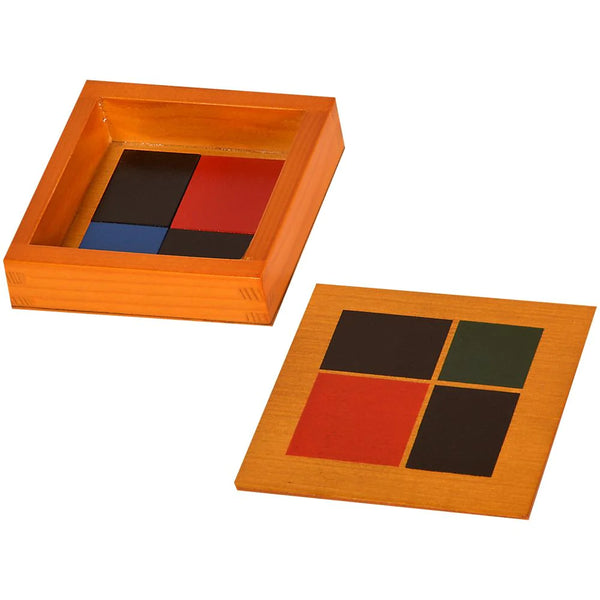
When selecting educational toys for sensory development, Montessori materials stand out for their deliberate design and pedagogical purpose. For instance, the iconic Pink Tower helps children discern varying dimensions through precise visual and tactile discrimination, enhancing not just visual acuity but also an understanding of sequence, order, and early mathematical concepts. Similarly, Sandpaper Letters provide a powerful multi-sensory experience for learning letter shapes by engaging touch, sight, and muscular memory simultaneously, leading to stronger, more embodied recall.
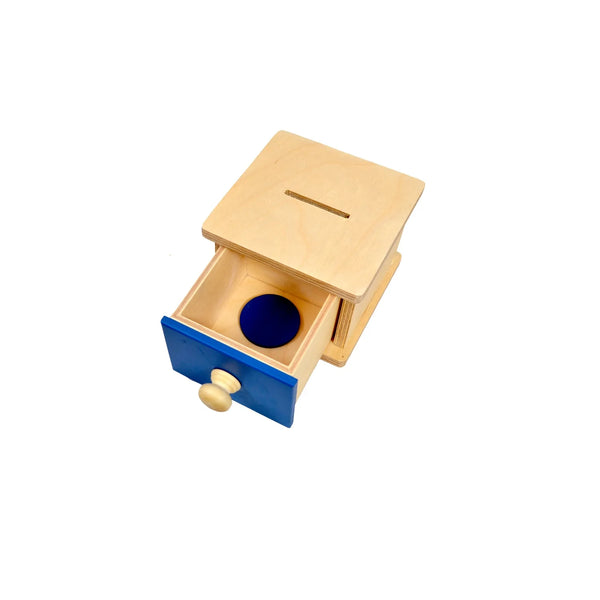
Beyond specific academic materials, practical life materials, such as pouring sets, tonging activities, dressing frames, or simple sorting trays, offer immense sensory and skill development. They refine fine motor skills, improve hand-eye coordination, and teach invaluable life skills like self-care, grace, courtesy, and tidiness. Furthermore, these activities inherently foster deep concentration, patience, and a sense of calm, crucial for a child's overall well-being and readiness for focused learning.
The inherent beauty and effectiveness of these materials lie in their self-correcting nature. Children can readily identify their own errors and learn from their discoveries without constant adult intervention or criticism. This self-directed learning builds profound self-confidence, cultivates an intrinsic love for exploring and mastering new tasks, and nurtures perseverance – qualities highly valued by Indian parents as children prepare for the academic rigours and competitive spirit often associated with schooling.
Embracing purposeful play in your home, much like the innovative spirit of Hyderabad's Playscape, offers a profound way to support your child's holistic development. By integrating Montessori principles and thoughtfully selected educational toys, you are not just providing playtime; you are cultivating a lifelong love for learning, independence, and critical thinking from the earliest years. Start today, and watch your child flourish.
- Purposeful play is intentional, child-led activity crucial for holistic development (0-5 years).
- Hyderabad's Playscape inspires creating enriching, Montessori-aligned play environments at home.
- Purposeful play enhances cognitive, sensory, and motor skills, building confidence and concentration.
- Thoughtfully curated Montessori educational toys are instruments for self-discovery and learning.
- Creating a purposeful play space at home involves organization, accessibility, and toy rotation.
- Sensory-rich Montessori materials like the Pink Tower aid in foundational skill development.
What is the difference between free play and purposeful play?
Free play is unstructured and spontaneous, allowing children complete freedom in their activities and choices. Purposeful play, while child-led, is intentionally designed or presented with a specific developmental objective in mind, guiding the child towards learning without direct instruction.
How can I start implementing purposeful play in a small Indian home?
Start by designating a small, accessible corner for play, using low shelves for a few carefully selected Montessori toys. Rotate toys regularly to keep the space fresh and engaging, ensuring it remains uncluttered and inviting for focused activity, even in compact urban homes or joint family settings.
What age is best for introducing Montessori purposeful play?
Montessori purposeful play can be introduced from birth, adapting activities to the child's developmental stage and growing capabilities. Even infants benefit immensely from simple sensory exploration with age-appropriate materials that encourage discovery, tracking, and early fine motor skill development.
Are Montessori toys expensive for Indian families?
While authentic Montessori materials represent an investment due to their quality and pedagogical design, SkilloToys offers a range of durable educational toys built for long-term use and child development. Investing in a few versatile pieces that grow with your child often proves more cost-effective and developmentally beneficial than purchasing numerous single-purpose plastic toys.
How does purposeful play help with school readiness in India?
Purposeful play develops critical skills such as sustained concentration, problem-solving abilities, refined fine motor control for writing, and foundational literacy and numeracy, all vital for school readiness. It fosters an intrinsic love for learning, independence, and resilience, equipping children with a strong foundation to navigate formal education and academic pressures confidently.