Sensory Garden at Home: Umang Vatika for All Kids 0-5
The recent opening of Safdarjung Hospital's Umang Vatika sensory garden has sparked important conversations across India about inclusive play and developmental support. While its primary aim is for children with disabilities, the garden's design principles offer profound insights into creating a stimulating sensory garden at home for *all* children, from newborns to five-year-olds. Research shows that rich, diverse sensory experiences are fundamental to every child's brain development, focus, and emotional health.
A sensory garden at home is a thoughtfully prepared environment designed to engage all of a child's senses – touch, sight, sound, smell, taste, movement (vestibular), and body awareness (proprioception). This matters because such environments foster natural curiosity, encourage independent exploration, and lay crucial foundations for learning. Indian parents can adapt Umang Vatika's spirit by incorporating Montessori principles and readily available materials into their homes, creating spaces where children thrive.
Umang Vatika's Wisdom: Designing a Sensory Rich Environment for All Kids
The innovation behind Umang Vatika isn't just about specialized equipment; it's about the philosophy of accessible, open-ended play. It's a space where children can freely interact with different textures like mud, engage with visual art installations, and explore through unrestricted movement. Child development experts agree that this kind of environment, often termed a 'prepared environment' in Montessori philosophy, is vital for holistic growth.
For children aged 0-5, every interaction is a learning opportunity. Just as the garden provides diverse sensory zones, a home environment can offer similar experiences. This doesn't require a large backyard; a corner in a living room, a balcony, or even a kitchen counter can become a vibrant learning space. The key is intentionality: providing materials that invite exploration and discovery, much like the thoughtfully designed elements within Umang Vatika.
Montessori Sensory Play for Every Child (0-5 Years): Bringing the Garden Indoors
Maria Montessori's philosophy, developed over a century ago, inherently champions sensory education. She observed that children learn best by doing, by manipulating real objects, and by engaging their senses directly. This approach aligns perfectly with the goals of a home sensory garden, offering practical avenues for Montessori sensory play for all kids.
Touch & Texture: Beyond Just Mud Play
Umang Vatika's mud pits highlight the deep human need for tactile experiences. At home, you can create a similar impact. For infants (0-12 months), a 'texture basket' with fabric scraps, soft wooden rings, and safe natural elements like large pebbles or smooth gourds can be fascinating. Toddlers (1-3 years) enjoy activity kits involving kinetic sand, water beads (under supervision), or simple water play tubs with cups and spoons. Montessori's textured tablets provide a more refined tactile experience, helping children differentiate textures like rough and smooth, preparing them for writing.
Sight & Sound: Engaging Little Explorers
Visual art installations and natural sounds are integral to sensory gardens. At home, consider a 'nature table' for children aged 2-5, displaying leaves, flowers, stones, or feathers collected during a walk. Mobiles above an infant's cot that move gently in the breeze stimulate visual tracking. For sound, simple DIY instruments like shakers filled with rice or lentils, or Montessori bells, introduce children to different tones and rhythms, fostering auditory discrimination.
Smell & Taste: Kitchen Adventures
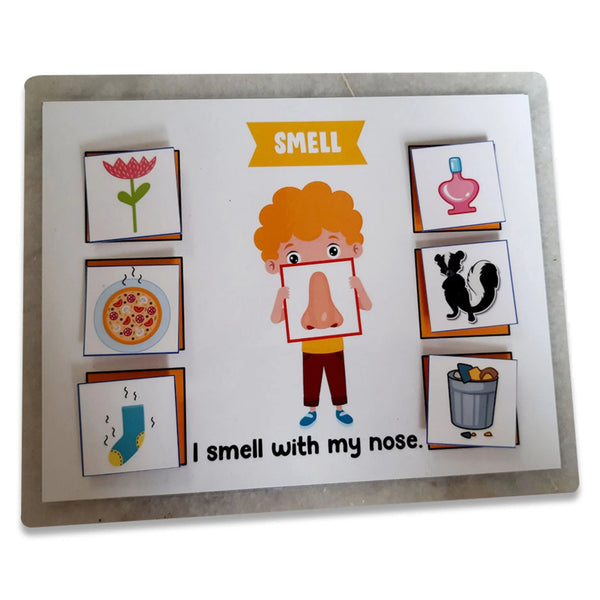
The kitchen is a natural sensory lab. For toddlers and preschoolers (2-5 years), a 'spice discovery' activity can involve small cloth bags filled with different Indian spices like cardamom, cinnamon, or cloves, encouraging them to identify scents. Under careful supervision, simple taste tests of fruits and vegetables introduce new flavours and textures. These activities are excellent for developing olfactory and gustatory senses, often overlooked in play.
Movement & Balance: The Foundation of Exploration
Sensory gardens are inherently designed for movement. Children are meant to run, climb, and explore. At home, even a small space can encourage gross motor development. For babies, tummy time and opportunities to crawl through tunnels (made from blankets) are crucial. Toddlers benefit from walking on a 'balance line' (a strip of tape on the floor), or a low, sturdy step stool for climbing practice. These activities provide essential vestibular (balance) and proprioceptive (body awareness) input, vital for coordination and confidence.
Creating Your DIY Sensory Garden at Home: Practical Tips for Indian Parents
Creating a truly enriching sensory environment doesn't demand expensive toys or vast spaces. It calls for intention and creativity, often using what's already around you. This makes DIY sensory activities for toddlers and preschoolers not just economical but also deeply personal.
Consider small, rotating 'sensory stations.' Perhaps a basket with different fabric scraps and ribbons one week, followed by a tray of dried lentils and small scoops the next. For many Indian families living in urban flats, space is a premium. Utilize vertical shelves, or designate a specific rug or mat as the 'sensory zone' that can be packed away. Grandparents, with their wealth of stories and traditional activities, can be wonderful partners in this, introducing children to folk songs with actions or describing the textures of their sarees.
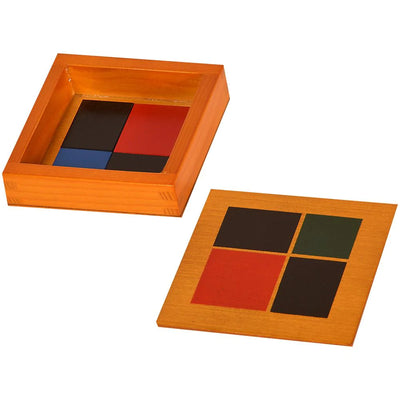
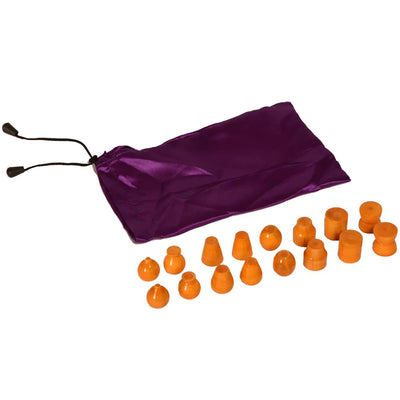
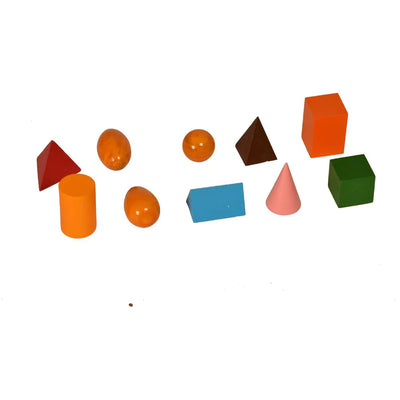
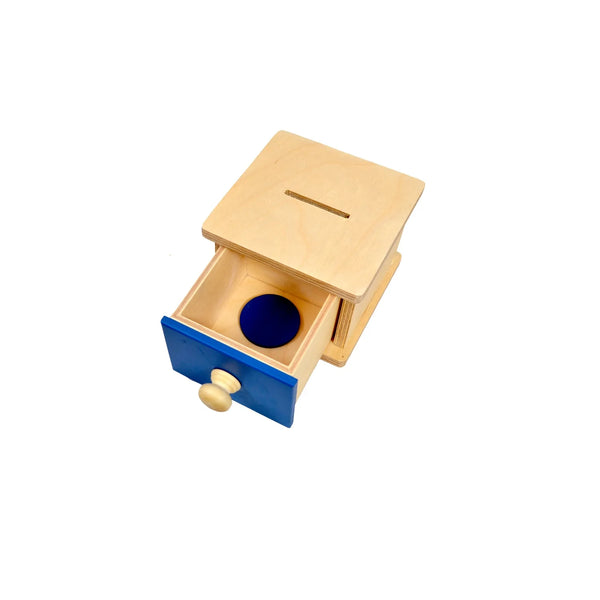
Investing in thoughtful educational tools can complement these DIY efforts. Montessori educational toys, such as those designed for fine motor skills or sensory discrimination, are perfect additions. For example, sorting trays with colourful beads or blocks enhance visual discrimination and fine motor control. Remember, the goal is not to overwhelm, but to offer a curated selection that encourages focused, independent play and exploration. This approach helps create a sensory rich environment that adapts the visionary principles of Umang Vatika for every child in every Indian home, fostering growth, curiosity, and joy from 0 to 5 years.