Sensory Park for Children with Disabilities: Home Play Inspiration
The Safdarjung Hospital's redesigned sensory park for children with disabilities serves as a powerful inspiration for creating inclusive sensory play environments at home, particularly for children aged 0-5 years. By showcasing accessible design and varied sensory experiences, it demonstrates how Indian parents can adapt principles of structured, engaging play using Montessori educational toys to foster crucial developmental skills in their children, regardless of physical or cognitive challenges.
The recent news from "The Better India" highlighting this innovative park at Safdarjung Hospital underscores a growing national commitment to accessible spaces for every child. This initiative mirrors the spirit of widespread educational reforms and inclusive approaches, seen in movements like EuroKids celebrating India's Independence Day with large preschool events, and UBIKA Learning's plans for nature-inspired preschools. It's a testament to the belief that every child deserves opportunities for holistic development.
What is Inclusive Sensory Play at Home?
Inclusive sensory play at home involves creating an environment where children with diverse abilities, including disabilities, can safely explore and interact with stimuli that engage their senses. This matters because it directly supports cognitive, social, and emotional development by providing tailored experiences. Indian parents can achieve this by selecting appropriate Montessori educational toys and adapting everyday spaces.
Understanding the Power of a Sensory Park for Children with Disabilities
A sensory park offers a rich, multi-sensory experience designed to stimulate and engage children through various textures, sounds, sights, and movements. For children with disabilities, such parks provide a controlled yet expansive environment for safe exploration and interaction, often missing in conventional playgrounds. Safdarjung's thoughtful redesign exemplifies how purposeful spaces can significantly impact a child's developmental journey.
Research shows that access to varied sensory input is crucial for brain development in early childhood, especially for children with disabilities, improving their ability to process information and interact with their environment. These experiences help children develop better body awareness, coordination, and the ability to self-regulate. Creating such rich environments, even on a smaller scale at home, is invaluable.
Why Inclusive Sensory Play Matters for Early Childhood (0-5 Years)
For children aged 0-5 years, the brain undergoes rapid development, forming neural pathways that influence future learning and behaviour. Inclusive sensory play during this critical period is not just about fun; it's fundamental for building foundational skills. It provides opportunities for children to make sense of the world around them, enhancing their perceptual abilities and fostering curiosity.
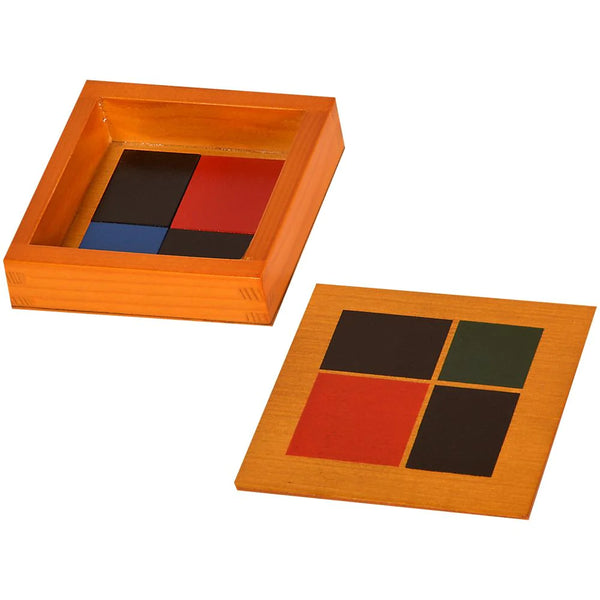
Maria Montessori's philosophy deeply emphasizes sensory education, believing that children learn best through direct interaction with their environment. Her materials are meticulously designed to isolate qualities, allowing children to focus on specific sensory attributes like weight, texture, or sound. This methodical approach is particularly beneficial for children with special needs, offering clarity and structure in their learning journey.
Bringing Safdarjung's Vision Home: Inclusive Sensory Play with Montessori Toys
The core lesson from Safdarjung Hospital's park is that inclusive design prioritizes accessibility and diverse sensory engagement. Parents in India can translate this vision into their homes, creating inviting sensory corners and activities using Montessori principles. The focus shifts from merely playing to purposeful exploration and learning.
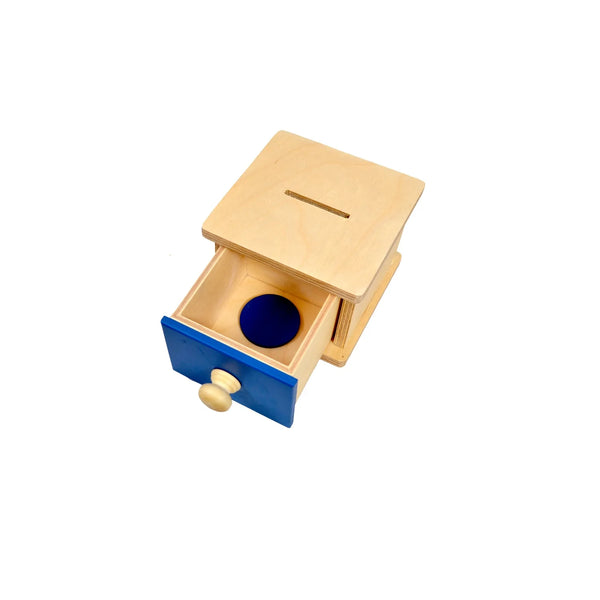
Studies indicate that children engaged in structured sensory play using age-appropriate materials demonstrate improved fine motor skills, problem-solving abilities, and communication. Montessori toys, known for their tactile nature and self-correcting features, are ideal for this. They allow children to learn at their own pace, reinforcing positive learning experiences.
Adaptive Play for Disabilities: Choosing the Right Montessori Materials
Adapting Montessori materials for children with disabilities involves selecting items that match their unique needs and developmental stage, fostering independent exploration. For instance, children with visual impairments benefit from high-contrast materials or those with distinct textures and sounds, like sound cylinders or fabric baskets with different weaves.
For those with fine motor challenges, larger knobs on puzzles or chunky blocks can provide easier manipulation. Activity kits with varied sensory elements—like sand, water, or playdough—offer open-ended opportunities for tactile exploration. The goal is to present materials in a way that minimizes frustration and maximizes engagement, allowing every child to succeed.
Creating a Safe & Engaging Sensory Corner at Home
Setting up a dedicated sensory corner doesn't require vast space, a common consideration in many Indian homes, especially in joint family setups. A cozy rug, soft lighting, and easily accessible shelves for materials can transform a small area into an inviting haven. Ensure the space is clutter-free and safe, with no sharp edges or small parts that could be a choking hazard for younger children.
Consider incorporating elements like a textured mat, a basket of different fabrics, or a sensory bottle filled with glitter and water. These simple additions can provide a calming and stimulating environment. Remember to rotate materials regularly to maintain interest and introduce new sensory experiences, keeping the child engaged and curious.
Fostering Sensory Development Activities for Children with Disabilities
Engaging children with disabilities in sensory development activities at home can be both simple and profound. Water play, using tubs with floating objects or different-sized containers, is excellent for tactile exploration and understanding concepts like full/empty. Sand play, even with kinetic sand indoors, provides rich proprioceptive feedback.
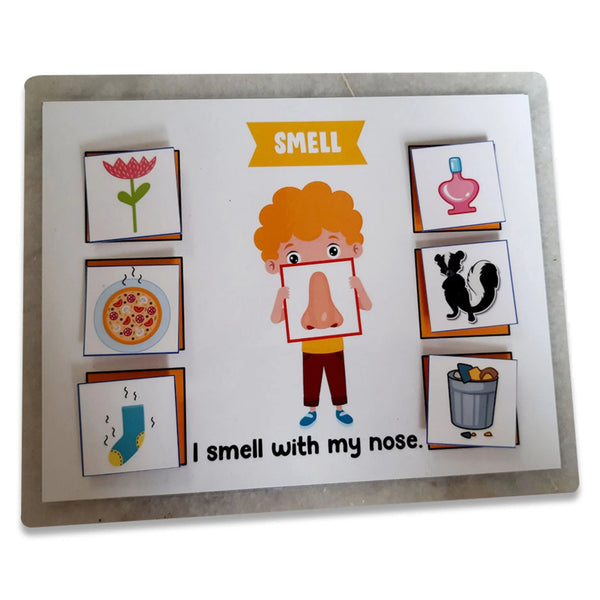
Simple sorting activities with brightly coloured beads, pom-poms, or natural materials like stones and leaves can enhance visual discrimination and fine motor skills. Encourage sound exploration with homemade shakers or musical instruments. These activities, rooted in Montessori principles, are designed to be hands-on and self-directed, empowering children to learn through discovery.
Embracing the spirit of Safdarjung Hospital's innovative sensory park, we can truly empower our children with disabilities by creating similar enriching environments right in our homes. By thoughtfully selecting Montessori educational toys and adapting activities, Indian parents can provide a foundation for sensory development, fostering independence, confidence, and a lifelong love for learning.
- Safdarjung Hospital's sensory park inspires creating inclusive home play for children with disabilities.
- Inclusive sensory play supports crucial cognitive, social, and emotional development for children aged 0-5.
- Maria Montessori's sensory education principles are highly effective for children with special needs.
- Adaptive play involves selecting and presenting Montessori materials to suit individual abilities.
- Simple home sensory corners, even in small spaces, can significantly boost a child's development.
- Consistent, engaging sensory activities foster independence and self-regulation skills in young children.
What is a sensory park and why is it beneficial for children with disabilities?
A sensory park is a specially designed play area that stimulates children's senses through various textures, sounds, sights, and movements. It is beneficial for children with disabilities as it provides a safe, accessible, and controlled environment for exploration, enhancing their sensory processing, motor skills, and social interaction.
How can Montessori toys be adapted for children with special needs at home?
Montessori toys can be adapted by selecting materials that cater to specific sensory or motor needs, such as larger-handled puzzles for fine motor challenges or high-contrast items for visual impairments. Presenting fewer items at a time and providing clear, simple instructions can also enhance accessibility and engagement for children with special needs.
What are some practical tips for creating a sensory play area in a small Indian home?
In a small Indian home, create a sensory play area by designating a small, clutter-free corner with a soft mat and low, accessible storage for materials. Utilize vertical space with wall-mounted activity boards and ensure materials are rotated regularly to maintain interest. Focus on quality over quantity, choosing versatile items that offer multiple sensory experiences.
How does inclusive sensory play support cognitive and emotional development in young children with disabilities?
Inclusive sensory play supports cognitive development by helping children process sensory information, develop problem-solving skills, and understand cause and effect. Emotionally, it fosters self-regulation, reduces anxiety through calming activities, and builds confidence as children successfully interact with their environment and master new skills.
What age-appropriate sensory activities can I introduce for my 0-5 year old with disabilities?
For 0-5 year olds, introduce activities like water play with floating toys, tactile exploration with varied textures (fabrics, playdough), and sound exploration with simple instruments or shakers. Visual tracking activities with lights or contrasting colours are also beneficial. Always tailor activities to your child's specific abilities and interests, ensuring safety first.