Wooden Puzzles for Kids: Boost Sensory & Cognitive Skills (0-5 Years)
Research shows that wooden puzzles for kids aged 0-5 years are powerful tools for holistic development, profoundly boosting sensory and cognitive skills by engaging children in hands-on problem-solving, enhancing fine motor control, and fostering critical thinking. These Montessori-inspired materials provide concrete experiences essential for early childhood brain architecture, helping to shape well-rounded learners from a young age.
For Indian parents navigating the early years of their child's development, understanding the profound impact of play is crucial. Just as initiatives like 'Umang Vatika' at Safdarjung Hospital highlight the importance of play for all children, embracing purposeful toys like wooden puzzles in our homes can significantly nurture growth.
What are Montessori Wooden Puzzles?
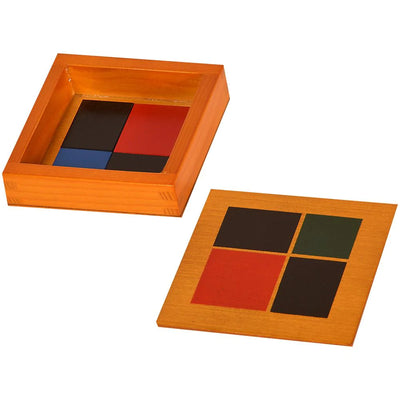
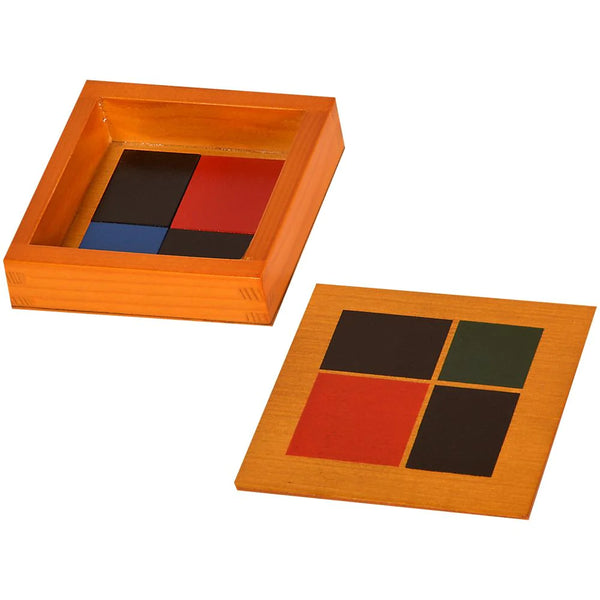
Montessori wooden puzzles are meticulously crafted educational toys designed to isolate concepts, encourage self-correction, and foster independence. This matters because they offer a tangible way for children to explore shapes, sizes, and sequences, laying foundational skills for academics. Indian parents can integrate these puzzles into daily play to support their child's natural learning curiosity.
Enhancing Sensory Perception: Touch, Sight, and Sound
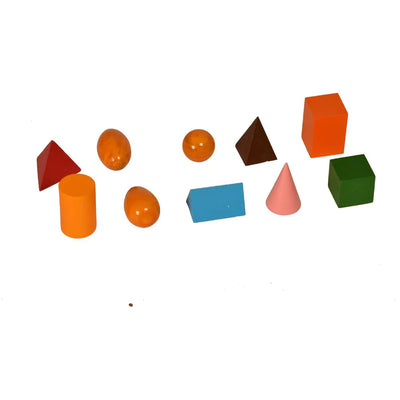
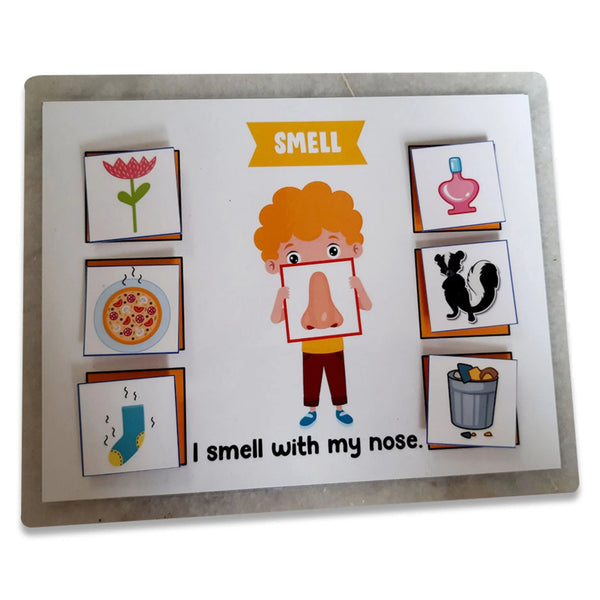
Child development experts agree that engaging multiple senses is paramount for a child's early learning. Wooden puzzles, with their distinct textures, natural colours, and satisfying clunk as pieces fit, offer a rich sensory experience. Children learn to differentiate shapes by touch, match vibrant hues by sight, and even hear the sound of success when a piece finds its place.
This multi-sensory engagement strengthens neural connections in the brain. For instance, a child handling a smooth wooden circle versus a textured triangle is not just playing; they are building a nuanced understanding of their environment. This foundational sensory input is crucial for developing spatial awareness and discrimination.
Developing Fine Motor Skills and Hand-Eye Coordination
The act of manipulating puzzle pieces is a powerful exercise for developing fine motor skills and hand-eye coordination, essential abilities for tasks ranging from self-feeding to eventually writing. Children learn to grasp, turn, and place pieces with precision, often using the refined pincer grip.
Studies indicate that regular engagement with manipulative toys like puzzles can improve dexterity and fine motor control by up to 30% in preschoolers, crucial for writing readiness. These repetitive, precise movements strengthen the small muscles in their hands and fingers, preparing them for the demands of school, much like preparing for a festival by meticulously arranging decorations.
Boosting Cognitive Growth: Problem-Solving and Logic
Wooden puzzles are not merely about fitting shapes; they are mini-challenges that foster critical cognitive development. As children work through a puzzle, they engage in problem-solving, trial-and-error, and logical reasoning. They learn to identify patterns, understand cause and effect, and develop strategies to achieve their goal.
Research from cognitive science indicates that early exposure to problem-solving tasks, such as puzzles, significantly enhances a child's executive functions, including working memory, attention, and cognitive flexibility, skills vital for academic success. Maria Montessori believed in presenting children with materials that challenge them appropriately, allowing them to construct their own understanding of the world.
Fostering Concentration and Patience in Young Learners
In our bustling Indian homes, where joint families thrive and festivities abound, finding moments of focused play can be a treasure. Wooden puzzles provide an excellent opportunity for children to develop sustained concentration and patience. The intrinsic reward of completing a puzzle encourages them to persist through challenges, building resilience.
This ability to focus intently on a task, even a simple one, is a cornerstone of Montessori education and a skill invaluable for future learning. It teaches children the satisfaction of achieving a goal through sustained effort, a lesson that transcends the playroom and applies to all aspects of life, including navigating the academic pressures often faced in Indian schools.
Selecting the Right Montessori Wooden Puzzles for Your Child (0-5 Years)
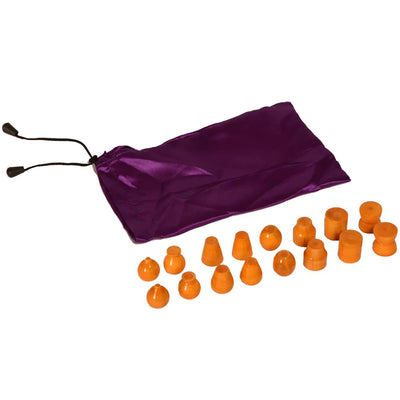
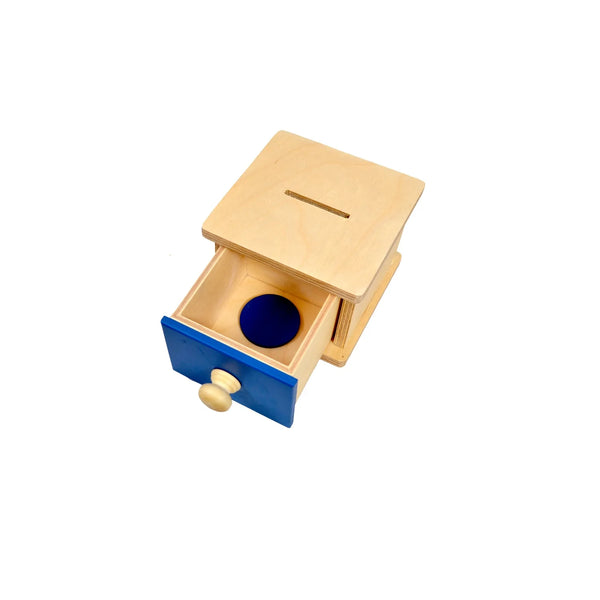
Choosing age-appropriate puzzles is key to maximizing developmental benefits and keeping children engaged. For babies (0-1 year), simple knob puzzles with 1-3 large, distinct shapes are ideal, focusing on grasping and object permanence. As they grow (1-2 years), progress to shape sorters and basic peg puzzles.
For toddlers (2-3 years), introduce multi-piece puzzles with interlocking pieces or thematic puzzles that tell a story. Preschoolers (3-5 years) can tackle more complex layer puzzles, geographic puzzles, or those with a higher piece count, enhancing their spatial reasoning and problem-solving. Explore our wide range of Montessori learning materials at SkilloToys.com.
Integrating Puzzles into Daily Play: An Indian Parent's Guide
Making puzzles a natural part of your child's routine doesn't require elaborate setups. Create a dedicated 'play corner' in your home, perhaps near the family living area, where puzzles are easily accessible on a low shelf. Encourage grandparents to join in, turning puzzle time into a beautiful intergenerational bonding activity, much like sharing traditional stories.
Remember the 'Urban95 Pune project's' focus on creating child-friendly environments – this extends to your home. Offer puzzles as a calming activity after a busy day or a focused engagement before meals. Pair them with other enriching activities from our activity kits to provide a well-rounded play experience. The key is consistent, unhurried engagement.
- Wooden puzzles for kids aged 0-5 are foundational for holistic sensory and cognitive development.
- Montessori wooden puzzles enhance fine motor skills and hand-eye coordination essential for writing.
- These puzzles significantly boost cognitive functions like problem-solving, logic, and spatial reasoning.
- Engaging with puzzles helps children develop crucial concentration and patience.
- Selecting age-appropriate wooden puzzles ensures optimal developmental benefits for young learners.
At what age should I introduce wooden puzzles to my child?
You can introduce simple wooden puzzles, such as single-shape or knob puzzles, to children as early as 6-12 months. These early puzzles focus on basic grasping and object permanence, laying the groundwork for more complex problem-solving as they grow.
How do wooden puzzles help with fine motor skills?
Wooden puzzles are excellent for fine motor development as children learn to grasp knobs, manipulate pieces, and fit them into designated spaces. This repetitive action strengthens finger muscles and refines the pincer grip, which is crucial for future skills like writing and self-feeding.
Are Montessori wooden puzzles different from regular puzzles?
Yes, Montessori wooden puzzles are specifically designed with educational principles in mind, often isolating a single concept (like shape or size) and featuring self-correcting mechanisms. This design empowers children to learn independently, fostering a sense of accomplishment without adult intervention.
What kind of cognitive benefits do puzzles offer for toddlers?
For toddlers, puzzles offer significant cognitive benefits including improved problem-solving skills, spatial reasoning, and logical thinking. They learn about trial and error, sequencing, and part-to-whole relationships, which are foundational for mathematical and scientific understanding.
How can I encourage my child to play with wooden puzzles?
Create an inviting, quiet space for puzzle play and offer puzzles that are appropriate for your child's developmental stage, avoiding frustration. Model how to do the puzzle a few times, then allow them to explore independently, offering encouragement rather than direct solutions. Celebrating their small successes is key.