Wooden Puzzles for Kids: Montessori Sensory & Skill Boost
Wooden Puzzles for Kids: Montessori Sensory & Skill Boost for Ages 0-5
Wooden puzzles for kids, especially those rooted in Montessori philosophy, are foundational for holistic development in children aged 0-5 years. These beautifully crafted educational tools significantly enhance sensory perception, refine fine motor skills, and ignite cognitive growth, providing a hands-on learning experience that goes beyond mere entertainment. They are a must-have for every Indian home nurturing young minds.
Montessori Wooden Puzzles are purposeful educational tools designed to engage a child's natural curiosity and aid development through self-directed activity. This matters because such focused play builds foundational skills like concentration and problem-solving. Indian parents can integrate these puzzles to provide a rich, independent learning environment at home, preparing children for future academic success and life skills.
The Power of Tactile Exploration: Sensory Puzzles for Toddlers
Research shows that sensory experiences are critical for brain development in early childhood. Montessori wooden puzzles, with their varying textures, weights, and shapes, provide rich tactile input, making them exceptional Montessori learning materials. A child's fingers explore the smooth, rough, or contoured surfaces, sending vital information to the brain and building neural pathways.
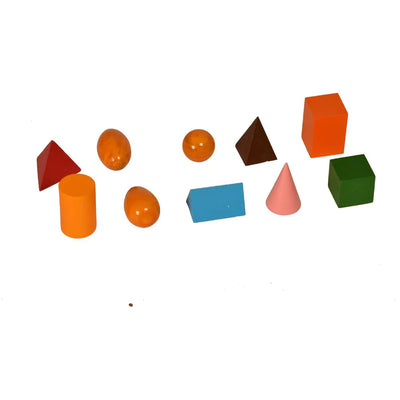
This tactile engagement is particularly important for toddlers in bustling Indian households, where children are constantly absorbing new information. Holding a chunky wooden animal puzzle piece or feeling the different geometric shapes allows them to distinguish properties like size, form, and weight. Such focused sensory play aids in distinguishing objects without relying solely on sight, a skill that enhances overall perception and cognitive mapping.
Refining Precision and Dexterity: Fine Motor Skill Puzzles
Child development experts agree that puzzles are unparalleled for developing fine motor skills. The act of grasping a knob, lifting a piece, and carefully placing it into its corresponding slot requires precision and control. This seemingly simple action strengthens the small muscles in the hand and wrist, which are crucial for tasks like holding a pencil, buttoning clothes, and self-feeding.
From the delicate pincer grasp needed for small knobbed puzzles to the steady hand required for fitting larger shapes, activity kits featuring puzzles offer a progressive challenge. For Indian parents eager to prepare their little ones for preschool, mastering these fine motor skills through engaging play ensures a smooth transition to classroom activities and promotes independence, echoing the joy seen in initiatives like Safdarjung Hospital's 'Umang Vatika' that prioritize inclusive play for developmental growth.
Cognitive Boost: Educational Wooden Puzzles Benefits for Early Learning
Beyond sensory and motor skills, wooden puzzles are powerful cognitive development tools. They introduce fundamental concepts such as problem-solving, spatial reasoning, and logical thinking. As a child attempts to fit a piece, they are engaging in trial-and-error, observing patterns, and developing strategies – critical intellectual processes.
Studies indicate that regular puzzle play enhances memory and concentration. A child must remember where pieces belong and focus on the task at hand to complete the puzzle. This sustained attention span is invaluable for learning, laying the groundwork for more complex academic challenges later, and aligning with the growing emphasis on quality early education highlighted by announcements like UBIKA Learning's plan for nature-inspired preschools across India.
Choosing the Right Challenge: Puzzles for 0-5 Year Olds
Selecting age-appropriate puzzles ensures optimal engagement and learning. For babies (0-1 year), large, single-piece wooden puzzles with big knobs are perfect for initial grasping and exploration. As they grow into toddlers (1-3 years), simple shape sorters and 2-3 piece insert puzzles introduce matching and spatial awareness.
For preschoolers (3-5 years), more complex multi-piece puzzles, layered puzzles, or thematic puzzles with familiar objects or scenes become engaging. These provide opportunities for storytelling, vocabulary building, and more intricate problem-solving. Always ensure the puzzles are made from non-toxic materials and are free from small, detachable parts to guarantee safety.
Fostering Independence and Confidence with Montessori Principles
Maria Montessori's philosophy champions self-directed learning and independence. Wooden puzzles perfectly embody this, offering a 'control of error' that allows children to correct their mistakes without adult intervention. This self-correction builds resilience, problem-solving skills, and a strong sense of accomplishment.
Completing a puzzle, even a simple one, fills a child with immense pride and boosts their self-esteem. This feeling of mastery encourages them to tackle new challenges with confidence. In a joint family setting, grandparents often cherish watching their grandchildren engage in such focused play, celebrating each small victory.
Conclusion: The Enduring Value of Wooden Puzzles
Wooden puzzles are far more than just toys; they are essential instruments for a child's holistic development, particularly from 0 to 5 years. They lay critical foundations for sensory processing, fine motor control, and cognitive abilities, nurturing independent, confident, and capable learners.
By thoughtfully integrating high-quality wooden puzzles into your child's play routine, you are investing in their future success and well-being. SkilloToys.com offers a curated selection of Montessori-inspired wooden puzzles designed to captivate young minds and support their journey of discovery and growth.
- Montessori wooden puzzles are crucial for holistic development in kids 0-5.
- They naturally develop fine motor skills, precision, and hand-eye coordination.
- Sensory exploration through touch, sight, and sometimes sound is paramount.
- Puzzles foster cognitive skills like problem-solving, concentration, and spatial reasoning.
- Choosing age-appropriate wooden puzzles supports independent learning and confidence.
- These toys offer tangible benefits for preschool readiness and overall brain development.
What age should a child start playing with wooden puzzles?
Children can typically start engaging with simple wooden puzzles, like single-piece knobbed puzzles, as early as 8-12 months. As they grow, around 18-24 months, they can progress to 2-3 piece puzzles, gradually increasing complexity with age.
How do Montessori wooden puzzles help with sensory development?
Montessori wooden puzzles stimulate multiple senses through their natural textures, varied shapes, and vibrant colours. This tactile and visual engagement helps children understand different properties of objects, refining their sensory discrimination and awareness.
Are wooden puzzles better than plastic ones for toddlers?
Yes, child development experts agree that wooden puzzles often offer superior benefits for toddlers compared to plastic ones. Wood provides a natural, tactile experience, is more durable, and aligns better with Montessori principles of connecting children with natural materials and promoting focus.
Which types of puzzles are best for fine motor skill development?
Puzzles featuring knobs, pegs, or chunky pieces are ideal for developing fine motor skills and the pincer grasp in young children. These designs require precise hand and finger movements, strengthening muscles essential for writing and self-care activities later on.
How can I choose the right wooden puzzle for my child's age?
When choosing a wooden puzzle, consider your child's developmental stage and interests, not just their chronological age. For younger children (0-2 years), opt for simple shape sorters or single-piece knobbed puzzles; for toddlers (2-3 years), 2-4 piece insert puzzles; and for preschoolers (3-5 years), layered puzzles or those with more intricate designs.