Wooden Toys for Kids: Sensory Superpowers for 0-5 Years
Wooden toys for kids significantly enhance sensory development by offering rich tactile experiences, natural scents, and satisfying sounds that engage multiple senses, fostering critical brain connections from birth to five years. These natural materials provide a calming, grounded play experience essential for holistic growth in young children, a principle deeply rooted in Montessori education.
As parents in India, we constantly seek the best for our little ones, from nutritious food to stimulating play. Amidst the array of vibrant, often electronic, toys, the humble wooden toy stands out, not for its flashiness, but for its profound impact on a child's developing senses and overall well-being. Child development experts increasingly highlight the unique advantages of natural materials in early childhood.
What is Sensory Play?
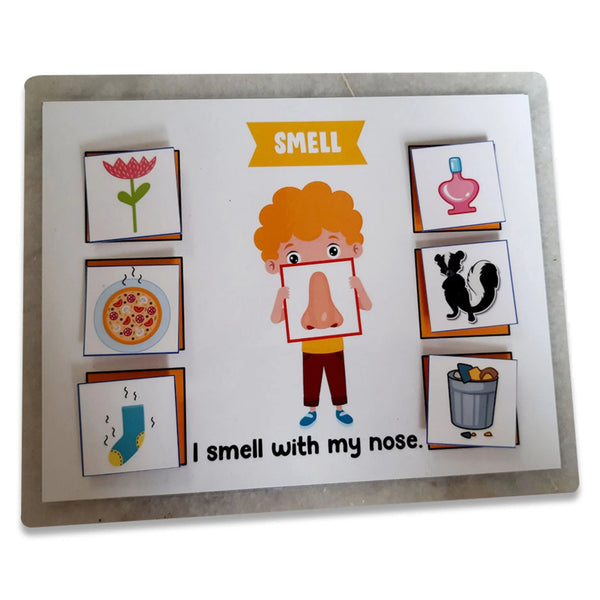
Sensory play involves any activity that stimulates a child's senses: touch, smell, taste, sight, hearing, balance, and body awareness. This matters because it builds crucial neural pathways, supporting cognitive, social, emotional, and motor skill development. Indian parents can easily integrate sensory play using everyday items and natural toys, fostering crucial developmental milestones for their infants and toddlers.
Sensory Wooden Toys: Engaging Every Sense Naturally
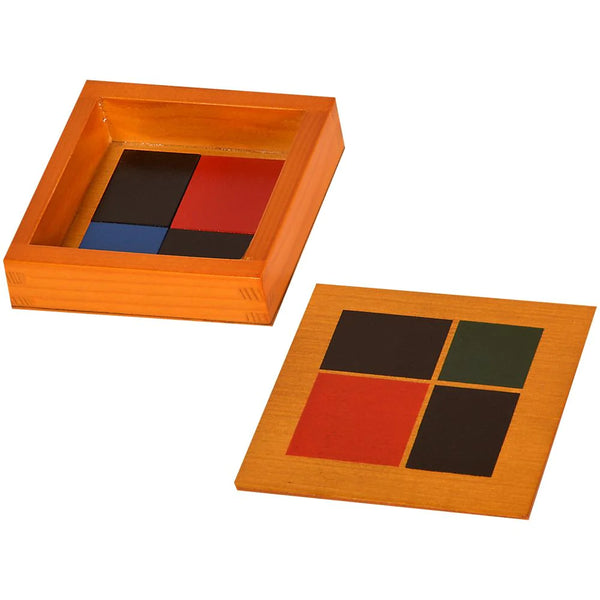
The beauty of sensory wooden toys lies in their simplicity and the wealth of multi-sensory information they provide. Unlike many plastic alternatives that often feel uniform and synthetic, wood offers diverse textures: smooth, rough, grainy, warm, or cool. Imagine Meera, a 2-year-old in Bengaluru, running her fingers over a polished wooden block versus a bumpy, unfinished piece – each sensation sparks new neural connections.
Studies indicate that children engaged in open-ended play with natural materials exhibit higher levels of creativity and problem-solving skills compared to those primarily using single-purpose toys. The varying weights of wooden toys provide proprioceptive input, helping children understand spatial awareness. This deep engagement promotes a grounded, focused play experience, a welcome contrast to the often overstimulating digital environment our children navigate, much like the calming play promoted in initiatives like Urban95 Pune.
Even the subtle, earthy scent of wood, often overlooked, contributes to a child's olfactory development. The satisfying 'clunk' of wooden blocks falling, or the gentle rattle of a wooden shaker, offers auditory feedback that is distinct and natural, supporting auditory processing without overwhelming loud electronic sounds. This holistic sensory engagement is a cornerstone of Montessori education, where materials are chosen to appeal to the senses and promote self-correction.
Benefits of Wooden Toys for Holistic Brain Development
Beyond immediate sensory input, the benefits of wooden toys extend to cognitive, emotional, and physical development. Maria Montessori, a pioneer in early childhood education, championed natural, simple materials for a reason. Her method relies on children learning through direct experience and exploration, and wooden toys perfectly facilitate this.
Research consistently shows that engaging with simple, natural toys encourages children to use their imagination more actively. When a wooden block can be a phone, a car, or food for Dadi's dolls, the child is the architect of their play. This fosters creativity, narrative skills, and problem-solving. This imaginative play is crucial for developing executive functions like planning and critical thinking, skills increasingly important as children face academic pressures later on.
Furthermore, the manipulation of wooden items—stacking, balancing, grasping—hones fine motor skills and hand-eye coordination. These foundational skills are not only vital for everyday tasks but also prepare children for writing and other academic endeavors. The durability of wooden toys means they withstand years of enthusiastic play, often becoming cherished heirlooms passed down through joint families, connecting generations through play.
Wooden Play for Toddlers & Beyond: Practical Tips for Indian Homes
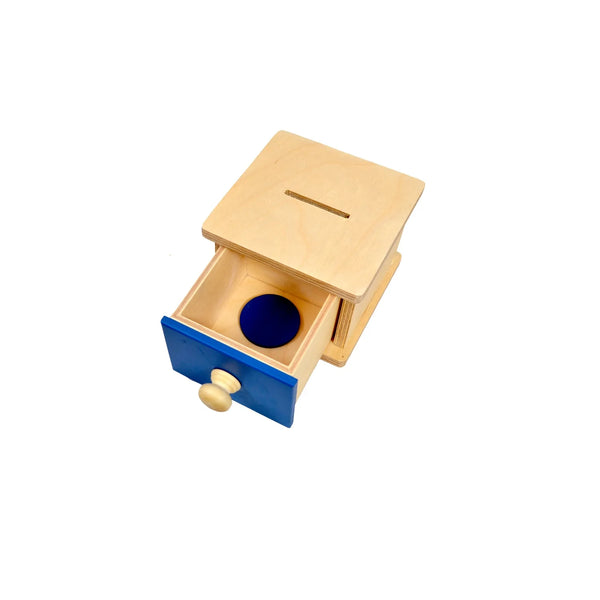
Introducing wooden play for toddlers into your home is simpler than you might think, even in smaller urban flats where space is a premium. Start with a few versatile pieces like wooden blocks, stacking rings, or a simple pull-along toy. These are excellent for children aged 18-24 months, offering varied sensory input and promoting early problem-solving.
Consider integrating activity kits made from wood that encourage open-ended play, rather than toys with a single function. This allows the child to direct their own learning. For instance, a set of wooden fruits and vegetables can be used for pretend cooking during festival preparations or for learning about healthy eating, aligning with cultural contexts and everyday life.
When selecting toys, look for those promoting tactile sensory play, such as textured wooden shapes or puzzles. Prioritizing eco-friendly toys not only benefits the planet but also ensures safer, non-toxic materials for your child. SkilloToys.com offers a range of high-quality Montessori method learning materials and toys designed for lasting play and development.
In a world often saturated with fleeting digital entertainment, providing children with natural, tangible experiences through wooden toys is a powerful choice. It's an investment in their sensory development, creativity, and overall well-being, giving them the 'sensory superpowers' they need to thrive in a complex world. As the American Academy of Pediatrics emphasizes, hands-on, unplugged play is fundamental for healthy brain development in early childhood.