Importance of Early Childhood Development (1-3 Years)
The importance of early childhood development (1-3 years) cannot be overstated; it fundamentally shapes a child's future success, impacting cognitive, social, and emotional growth. As India focuses on 'early investment in children' as a key to the nation's future, parents are increasingly empowered to lay robust foundations for their little ones. Research consistently shows that experiences during these critical years profoundly influence lifelong learning abilities and well-being.
What is Early Childhood Development?
Early childhood development encompasses the holistic growth of a child from birth to age eight, focusing intensely on the 1-3 year period. This matters because children develop foundational cognitive, motor, social, and emotional skills during these formative years. Indian parents can actively support this by providing a stimulating, nurturing, and responsive environment, encouraging exploration and learning.
Critical Years for Child Development: Brain Growth & Cognitive Foundations
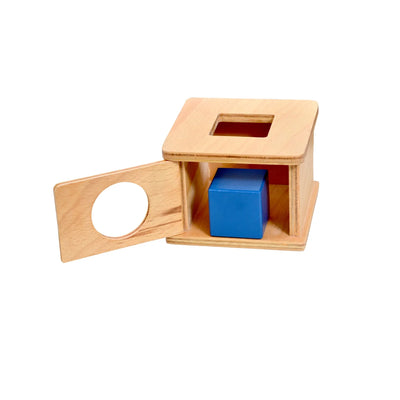
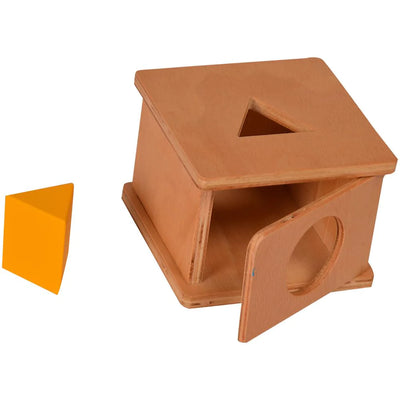
The period between one and three years old marks an explosive phase of brain development, making it one of the most critical years for child development. During this time, billions of neural connections form, laying the groundwork for language, problem-solving, and memory. Child development experts agree that rich sensory experiences and interactive play during these years significantly boost cognitive capacity. For instance, a toddler engaging with stacking blocks or sorting shapes isn't just playing; they are building spatial awareness and logical reasoning skills. Studies indicate that children with strong cognitive foundations established early on often exhibit better academic performance and adaptability later in life.
In Indian homes, where joint families often provide a vibrant, multi-generational environment, toddlers benefit immensely from varied interactions. Grandparents sharing traditional stories, cousins playing together, or participating in simple household chores (like helping arrange rangoli patterns) all contribute to this rich cognitive tapestry. Providing age-appropriate Montessori materials, such as the pink tower or knobbed cylinders, offers structured opportunities for these critical developmental leaps, fostering concentration and fine motor skills.
Investing in Toddler's Future: Nurturing Social-Emotional Intelligence
Beyond academics, investing in toddler's future means cultivating their social and emotional intelligence, skills vital for navigating life's complexities. Between 18 and 36 months, children begin to understand emotions, develop empathy, and learn to interact with peers and adults. This period is crucial for forming secure attachments and developing self-regulation. A child who learns to share a toy with a sibling or express their frustration verbally, rather than through a tantrum, is building essential social skills.
In the Indian context, where festivals like Diwali or Holi involve communal celebrations, toddlers learn about social customs and emotional expression firsthand. The emphasis on family values and respectful interactions, often modeled by elders, helps shape their understanding of social norms. Providing opportunities for cooperative play and guided conflict resolution helps toddlers build resilience and empathy. Encouraging independent choices within safe boundaries, a core Montessori principle, also empowers them to develop a sense of agency and self-confidence.
Embracing the Montessori Approach Early Years for Holistic Growth
The Montessori approach early years offers a uniquely powerful framework for nurturing holistic toddler growth. Dr. Maria Montessori observed that children from 1-3 years possess an "absorbent mind," soaking up information from their environment effortlessly. This method emphasizes self-directed activity, hands-on learning, and collaborative play within a carefully prepared environment. Rather than direct instruction, children learn by doing, at their own pace. This empowers them to develop intrinsic motivation and a lifelong love for learning.
For Indian parents, integrating Montessori principles can be seamless. Simple practical life materials like pouring beans, buttoning frames, or sweeping with a small broom, help develop coordination, concentration, and a sense of responsibility. These activities also subtly integrate children into family routines, mirroring the values of self-reliance and contribution prevalent in many Indian households. The focus on freedom within limits fosters discipline and independence, preparing them not just for school but for life itself.
Holistic Toddler Growth India: Building Foundations for Lifelong Success
Fostering holistic toddler growth India requires acknowledging the interplay of physical, cognitive, social, and emotional domains. A child's physical development, from gross motor skills like running and climbing to fine motor skills like holding a crayon, directly impacts their ability to explore and learn. Simultaneously, their language acquisition during these years – often learning multiple regional languages in India – expands their cognitive horizons exponentially. The UNICEF report highlighting India's sustained progress in reducing child deaths underscores the increasing focus on ensuring comprehensive well-being from the earliest stages.
Investing in these years sets a trajectory for future academic achievement, career success, and personal well-being. It is about equipping children with the adaptability and critical thinking necessary to thrive in a rapidly changing world. By providing a stimulating environment, access to quality educational resources, and consistent loving guidance, Indian parents are not just raising children; they are nurturing future leaders and innovators. This foundational investment aligns with national initiatives recognizing the pivotal role of early childhood in women-led development and overall societal progress, as highlighted by India's discussions at the UN.
- The 1-3 year age range is a critical period for brain development, forming billions of neural connections.
- Early investment in cognitive, social, and emotional skills significantly impacts a child's future academic and life success.
- The Montessori approach, with its focus on self-directed learning and prepared environments, is highly effective for toddler development.
- Holistic growth during toddler years builds resilience, problem-solving skills, and empathy.
- Studies show children with strong early childhood foundations exhibit better adaptability and learning outcomes.
- Engaging toddlers with age-appropriate sensorial materials enhances sensory discrimination and fine motor skills.
Why is the 1-3 year period so crucial for development?
The 1-3 year period is crucial because it marks a phase of rapid brain development and neural connection formation. During these years, children acquire foundational cognitive, social, emotional, and motor skills that profoundly influence their lifelong learning and well-being.
How does the Montessori approach benefit toddlers in India?
The Montessori approach benefits Indian toddlers by fostering independence, concentration, and self-directed learning through hands-on activities. It aligns well with cultural values of self-reliance and community participation, preparing children for academic and life success within a nurturing environment.
What specific skills develop most significantly between 1-3 years?
Between 1-3 years, children experience significant development in language acquisition, gross and fine motor skills, social interaction, and emotional regulation. They begin to form sentences, walk and run confidently, understand and express emotions, and engage in more complex imaginative play.
Can investing in early childhood truly impact future career success?
Yes, investing in early childhood development significantly impacts future career success by building critical skills like problem-solving, adaptability, communication, and emotional intelligence. These foundational abilities are highly valued in any profession and contribute to lifelong learning and achievement.
What role do Indian family environments play in toddler development?
Indian family environments, particularly joint families, offer a rich tapestry of social interaction, language exposure, and cultural learning that profoundly supports toddler development. Grandparents and extended family members often provide diverse stimuli and emotional support, contributing to holistic growth and value assimilation.