Montessori Activities for Toddler Independence India at Home
As the early summer sun begins to climb higher, bringing with it the familiar warmth across India, many parents are looking for engaging, indoor activities to keep their energetic toddlers busy. It's a precious, intense time – watching our little ones transform from dependent infants to curious explorers between the ages of one and three.
We understand the modern Indian parent's juggle: balancing the aspirations for our child's independence with the warmth of a joint family, the demands of urban life in a compact apartment, and the desire to provide the best without succumbing to endless screen time. The quest for meaningful engagement that supports development is real.
This is where Montessori activities for toddler independence India, utilizing everyday household items, comes as a practical and powerful solution. It's about empowering your child to do things for themselves, fostering their innate drive to learn and contribute, right within the comfort of your Indian home.
Montessori-inspired activities for independence are structured, child-led tasks designed to develop practical life skills, concentration, and self-confidence in young children. This approach works by providing a prepared environment where toddlers can safely explore and master skills at their own pace. Parents can facilitate this by observing their child's interests and offering age-appropriate materials and guidance.
Indian Montessori at Home: Cultivating Self-Reliance
The Montessori philosophy beautifully aligns with many traditional Indian values, emphasizing respect for the child, practical contribution to the household, and a strong connection to one's environment. While modern parenting can sometimes lean towards 'doing everything for the child,' Montessori encourages a gentle shift, allowing children to participate actively in daily life.
This 'Indian Montessori at home' approach isn't about expensive imported materials; it's about seeing the potential in common items and chores. It helps counter the pervasive pressure for early academics by focusing on holistic development – building a confident, capable individual ready for any challenge, be it school or life.
Montessori with Household Items India: Practical Life Skills for 1-3 Years
Before starting any activity, ensure the area is safe, clean, and free from distractions. Supervise closely, especially with smaller items, and remember that the goal is participation and effort, not perfection. Here are some engaging DIY toddler activities India parents can set up with minimal fuss:
Dal Transfer: Fine Motor Fun
- Materials: Two small steel katoris (bowls), a spoon (child-friendly size), a handful of masoor dal or chana dal.
- Steps: Place the dal in one katori. Show your toddler how to scoop the dal with the spoon and transfer it carefully to the empty katori.
- Benefits: Develops fine motor skills, hand-eye coordination, concentration, and pincer grip. It's a wonderful exercise in control.
Chapati Dough Kneading: Sensory Exploration
- Materials: A small portion of atta (wheat flour), a tiny amount of water, a small plate or patla.
- Steps: Give your toddler a small lump of dough and let them mimic your kneading movements. They can roll it, pat it, and feel the texture.
- Benefits: Excellent for sensory development, strengthening hand muscles, and gross motor skills. It connects them to a fundamental part of Indian cooking.
Clothes Pegging/Folding: Daily Chores as Play
- Materials: A few small pieces of cloth (e.g., handkerchiefs, baby wipes), 3-4 clothes pegs (the clip-type are easier for tiny hands), a small basket.
- Steps: Show your child how to clip a cloth onto a string or the edge of a basket. You can also demonstrate simple folding.
- Benefits: Enhances fine motor skills, hand strength, concentration, and introduces the concept of helping with household chores.
Button & Zip Practice: Self-Dressing Skills
- Materials: An old shirt or kurta with large buttons, or a small bag/pillowcase with a sturdy zip.
- Steps: Guide your toddler's fingers through the motions of unbuttoning/buttoning or zipping/unzipping. Start with just one or two actions.
- Benefits: Fosters self-dressing skills, develops finger dexterity, and problem-solving abilities.
Pouring Water: Concentration and Control
- Materials: Two small steel tumblers/glasses, a small jug filled halfway with water, a tray to catch spills.
- Steps: Demonstrate pouring water from the jug into one tumbler, then from one tumbler to another. Encourage slow, deliberate movements.
- Benefits: Builds concentration, control, precision, and understanding of cause and effect. It's one of the quintessential toddler independence games.
Vegetable Washing/Sorting: Kitchen Helper
- Materials: A small bowl of water, a child-safe vegetable brush (optional), a few sturdy vegetables (e.g., potatoes, carrots, capsicums), an empty bowl.
- Steps: Show your child how to gently scrub a vegetable in the water, then place it in the empty bowl. You can also sort vegetables by colour or size.
- Benefits: Sensory exploration, practical contribution to meal prep, classification skills, and vocabulary building.
Encouraging Independence Safely
Creating a 'prepared environment' doesn't mean transforming your entire home. It means making specific areas or items accessible and safe for your toddler. For example, keeping a low shelf with their chosen activity items, or a child-sized broom for sweeping. Always supervise these activities, especially with children between 1 and 3 years old, to ensure safety and provide gentle guidance when needed.
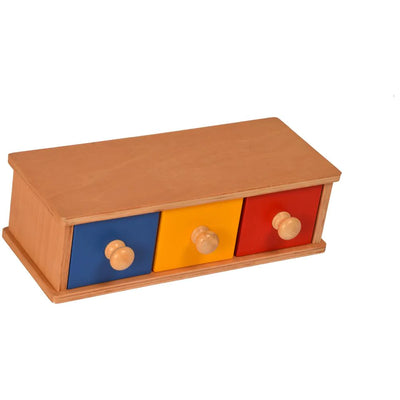
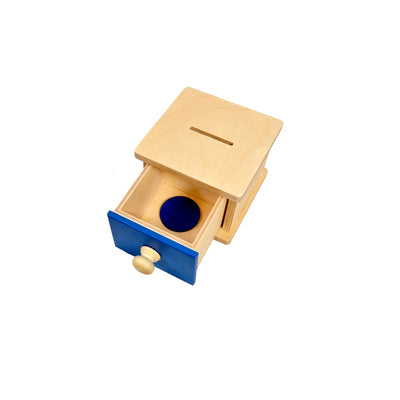
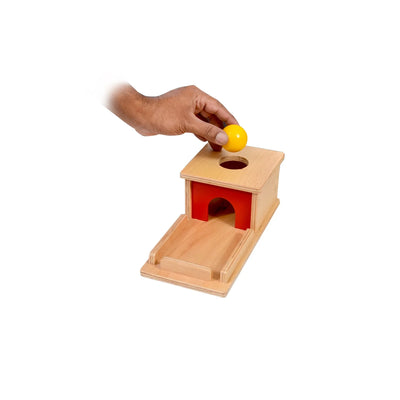
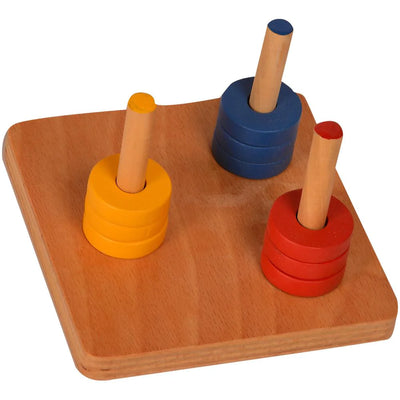
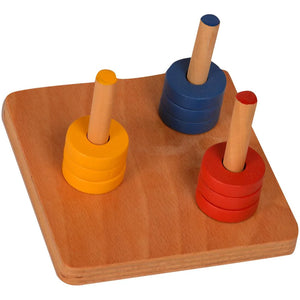
While these DIY ideas are incredibly enriching, sometimes dedicated tools can provide a more focused learning experience. Our Montessori toddler collection offers a range of high-quality materials designed specifically for developing these crucial practical life skills safely and effectively.
Beyond the Activities: Nurturing a Spirit of Independence
True independence extends beyond structured activities. It's about inviting your toddler into the fabric of daily life. Let them choose their clothes (from a limited selection), help set the dinner table with unbreakable steel plates, or water the potted plants on the balcony.
Praise their effort, not just the outcome. If the dal spills, show them how to clean it up together. This teaches resilience and problem-solving. For developing fine motor skills crucial for tasks like buttoning, tools like a dressing frame or a lacing activity set can provide focused practice. To further enhance sorting and practical life skills, consider exploring a child-sized kitchen helper or a sturdy wooden sorting tray, which can be found in our comprehensive range.
Key Takeaways for Fostering Toddler Independence in India:
- Montessori principles can be easily adapted using common Indian household items.
- Focus on practical life skills that mirror daily family routines.
- Prepare a safe, accessible environment for independent exploration.
- Prioritize observation and gentle guidance over direct intervention.
- Celebrate effort and allow for natural consequences (like cleaning up spills).
- Combine DIY activities with purposeful Montessori materials for comprehensive development.
Frequently Asked Questions About Toddler Independence & Montessori
How can I start Montessori activities at home with a toddler?
Begin by observing your child's interests and readiness. Choose one simple activity, like transferring dal or pouring water, and introduce it calmly. Demonstrate slowly without speaking much, then invite your child to try. Focus on safety and allowing them to explore at their own pace.
What are some simple DIY toddler activities for independence in India?
Excellent DIY activities include dal transfer using katoris, kneading atta dough, helping fold small clothes like handkerchiefs, buttoning an old kurta, and pouring water between steel tumblers. These use readily available household items and resonate with everyday Indian life.
How does Montessori help with practical life skills for 1-3 year olds?
Montessori activities are specifically designed to break down practical tasks (like dressing, cleaning, preparing food) into manageable steps. This helps 1-3 year olds develop fine motor skills, coordination, concentration, and a sense of accomplishment, empowering them to contribute to their environment.
Are Montessori activities just for independent play, or can parents join in?
While the goal is independent concentration, parents play a crucial role in presenting activities and modeling the steps. After the initial demonstration, parents should observe and be available for support, but allow the child to engage independently. Joint participation in household chores can also be very enriching.
How can I ensure safety during Montessori activities with household items?
Always choose non-toxic, child-safe items. Ensure there are no choking hazards for children under 3. Supervise all activities closely, especially those involving water or small objects. Keep the activity area clean and free of unnecessary clutter.
Embracing Montessori-inspired activities with everyday Indian household items is a wonderful way to nurture your toddler's burgeoning independence. It's a journey of discovery for both of you, fostering confidence, capability, and a deep sense of belonging within the family. So, gather your katoris and atta, and embark on this empowering path to self-reliance with your little one this summer!