Screen Time Impact on Toddler Development: Montessori Guide
The significant screen time impact on toddler development in India is a growing concern, as highlighted by a recent Indian Express report detailing how toddlers are missing key developmental milestones. This trend underscores an urgent need for practical strategies to safeguard early childhood development. SkilloToys offers a Montessori-aligned approach, empowering Indian parents to bridge this gap with engaging alternatives and fostering holistic growth.
Research shows that excessive screen exposure in the crucial 1-3 year age range directly hinders cognitive, social-emotional, and physical development. Parents often seek guidance on how to reduce screen time for toddlers India, especially in busy urban households or multi-generational family settings. The Montessori philosophy provides a robust framework to address this, focusing on hands-on learning and a thoughtfully prepared environment.
Screen Time Impact on Toddler Milestones: An Indian Concern
Child development experts agree that the early years are foundational for brain development, making the insights from the Indian Express report particularly alarming. It indicates a clear correlation between increased screen time and delays in crucial toddler milestones screen time affects, such as language acquisition, fine motor skills, and social interaction. For instance, toddlers who spend hours passively watching screens often exhibit reduced eye contact and difficulty engaging in reciprocal play.
In many Indian homes, screens have become a default babysitter, especially with busy parents and the pervasive availability of smartphones and tablets. However, this convenience comes at a cost to a child's natural exploratory drive. Studies indicate that even background screen noise can disrupt a child’s concentration and reduce the quality of parent-child interactions, which are vital for healthy development.
Understanding the Montessori Philosophy for Early Childhood Development
Montessori's approach to healthy early childhood development in India emphasizes a 'prepared environment' rich in sensory experiences and opportunities for purposeful activity, rather than passive consumption. This philosophy, pioneered by Dr. Maria Montessori, asserts that children are intrinsically motivated learners who thrive when given freedom within limits. This matters because it directly counters the passive nature of screen time by promoting active engagement.
For Indian parents seeking to foster independence and concentration, the Montessori method offers a powerful alternative. It encourages hands-on exploration with tangible materials, supporting natural learning rhythms. This direct engagement helps children develop focus, coordination, and problem-solving skills, which are often stunted by excessive screen exposure.
Practical Montessori Alternatives to Screen Time for Toddlers in Indian Homes
Reducing screen time for toddlers in India requires intentionality and engaging alternatives that cater to a child's developmental needs. Montessori provides a treasure trove of activities that captivate young minds and promote skill-building. For example, involving toddlers in everyday household tasks, known as Practical Life activities, offers immense developmental benefits. Simple tasks like pouring water, sweeping with a child-sized broom, or folding clothes develop fine motor skills, concentration, and a sense of responsibility.
Sensorial exploration is another powerful alternative. Materials such as the Pink Tower or sorting different grains and pulses (common in Indian kitchens) engage a child’s senses, refining their ability to discriminate and categorize. These activities provide rich, tactile experiences that screens cannot replicate. SkilloToys offers a wide range of Montessori practical life materials and sensorial materials that are perfect for creating these engaging environments at home.
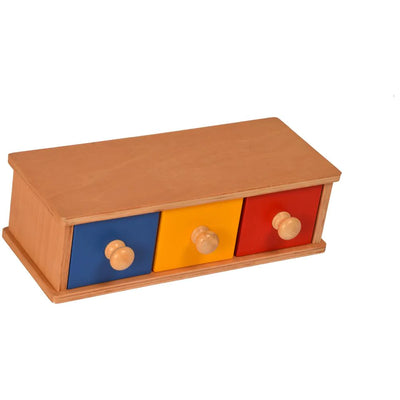
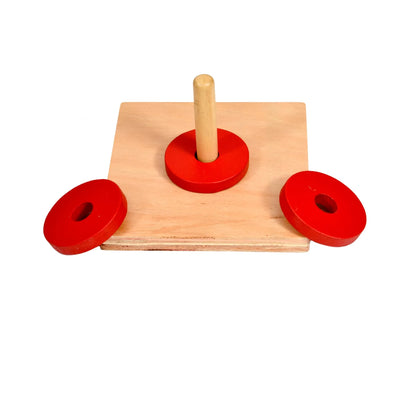
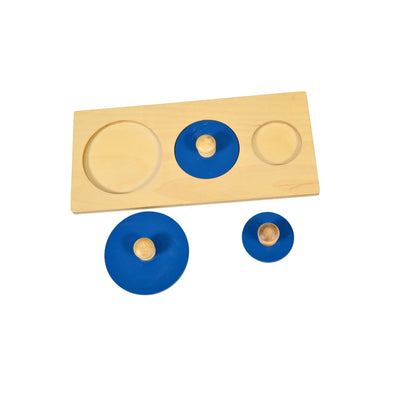
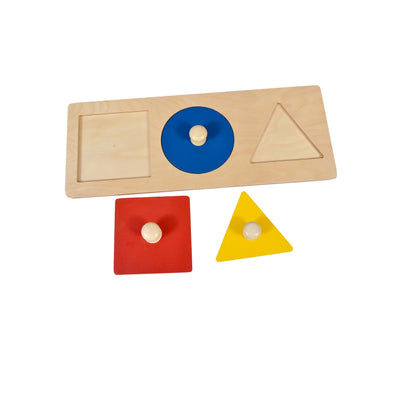
Language development, often hindered by screens, flourishes through interactive reading and storytelling. Encourage grandparents to share traditional tales or sing lullabies. Offering age-appropriate puzzles, stacking toys, and block sets also serves as fantastic alternatives to screen time toddlers can truly benefit from. These activities foster creativity, spatial reasoning, and problem-solving in a way that is far superior to digital consumption.
Creating a Screen-Free 'Prepared Environment' at Home
Implementing montessori activities for screen time reduction starts with intentionally designing your home environment. Designate specific 'yes' spaces where children can freely explore and engage with open-ended materials. This might be a corner in the living room with low shelves holding puzzles, art supplies, and a basket of books, easily accessible to your toddler.
Establish clear, consistent boundaries around screen use for the entire family, not just the toddler. This includes making meal times and playtime screen-free. Involve the whole family, including grandparents, in understanding the importance of limiting screens and actively participating in screen-free activities. This collaborative approach reinforces positive habits and creates a supportive environment for your child's optimal growth. Regular routines incorporating outdoor play, creative arts, and quiet reading time also significantly reduce the reliance on screens.
- Excessive screen time in toddlers (1-3 years) directly correlates with delays in crucial developmental milestones.
- The Montessori philosophy advocates for a 'prepared environment' rich in hands-on, purposeful activities as a superior alternative to screen exposure.
- Practical Life activities, sensorial exploration, and interactive storytelling are effective Montessori strategies to reduce screen time.
- Child development experts recommend minimal to no screen time for children under 2 years, with strict limits for older toddlers.
- Creating designated screen-free zones and establishing consistent family rules are essential for successful screen time reduction in Indian households.
- Montessori educational toys empower toddlers to develop concentration, fine motor skills, and problem-solving abilities naturally.
What is the recommended screen time for toddlers (1-3 years)?
Child development experts, including the American Academy of Pediatrics, strongly recommend zero screen time for children under 18 months, except for video calls. For toddlers aged 18-24 months, very limited, supervised screen time with high-quality educational content is suggested, while for 2-5 year olds, less than one hour per day is the guideline.
How does screen time specifically affect language development in toddlers?
Excessive screen time significantly impacts language development by reducing opportunities for real-world interaction and conversation. Toddlers learn language best through back-and-forth communication with caregivers, which screens cannot replicate, leading to delays in vocabulary acquisition and speech clarity.
Can Montessori toys effectively replace screen time for young children?
Yes, Montessori toys are specifically designed to engage toddlers in hands-on, self-directed learning, making them excellent alternatives to screen time. Materials like practical life sets, sensorial tools, and block sets foster concentration, fine motor skills, and problem-solving, directly supporting healthy development.
How can Indian joint families manage screen time for toddlers across different generations?
Open communication and establishing clear, consistent family rules are crucial for managing screen time in joint families. Grandparents and other caregivers benefit from understanding the developmental impact of screens, and involving them in screen-free activities with the child can foster connection while promoting healthy habits.
What are immediate steps parents can take to reduce screen time for their toddler?
Parents can start by designating screen-free zones and times, replacing screen time with engaging, hands-on activities. Creating a 'prepared environment' with accessible toys, reading together, and involving toddlers in simple household tasks are effective immediate steps to reduce screen time.