Creative Activities for Emotional Development: A Montessori Guide
In Indian homes, where children are often encouraged to be polite and agreeable, finding channels for expressing complex emotions is crucial. Indeed, creative activities for emotional development are recognised by child development experts as fundamental for helping children articulate what they feel. As highlighted in recent reports, including The Times of India, creative activities provide a vital outlet for young minds to navigate their inner worlds, fostering resilience and self-awareness.
Creative play for emotional development is a child-led process where imagination, art, and role-playing become tools for processing feelings. This matters deeply because it allows children, particularly from ages 18 months to 6 years, to externalise difficult emotions they might not yet have words for. Indian parents can facilitate this by offering open-ended materials and a supportive environment.
Fostering Emotional Intelligence with Montessori Play
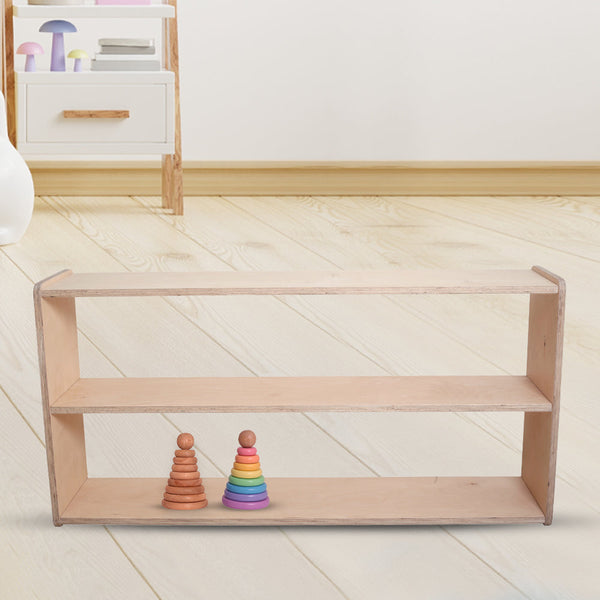
The Montessori philosophy offers a powerful framework for cultivating emotional intelligence in kids activities. Maria Montessori believed that a prepared environment, rich with purposeful materials, empowers children to develop independence, concentration, and self-regulation—all foundational to emotional maturity. For instance, a child mastering a complex puzzle learns perseverance, a critical emotional skill.
Research consistently shows that environments supporting a child's autonomy significantly enhance their emotional well-being. By allowing children the freedom to choose activities and work uninterrupted, Montessori classrooms and homes foster a sense of control that helps them manage big feelings. This approach helps children understand their reactions and develop constructive responses, rather than merely suppressing emotions.
Practical Creative Activities for Emotional Expression at Home
Creating opportunities for Montessori emotional expression doesn't require elaborate setups; it requires intention and a few key materials. Parents can help children open up emotionally by integrating simple, creative practices into daily routines, transforming everyday spaces into hubs for self-discovery.
Art as a Language for Feelings
Art provides a non-verbal vocabulary for children. Offer various art supplies like crayons, watercolours, or clay, and simply invite your child to 'draw how your day felt' or 'create a picture of a happy moment.' The intense focus as a child carefully mixes colours or sculpts a figure allows for deep emotional processing. The vibrant blues might depict calm, while energetic reds could express excitement or even frustration.
Encourage children to name their creations or describe what they've made, linking the visual to verbal expression. This process is particularly effective for children who struggle to put feelings into words, providing a bridge between their internal experience and external communication. Explore various activity kits that encourage open-ended art exploration, allowing for genuine, unfiltered emotional release.
Role-Playing and Puppet Play: Stepping into Emotions
Imaginative play is a powerful arena for children to explore social dynamics and emotional responses. Setting up a 'pretend' tea party or a 'doctor's office' allows children to act out scenarios they've experienced or observed. Puppet play, in particular, offers a safe distance for children to project their own feelings onto characters, helping them process fear, anger, or sadness in a playful context.
Observe how your child assigns emotions to their puppets or characters. A puppet yelling might signal frustration the child feels but can't express directly. Join in, offering gentle prompts like, 'What does the bear puppet feel right now?' This validates their emotional exploration without making it about them directly, which can be less intimidating for a shy child.
Observing & Guiding: The Parent's Role in Play for Emotional Development
In the Montessori tradition, the adult's role is to be a keen observer. When it comes to play for emotional development, this means watching your child's engagement, noting their expressions, and listening to their narratives during play. For parents in joint families, this observation might involve understanding how different interactions with grandparents or cousins influence a child's emotional landscape.
Instead of immediately asking, 'Why are you angry?', try acknowledging what you see: 'I notice your drawing has very strong lines, almost like it's feeling energetic today.' This validates the emotion without demanding an explanation, teaching children that all feelings are acceptable. Child development experts agree that a non-judgmental response helps children build trust and feel safe in expressing their authentic selves.
Beyond Screens: Prioritising Imaginative Play for Emotional Well-being
In an age dominated by screens, the Deccan Chronicle recently highlighted the critical importance of play in a screen-filled childhood. This rings especially true for social emotional learning activities. Unlike passive screen time, open-ended creative play demands active engagement, problem-solving, and imaginative thinking—all crucial for developing emotional resilience.
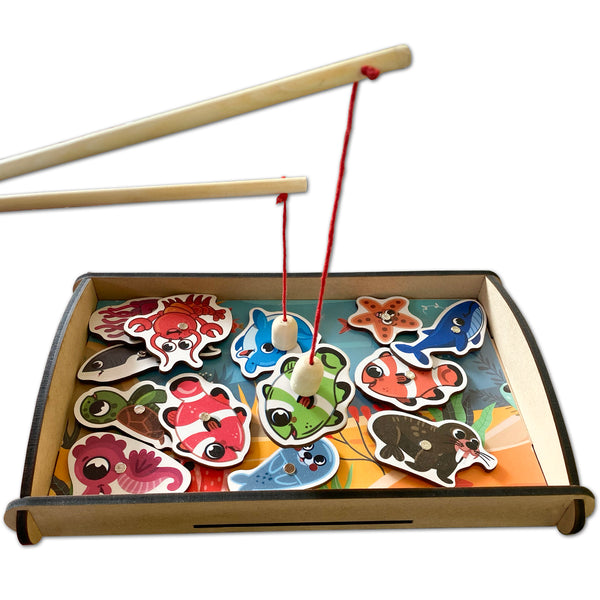
Limiting screen time creates space for children to engage with the physical world and their inner thoughts, allowing for genuine emotional processing. Offer simple, beautiful wooden toys or art supplies that invite children to create their own stories and worlds. These materials encourage the child to be the 'doer' and the 'thinker,' fostering deep emotional and cognitive growth that screens cannot replicate.