Montessori Art Supplies: Sparking Hands-On Creativity
Choosing high-quality Montessori art supplies is fundamental for nurturing a child's hands-on creativity and imagination, providing the essential tools for self-expression and skill development. Research shows that open-ended materials foster deeper cognitive engagement than prescriptive activities, allowing children to discover their unique artistic voice. For Indian parents, this means moving beyond simple coloring books to embrace materials that invite genuine exploration.
The recent emphasis on 'hands-on creativity' in discussions around brands like Crayola, as seen at events in Mumbai, underscores a widespread desire among parents to move beyond screens. While traditional craft kits offer structured fun, Montessori principles guide us toward materials that truly empower the child as the artist, not just a follower of instructions. This is crucial as studies from institutions like the American Academy of Pediatrics consistently highlight the importance of play in a screen-filled childhood.
What are Montessori Art Supplies?
Montessori art supplies are simple, high-quality, and open-ended materials designed to encourage a child's innate creativity, concentration, and independence through self-directed exploration. This approach matters because it values the process of creation over the final product, allowing children to develop critical thinking and problem-solving skills. Indian parents can adopt this by selecting art materials that invite personal expression without pre-determined outcomes.
Beyond the Lines: Fostering True Imagination with Art Supplies for Kids
Many Indian homes are familiar with coloring books and craft kits that promise "creativity." While these have their place, child development experts agree that true imagination art activities flourish when children are given freedom and quality materials. Consider Aanya, a spirited five-year-old in Bengaluru. Her grandmother gifted her a beautiful coloring book, but Aanya quickly lost interest after filling in a few pages, craving something more personal.
The challenge for parents often lies in distinguishing between activities that merely occupy a child and those that genuinely ignite their inner world. When children are constantly given outlines to fill or steps to follow, their creative muscle, which thrives on making choices and solving problems, doesn't get the rigorous workout it needs. This is where the philosophy of Montessori, championed by Dr. Maria Montessori, offers a transformative perspective.
Choosing Creative Art Materials: Principles for Independent Play
Selecting creative art materials for your child isn't about buying the most expensive or the most abundant. It's about intention. SkilloToys advocates for materials that are:
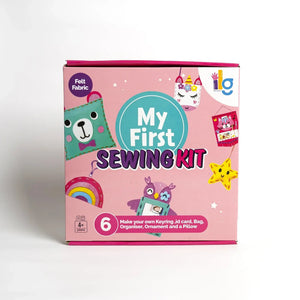
- Open-Ended: Does the material allow for infinite possibilities, or does it lead to a single, pre-determined outcome? Plain paper, clay, or a set of paints are wonderfully open-ended, unlike a craft kit designed to make one specific item.
- Child-Sized and Real: Just as adults use real tools, children benefit from art supplies that are appropriately sized and functional. Small paintbrushes, sturdy crayons, and real clay give children a sense of competence and control, promoting fine motor skills and concentration.
- High-Quality and Durable: Flimsy materials frustrate children and teach them that art is disposable. Investing in good quality Montessori art supplies, like vibrant watercolors or durable sculpting clay, shows respect for the child's work and ensures the materials last. This also implicitly teaches children to value their tools and creations.
- Limited in Quantity: Overwhelm can stifle creativity. Offering a curated selection of materials encourages focus and deeper engagement with each item. For instance, instead of a box of 64 crayons, a smaller set of 12 high-quality primary and secondary colors might be more inviting and less distracting.
Essential Montessori Art Supplies for Every Indian Home
Imagine young Rohan, a three-year-old in a joint family in Pune, exploring art freely in his small corner. What materials would best serve his growing imagination?
Paper: Forget the character-filled notebooks. Large, plain sheets of white or colored paper, various textures, and different sizes are ideal. This blank canvas truly invites expression. You can find excellent quality paper in our activity kits.
Crayons and Pastels: Opt for thick, break-resistant crayons or natural beeswax blocks that fit comfortably in a toddler's hand. These promote a strong grip and allow for broad strokes or detailed work as they grow. They're excellent for developing fine motor control.
Paints and Brushes: Non-toxic watercolors or tempera paints are fantastic. Provide a few good quality brushes of varying sizes. Water play with paints is also a sensory delight and can lead to wonderful imagination art activities. Consider washable paints for easy cleanup in Indian households, especially during festival preparations when every surface gets a splash of color!
Clay or Dough: A staple for hands-on creativity kids, modeling clay or homemade playdough offers endless possibilities for sculpting, pinching, rolling, and squeezing. It strengthens hand muscles, encourages sensory exploration, and is profoundly calming. This material supports complex problem-solving as children transform abstract ideas into tangible forms.
Scissors: Child-safe scissors (blunt-tipped) and paper scraps are excellent for developing hand-eye coordination and fine motor skills. Start with simple snipping, then move to cutting lines and shapes. This prepares children for tasks like helping with craft decorations during Diwali.
Nature's Treasures: Don't underestimate the power of natural elements! Leaves, twigs, flowers, small stones, and seeds collected during a walk to the park can become incredible creative art materials. They connect children to their environment and inspire unique collages and arrangements.
Setting Up an Inviting Art Space for Hands-On Creativity Kids
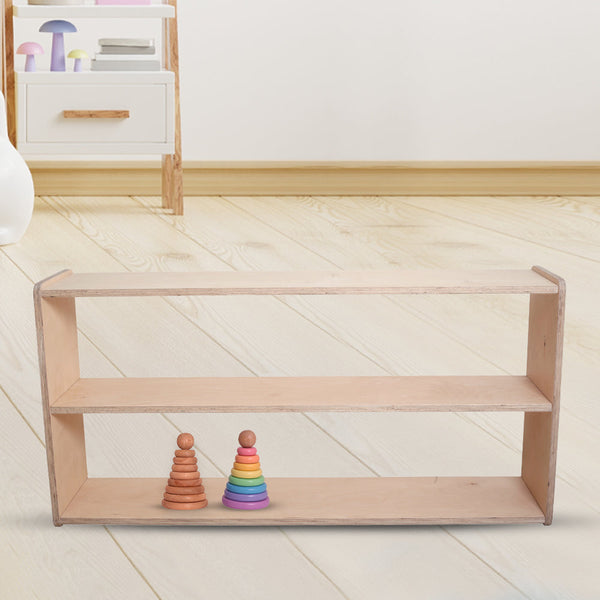
Creating an accessible and organised art space is key, even in a compact Mumbai apartment. Child development research indicates that when materials are within easy reach and clearly organised, children are more likely to engage independently. Use a low shelf or a small tray where materials are neatly presented. This respects the child's ability to choose and clean up, fostering a sense of responsibility alongside creativity.
The Deccan Chronicle recently highlighted the enduring importance of play in a screen-filled childhood. By offering an accessible art corner, you provide an alternative that engages all senses and promotes deep concentration. Just like solving a puzzle, engaging with art materials independently builds confidence and resilience.
Montessori & Imagination: Cultivating a Lifelong Love for Creation
The goal isn't to raise a famous artist, but to nurture a child who thinks creatively, solves problems imaginatively, and expresses themselves confidently. By choosing Montessori art supplies, you're investing in your child's holistic development. You're giving them the freedom to explore, make mistakes, and discover their own artistic language, much like how children in Indian families learn about traditions through hands-on participation rather than just observation.
This approach moves beyond rigid instructions, allowing children to open up emotionally, as discussed in The Times of India. They learn that their ideas are valuable, their process is important, and their imagination has no bounds. Empower your child today to paint their world with their own unique strokes.