Board Games for Kids: Choosing Play-Based Learning Fun
Choosing the best board games for kids is a pivotal decision for parents aiming to blend fun with foundational learning. These engaging activities offer a rich landscape for developing crucial cognitive, social, and emotional skills, making them indispensable tools in any Indian household committed to play-based learning. Child development experts agree that thoughtfully selected board games lay robust groundwork for future academic and life success.
In India, where play is increasingly recognized as a vital component of human capital investment, as highlighted by discussions like 'Play is infrastructure' from ET Government, equipping children with the right play materials is essential. SkilloToys.com believes that the right board game can transform ordinary playtime into extraordinary learning, without the pressure often associated with formal education.
What are Educational Board Games?
Educational board games are structured play activities designed to teach specific skills or concepts through interactive engagement. This matters because they foster critical thinking, problem-solving, and social interaction in a joyful, non-intimidating environment. Indian parents can leverage these games to cultivate a love for learning, from early numeracy to complex strategic planning, right in their living rooms.
Why Board Games are Essential for Child Development in India
Research consistently shows that engaging with educational board games significantly boosts a child's development. These games are not merely about entertainment; they are dynamic platforms for learning practical skills that are vital for navigating the world. From improving memory and concentration to enhancing language acquisition and strategic thinking, the benefits are extensive and profound.
In a society that often prioritizes academic achievement, board games offer a refreshing alternative, promoting learning through intrinsic motivation rather than rote memorization. They teach children to follow rules, take turns, and manage emotions, whether they win or lose, fostering resilience and sportsmanship. These invaluable life lessons are particularly pertinent in India, where communal harmony and social skills are highly valued, often practiced in the warm embrace of joint families.
Choosing the Best Board Games for Kids: Age-Appropriate Fun
Selecting age-appropriate games is paramount to ensuring engagement and learning. A game too simple will bore a child, while one too complex can lead to frustration. SkilloToys.com emphasizes matching games to a child's current developmental stage, ensuring they are challenged but not overwhelmed.
Toddlers (18 months - 3 years): Simple Explorations
For the youngest learners, focus on board games that emphasize sensory exploration, basic matching, and cause-and-effect. Maria Montessori's principles highlight this period as crucial for developing fine motor skills and practical life skills. Look for games with large, sturdy pieces, bright colours, and simple rules that can be played cooperatively with a parent or grandparent.
Examples include simple shape sorters, colour matching games, or basic stackers. These types of games help toddlers understand concepts like 'same and different' and 'in and out', laying foundations for future learning without any academic pressure. They are perfect for early introductions to focused playtime.
Preschoolers (3-6 years): Developing Core Skills
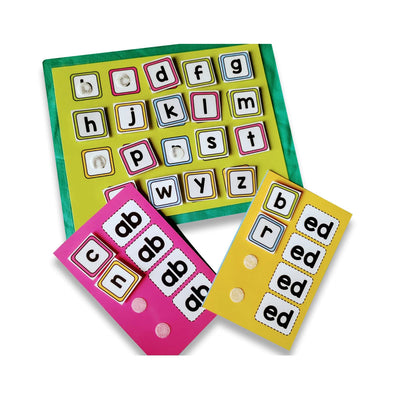
As children grow, they become ready for more structured games that introduce early literacy and numeracy. At this stage, educational board games can help with number recognition, counting, letter sounds, and even simple word formation. Games that involve memory, sequencing, and storytelling are excellent choices.
Consider games that require children to count spaces, identify pictures, or follow a simple narrative. Many puzzles and memory games fall into this category, enhancing problem-solving and cognitive flexibility. These foster concentration and patience, crucial skills before formal schooling begins.
Early School Years (6-9 years): Strategic Thinking
For children entering primary school, board games become tools for developing more complex strategic thinking and social interaction. Games with slightly more intricate rules, requiring planning, decision-making, and understanding consequences, are ideal. This age group benefits immensely from games that encourage critical thinking and adapting to changing game conditions.
Multiplayer games are particularly beneficial, teaching children about sportsmanship, negotiation, and collaborative problem-solving. This is an excellent time to introduce games that involve resource management or tactical moves, preparing them for real-world scenarios in a playful environment. The joy of a shared game experience during school breaks is invaluable.
Pre-Teens (9+ years): Deeper Engagement & Collaboration
Older children can tackle board games with advanced strategies, complex narratives, and longer playtimes. These games often involve deeper critical thinking, logical deduction, and enhanced social dynamics. Cooperative games, where players work together towards a common goal, are particularly effective for fostering teamwork and communication skills.
Such games can become cherished family traditions, played during festive gatherings or weekend afternoons, offering a healthy alternative to screen time. They provide a space for lively discussions and shared experiences, reinforcing family bonds that are so important in Indian culture.
Montessori Board Games: Learning Through Purposeful Play
The philosophy of Maria Montessori centers on self-directed activity, hands-on learning, and collaborative play, principles that align beautifully with well-chosen board games. Montessori board games are typically characterized by their clear purpose, self-correcting mechanisms, and ability to isolate a single concept for learning. They are designed to allow children to learn at their own pace, fostering independence and a deep understanding of concepts.
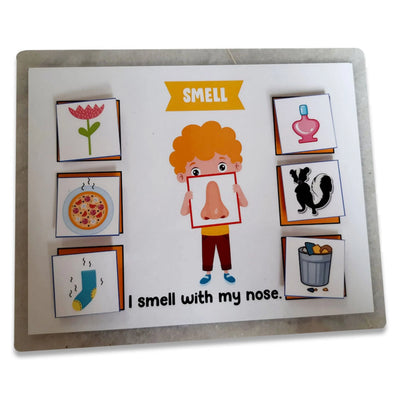
For instance, games that involve matching textures, sorting by size or colour, or sequencing numbers reflect Montessori's emphasis on concrete learning experiences. These activities are not about winning or losing but about the process of discovery and mastery. Many of our activityKits offer similar purposeful engagement, bridging the gap between guided learning and independent exploration.
How to Choose Board Games for Learning: Key Considerations
When curating your collection of board games for learning, consider these essential factors to ensure maximum benefit and enjoyment for your child and family.
- Educational Value vs. Entertainment: Seek a balance. The best games are so engaging that children learn without realizing it. They should stimulate cognitive functions, problem-solving, or social skills.
- Durability and Safety: Especially for younger children, ensure game components are robust, non-toxic, and free from small choking hazards. Toys should withstand enthusiastic play for years, becoming heirlooms passed down through the family.
- Replayability: A good board game will be fun to play repeatedly. Look for games with variable setups, different strategies, or expanding difficulty levels to keep children engaged over time. This offers greater value and continued learning.
- Family Engagement: Opt for games that encourage interaction among family members, including grandparents. In Indian homes, board games are a fantastic way to bond during festivals or quiet evenings, creating lasting memories.
- Cultural Relevance: While not mandatory, games that subtly incorporate Indian themes, folk tales, or traditional art can resonate more deeply, making learning feel more personal and relatable to children.
- Educational board games significantly enhance cognitive, social, and emotional development in children.
- Age-appropriateness is crucial for selecting board games that match a child's developmental stage and interests.
- Montessori-inspired board games promote purposeful, self-directed learning and practical life skills.
- Prioritize games offering replayability and opportunities for family engagement, fostering stronger bonds.
- Research indicates that play-based learning, through games, builds foundational skills without academic pressure.
- In India, board games serve as invaluable tools for intergenerational bonding and cultural connection.
Choosing the right board games for kids is an investment in their holistic development, enriching their childhood with joy, learning, and meaningful connections. At SkilloToys.com, we believe in empowering Indian parents and educators to make informed choices that foster a love for learning through play. Embrace the power of the board game, and watch your child thrive, one playful turn at a time. Explore our full range of Montessori-aligned educational toys today.
What makes a board game educational for kids?
An educational board game for kids stimulates critical thinking, problem-solving, and social-emotional skills through engaging play. It offers clear learning objectives, such as number recognition or strategic planning, without feeling like schoolwork. The best games foster curiosity and adapt to various developmental stages.
How do board games support Montessori principles?
Board games support Montessori principles by promoting self-directed activity, concentration, and practical life skills. Games that encourage sorting, matching, counting, or sequential thinking align with Montessori's emphasis on hands-on, purposeful learning. They allow children to learn at their own pace and discover concepts independently.
What age is appropriate to start playing board games with children?
Children can start engaging with simple board games as early as 18-24 months, beginning with basic matching or sorting activities. For more structured games with rules, typically around 3-4 years is appropriate. It is essential to choose games designed for their specific developmental stage to ensure enjoyment and learning.
How can board games help with a child's social skills?
Board games are excellent for developing a child's social skills by teaching turn-taking, patience, and communication. Children learn to share, negotiate, and cope with winning and losing gracefully. These interactions are invaluable for building empathy and fostering healthy social relationships within family settings.
Are there specific board games beneficial for large Indian joint families?
For large Indian joint families, cooperative board games or those accommodating multiple players are highly beneficial as they encourage teamwork and shared experiences. Games with simple, intuitive rules allow grandparents, parents, and children to participate together, strengthening family bonds during festivals and everyday gatherings. Classic Indian games also offer cultural connection.