board games for kids: Skill Building Through Play
board games for kids are scientifically proven tools that fundamentally shape a child's cognitive, social, and emotional development. Research shows that engaging in structured play with board games provides a rich environment for developing critical thinking, problem-solving abilities, and even fostering empathy within the supportive context of Indian families. This play-based approach prepares children not just for school, but for life's many challenges.
What is Play-Based Learning?
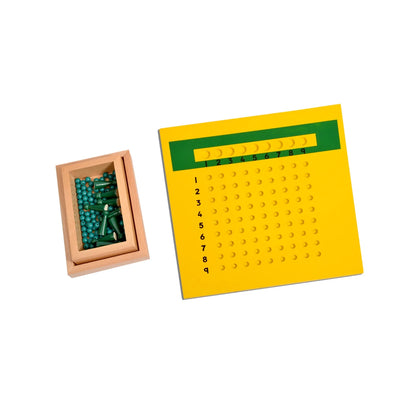
Play-based learning is an educational approach where children learn through voluntary, enjoyable, and self-directed activities. This matters because it respects a child's natural curiosity, fostering intrinsic motivation rather than rote memorization, which is crucial for holistic development. Indian parents can integrate this by providing open-ended materials, like those inspired by Maria Montessori's principles, allowing children to discover concepts at their own pace, much like exploring the Montessori Method learning materials.
Cognitive Growth: Sharpening Young Minds with board games for kids
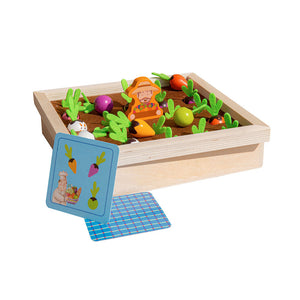
Engaging with board games for kids actively strengthens cognitive functions crucial for academic success and everyday problem-solving. Studies indicate that children who regularly play board games demonstrate enhanced memory retention, improved attention spans, and superior logical reasoning abilities compared to their non-playing peers. For instance, games involving strategic planning or matching often require children to hold information in their minds, process it, and make decisions, thereby building neural pathways vital for complex thought.
This structured mental workout helps young minds, even those around 3-5 years, navigate challenges from a young age. Whether it's completing a puzzle or strategizing moves in a game, children are constantly engaging their prefrontal cortex, the brain's command center for executive functions. Child development experts agree that these early experiences lay a strong foundation, mitigating the pressure often associated with India's competitive academic environment by making learning feel like an adventure.
Social-Emotional Intelligence: Building Bridges Through Play-Based Learning
Beyond mental gymnastics, play-based learning board games are powerful conduits for social and emotional development. In Indian homes, where joint families often gather for festivals like Diwali or Pongal, board games provide a natural setting for children to learn vital social cues, practice turn-taking, and understand the nuances of winning and losing gracefully. This interactive environment fosters essential skills like communication, negotiation, and empathy, as children learn to understand different perspectives.
Research shows that children who participate in cooperative board games develop stronger social bonds and better conflict resolution skills. This aligns with the inclusive, play-based learning initiatives being championed across India by organizations like EuroKids and Kara4Kids, who emphasize the importance of holistic development. Learning to manage emotions – the joy of winning, the disappointment of losing – within a playful context prepares children for real-world interactions and builds emotional resilience.
Strategic Thinking: The Science Behind Every Move in Educational Board Games
The true genius of educational board games for kids lies in their ability to cultivate strategic thinking from a young age. These games compel children to anticipate outcomes, plan several steps ahead, and adapt their strategies based on opponents' moves, a skill essential for complex decision-making. Just as professionals in fields like international finance pivot to new approaches, as seen in stories like ThinkWittsy's shift to play-based learning, board games train young minds in this dynamic foresight.
For children aged 6-10 years, board games become mini-laboratories for hypothesis testing. They learn cause-and-effect relationships and understand that choices have consequences, building crucial problem-solving faculties. Providing children with activity kits that encourage strategic planning and critical thinking complements these board game benefits, ensuring a well-rounded approach to developing a child's inherent genius, free from typical school pressure.
- board games for kids scientifically enhance cognitive functions like memory and attention.
- Play-based learning through board games fosters vital social skills such as turn-taking and empathy.
- Child development experts agree that board games are effective tools for building emotional resilience in children.
- Strategic thinking, problem-solving, and decision-making are significantly improved by regular board game engagement.
- Board games offer a joyful, anti-academic-pressure approach to holistic child development in Indian homes.
- Montessori principles resonate with play-based learning, emphasizing self-directed discovery and skill mastery.
What age is best to start board games for kids?
Children can start playing simple board games as early as 2-3 years old, with supervision. Look for games designed for toddlers that focus on matching, colors, and basic turn-taking to introduce them to the concept of structured play.
How do board games improve academic performance?
Board games improve academic performance by strengthening cognitive skills like concentration, problem-solving, and logical reasoning. These fundamental abilities are directly transferable to subjects like math and science, making learning easier and more intuitive.
Are digital board games as beneficial as physical ones?
While digital board games offer some cognitive benefits, physical board games provide unique advantages in social interaction, fine motor skill development, and tangible manipulation. The face-to-face interaction of physical games is crucial for developing empathy and communication skills.
How can board games help children with emotional regulation?
Board games teach children emotional regulation by exposing them to wins, losses, and unexpected turns in a safe environment. They learn to manage frustration, celebrate successes gracefully, and persevere through challenges, building resilience over time.
What are some types of educational board games for kids?
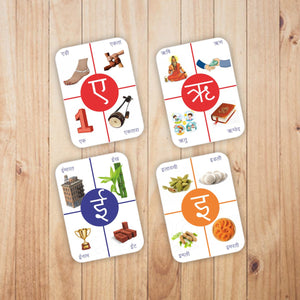
Educational board games for kids include memory games, strategy games, cooperative games, and those focused on specific subjects like math or language. Examples might involve counting, letter recognition, or complex problem-solving scenarios tailored to different age groups.