Game-Based Learning Apps India: Digital Play Guide for Kids
Game-based learning apps India are powerful tools for child development when integrated thoughtfully alongside physical play, enriching the learning journey for children across diverse age groups. Parents and educators can maximize their benefits by selecting age-appropriate content that complements Montessori principles, ensuring a balanced and engaging educational experience at home and in school.
In today's rapidly evolving educational landscape, digital platforms are gaining significant traction, a trend underscored by recent reports like 'Game-based learning gains ground across classrooms, platforms.' While we've previously explored game-based learning in physical classrooms and through hands-on toys, the potential of digital tools in an Indian context remains a vital area for guidance. This post serves as your comprehensive guide to thoughtfully incorporating digital play into your child's learning journey, complementing the rich traditions of physical play.
The emphasis on Early Childhood Education (Unicef) and initiatives like Maharashtra's First Play-Based Learning Roundtable in Ahilyanagar (NDTV) highlight a growing national recognition for joyful, foundational learning. India Today further asserts that play-based learning deserves equal footing with nutrition in child development. This shift encourages us to view digital engagement not as a distraction, but as a strategic asset in fostering curiosity and skill development without academic pressure.
What is Digital Play-Based Learning?
Digital play-based learning integrates interactive online platforms and educational apps to facilitate learning through exploration, problem-solving, and creative engagement. This matters because it leverages children's natural curiosity and affinity for technology to develop critical skills in a fun, pressure-free environment. Indian parents can use these tools to introduce new concepts or reinforce existing knowledge in an engaging digital format.
Bridging Digital & Montessori Principles for Indian Homes
Maria Montessori's philosophy champions self-directed learning, independence, and a carefully prepared environment. While traditionally hands-on, the core principles of focused engagement, sequential learning, and self-correction can extend into the digital realm. Montessori apps for children, when chosen wisely, emulate these aspects by offering clear learning objectives, minimal distractions, and opportunities for children to discover answers independently.
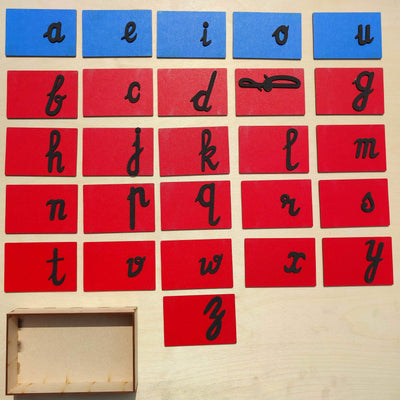
For instance, an app might allow a child to virtually sort objects by size, mirroring the physical Sensorial materials like the Pink Tower, or practice letter formation akin to sandpaper letters. This approach provides a supplementary learning channel, especially valuable in joint family settings where diverse learning spaces might be needed. Research indicates that digital tools supporting self-paced learning can enhance cognitive flexibility in young learners.
Selecting the Best Educational Apps for Kids in India
Choosing the right digital resources is paramount. When looking for educational apps for kids India offers, consider those developed by child psychologists and educators that prioritize learning outcomes over mere entertainment. Look for apps that integrate Indian cultural elements, such as stories about festivals like Diwali or regional languages, making the content relatable and enriching for your child.
For children aged 18-24 months, apps might focus on basic cause-and-effect or animal sounds. For 3-6 year olds, foundational literacy and numeracy skills, like those found in puzzles, are excellent. Older children (6-9 years) benefit from apps that challenge them with coding basics, complex problem-solving, or virtual science experiments. Studies show that age-appropriate, interactive content significantly improves engagement and retention.
Maximizing Screen Time Learning Benefits Responsibly
The conversation around screen time often evokes parental concern, but child development experts agree that quality and context are far more important than mere duration. Screen time learning benefits are maximized when parents are actively involved, playing alongside their children, discussing the app's content, and connecting digital learning to real-world experiences. For example, after an app teaches about fruits, offer a physical activityKit for a fruit salad making session.
Setting clear boundaries for digital engagement is crucial. Establish specific times or durations, perhaps making it a special activity with grandparents, or a quiet wind-down before an evening family story. This structured approach helps prevent overuse and ensures a healthy balance with outdoor play and social interactions, fostering holistic development.
Integrating Online Educational Platforms for Kids
Beyond individual apps, online educational platforms for kids offer broader, structured learning environments. These platforms can provide access to virtual libraries, interactive lessons, or even collaborative projects, supplementing traditional schooling. They are particularly beneficial for exploring subjects like coding, astronomy, or foreign languages, which might not always be comprehensively covered in local school curricula.
Consider platforms that offer adaptive learning paths, adjusting to your child's pace and style, much like a Montessori educator observes a child's readiness for new materials. These platforms can be a valuable resource for children preparing for competitive exams or simply for those with a deep interest in a specific subject, providing a rich, supplementary learning experience at home.
Balancing Digital Exploration with Real-World Play
While digital tools offer immense potential, they are complements, not replacements, for physical play and real-world interactions. The tactile sensation of building with blocks, the social dynamics of playing gully cricket, or the imaginative world created with dolls are irreplaceable for sensory, motor, and social development. Ensure a daily balance where screen time is one facet of a diverse play routine.
Encourage traditional Indian games, storytelling sessions with grandparents, and plenty of outdoor exploration. Digital play-based learning should inspire further physical investigation, not deter it. For instance, a child playing a virtual farm game might then be eager to visit a real farm or plant seeds in the garden, bridging the digital and physical worlds seamlessly.
Effectively integrating game-based learning apps and digital platforms into your child's routine involves thoughtful selection, active parental participation, and a commitment to balancing digital experiences with rich physical play. This approach not only prepares children for a technology-driven future but also preserves the joy and essence of play-based learning, fostering well-rounded, curious, and confident individuals within the unique cultural tapestry of India.
- Digital tools, especially game-based learning apps, are effective complements to traditional play-based learning in India.
- Thoughtful selection of educational apps, aligning with Montessori principles, is crucial for meaningful engagement and developmental benefits.
- The quality of screen time, involving active parental participation and discussion, significantly enhances learning outcomes for children.
- Integrating online educational platforms can expose Indian children to diverse learning experiences, skill development, and supplementary curriculum support.
- A balanced approach, combining purposeful digital engagement with ample physical play, is vital for holistic child development in an Indian context.
- Research consistently supports the cognitive and skill-building benefits of well-designed educational technology when used responsibly and in moderation.
What are game-based learning apps for kids in India?
Game-based learning apps are digital applications designed to teach educational concepts through interactive games, encouraging exploration and problem-solving. In India, these apps often incorporate culturally relevant themes and offer content aligned with local curriculum needs, making learning relatable and engaging for children.
How can I ensure educational apps align with Montessori principles?
To align with Montessori principles, choose educational apps that promote self-correction, independent exploration, and focus on one concept at a time without excessive distractions or rewards. Look for apps that encourage problem-solving and provide a sense of accomplishment through mastery, rather than just entertainment.
What is a healthy amount of screen time for digital play-based learning?
Child development experts suggest that the quality of screen time is more important than the quantity, especially for educational content. For young children, short, supervised sessions (e.g., 15-30 minutes) focused on interactive learning are ideal, always balanced with ample physical play and social interaction.
Can educational apps replace physical toys for play-based learning?
No, educational apps cannot replace physical toys and hands-on experiences, as these are crucial for developing fine motor skills, sensory processing, and spatial reasoning. Digital tools are best used as complements to physical play, reinforcing concepts learned through materials like puzzles and activityKits and offering different modes of engagement.
How do I choose the best educational apps for my child's age group in India?
Choosing the best educational apps involves considering age-appropriateness, content relevance to Indian culture and curriculum, and alignment with learning objectives. Prioritize apps that are ad-free, offer clear learning goals, provide constructive feedback, and are recommended by educators or trusted parenting resources.