Game-Based Learning at Home: Fun for Indian Families
Implementing game-based learning at home for Indian children involves intentionally integrating playful, structured activities that reinforce academic concepts and life skills within daily routines. This approach, strongly supported by child development experts, transforms conventional study into engaging experiences, making learning enjoyable and highly effective, especially when aligned with Montessori principles.
As 'Game-based learning gains ground across classrooms, platforms' globally, as highlighted by Google News, Indian parents have a unique opportunity to bring this transformative method into their own homes. This shift moves beyond rote memorization, fostering deep understanding and a lifelong love for learning, a critical step for India’s future as emphasized by The Hindu and India Development Review.
What is Game-Based Learning?
Game-based learning is an educational methodology integrating game principles and elements to achieve specific learning outcomes. This matters because it significantly enhances engagement, problem-solving, and critical thinking in a joyful, low-pressure environment. Indian parents can effectively leverage this by choosing age-appropriate educational games that complement their child's curriculum.
This method differs fundamentally from merely playing games; it thoughtfully designs learning experiences with challenges, rules, rewards, and player progression to meet educational objectives. It's about learning through active participation and intrinsic motivation, rather than passive reception of information.
The Undeniable Benefits of Game-Based Learning at Home
Research consistently shows that active learning approaches, like game-based learning, significantly improve information retention compared to passive methods. Studies indicate that children engaging in hands-on, interactive learning can retain up to 75% of information, a stark contrast to the mere 5-10% from traditional lectures.
For Indian families, integrating game-based learning at home offers profound benefits. It cultivates critical thinking, problem-solving abilities, and creativity, essential skills for navigating a rapidly changing world. Furthermore, it fosters social-emotional development, teaching children perseverance, collaboration, and how to manage success and failure gracefully.
This method also dramatically reduces academic pressure, allowing children to explore and learn at their own pace in a supportive home environment. Parents and even grandparents can become active participants, strengthening family bonds while collectively exploring new concepts and challenges.
Montessori Principles & Game-Based Learning: A Natural Fit
The philosophy of Maria Montessori, with its emphasis on self-directed activity, hands-on learning, and collaborative play, aligns perfectly with the tenets of game-based learning. Montessori education encourages children to learn through discovery and interaction with purposefully designed materials, much like engaging with a well-structured educational game.
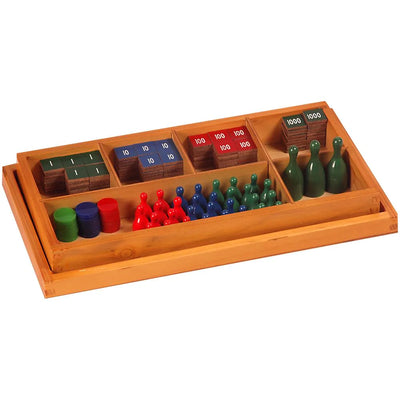
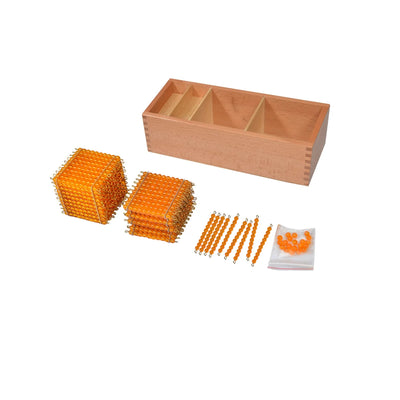
SkilloToys.com embraces this synergy, offering Montessori educational materials that function as ideal game-based learning tools. For instance, tasks involving the Pink Tower or Sandpaper Letters are inherently game-like: they present a clear challenge, require active engagement, offer immediate feedback, and lead to a sense of accomplishment.
This approach moves beyond mere memorisation, encouraging children to deeply understand concepts by manipulating objects and solving problems. It respects the child's natural curiosity and inherent drive to learn, making education a joyful exploration rather than a chore imposed from above.
Practical Game-Based Learning Activities for Kids at Home
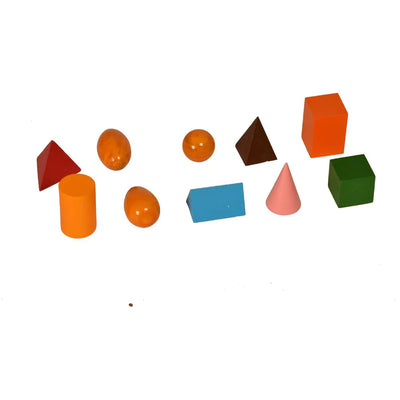
Implementing game-based learning activities for kids at home doesn't require elaborate setups; it can be integrated into everyday life. For toddlers (18-36 months), simple sorting games with household items or matching shapes and colours using blocks foster early cognitive skills. For preschoolers, treasure hunts involving letters or numbers can make literacy and numeracy exciting.
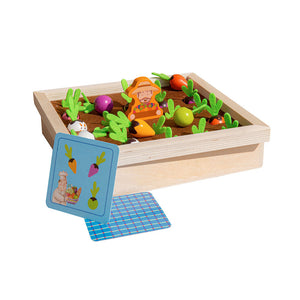
For older children (5-10 years), board games like chess or carrom teach strategy and critical thinking, while creative storytelling games build language skills. Science experiments conducted as 'challenges' can make complex concepts tangible and fun. Consider incorporating activityKits from SkilloToys that offer structured, hands-on learning experiences, making science, art, or math feel like engaging games.
Educational Games for Home: Everyday Opportunities
Everyday activities can easily be transformed into educational games for home. Cooking together becomes a math lesson when measuring ingredients, and a science lesson when observing changes during baking. Grocery shopping can involve a game of budgeting or identifying different food groups.
For literacy, creating a 'word wall' with sight words and playing charades with those words turns reading practice into an interactive game. Geography can come alive with puzzle maps or by planning a 'pretend trip' across India, researching states and landmarks. Our range of puzzles, from simple to complex, are excellent for developing spatial reasoning and problem-solving through play.
Choosing Montessori Game-Based Learning Toys
When selecting Montessori game-based learning toys, parents should prioritise materials that are purposeful, self-correcting, and encourage independent exploration. These toys are designed to isolate a single concept, allowing the child to master it through repeated, self-guided play.
Experts agree that high-quality, open-ended toys provide richer learning experiences than toys with a single function. A study by UNICEF highlights that play is paramount for cognitive, social, and emotional development, significantly boosting a child's ability to learn and adapt.
Look for materials that are made from natural materials, aesthetically pleasing, and durable, inviting children to engage. At SkilloToys, our curated collection ensures that each toy supports a child's developmental journey through purposeful, joyful interaction, aligning perfectly with the principles of game-based learning.
Overcoming Challenges: Making Learning Joyful, Not Stressful
In the Indian context, academic pressure can be significant, often leading to a fear of failure. Game-based learning at home provides a crucial antidote. By focusing on the process of learning and exploration rather than just the outcome, parents can create a stress-free environment where mistakes are seen as learning opportunities.
Encourage joint family participation, inviting grandparents to share traditional games or stories that have inherent learning elements. Their wisdom and presence can add a unique dimension to game-based learning, bridging generations and cultural knowledge. Remember, the goal is to foster a love for learning, not to add another item to a child's already packed schedule.
Celebrate effort and persistence, not just winning. This shifts the focus from competitive achievement to intrinsic motivation, ensuring that learning remains a source of joy and curiosity throughout childhood and beyond.
Key Takeaways
- Game-based learning at home significantly boosts engagement and retention in children.
- Montessori principles naturally align with game-based learning, promoting self-directed discovery.
- Integrating playful activities into daily routines transforms learning into an enjoyable experience.
- Research indicates active learning methods improve information retention by up to 75%.
- Choosing purposeful, open-ended educational toys enhances cognitive and social-emotional development.
- Game-based learning helps reduce academic pressure, fostering a joyful, lifelong love for learning in children.
What age is best for game-based learning at home?
Game-based learning is beneficial across all age groups, from toddlers to teenagers. The key is selecting age-appropriate games and activities that align with a child's developmental stage and learning objectives, ensuring engagement and effectiveness.
How does game-based learning differ from traditional play?
While both involve play, game-based learning is structured with specific educational goals and learning outcomes, integrating game mechanics to achieve them. Traditional play is often open-ended and child-led, though it inherently offers learning opportunities too.
Can game-based learning help with school curriculum in India?
Absolutely. Game-based learning can significantly reinforce school curriculum by making abstract concepts tangible and engaging. It helps children practice problem-solving, critical thinking, and retention in a stress-free environment, directly complementing academic studies.
Are digital games effective for learning at home?
Digital games can be effective for learning at home when chosen thoughtfully for their educational value and used in moderation. It is crucial to balance screen time with hands-on, physical games to ensure holistic development.
How can I introduce game-based learning without adding pressure?
Introduce game-based learning naturally by integrating it into existing family routines and focusing on the joy of discovery rather than performance. Let your child lead the play, celebrate effort, and choose games that genuinely excite their curiosity without explicit 'study' connotations.