Game-based Learning Trends India: Child Benefits & Future
Game-based learning trends India are rapidly gaining momentum because this innovative approach significantly boosts engagement and skill development, moving beyond traditional rote memorization. This shift is vital for fostering critical thinking and problem-solving in children, preparing them for a dynamic future. Indian parents are increasingly recognizing its power to make learning joyful and effective.
Game-based learning integrates games into education to achieve specific learning outcomes effectively. This matters for Indian children by cultivating vital 21st-century skills like problem-solving and collaboration, shifting from rote learning. Indian parents can easily embrace this by choosing engaging, age-appropriate educational games.
Recent news, like The New Indian Express highlighting how game-based learning is gaining ground across classrooms and platforms, underscores its growing acceptance. This aligns perfectly with the rising emphasis on play-based learning, as seen with Maharashtra's First Play-Based Learning Roundtable and India Today's call for play to have equal footing with nutrition in child development. Even collaborations like KidZania India and Magic Bus Foundation demonstrate how play fosters crucial qualities like empathy and creativity, proving that learning truly thrives when it's engaging and fun.
Why Game-Based Learning Resonates in India: Beyond Rote Learning
The traditional Indian education system, often focused on exams and rote memorization, has historically placed immense pressure on children. Game-based learning offers a refreshing alternative, allowing children to learn through exploration and discovery rather than strict instruction. This approach nurtures an inherent curiosity, making learning a personal adventure rather than a chore.
Research consistently shows that active participation significantly increases knowledge retention compared to passive learning methods. When children are actively engaged in solving puzzles or navigating game challenges, their brains form stronger neural connections, leading to deeper understanding and long-term memory. This contrasts sharply with the fleeting memory often associated with cramming for exams.
Child development experts agree that a joyful learning environment is paramount for holistic growth. Game-based learning provides this by offering immediate feedback, a sense of achievement, and the freedom to experiment without fear of failure. This fosters resilience and a positive attitude towards challenges, essential traits for navigating life beyond academics.
Concrete Benefits of Game-Based Learning for Indian Children
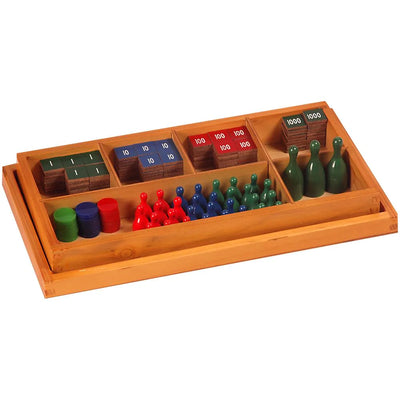
The advantages of integrating game-based learning into a child's development are profound and multifaceted. Firstly, it significantly enhances cognitive skills. Games, particularly well-designed educational ones, demand critical thinking, problem-solving, and strategic planning, all crucial for academic and real-world success. Montessori puzzles, for instance, naturally encourage logical reasoning and sequential thought processes from an early age, such as 3-6 years.
Beyond academics, game-based learning cultivates vital social-emotional skills. Many games require collaboration, communication, and negotiation, teaching children empathy and teamwork – qualities highlighted by initiatives like the KidZania India and Magic Bus Foundation partnership. This is particularly beneficial in the Indian context, where joint family values emphasize community and shared experiences, helping children interact meaningfully with siblings, cousins, and even grandparents during playtime.
Furthermore, educational games improve fine motor skills and hand-eye coordination. Activities involving manipulating objects, fitting pieces, or navigating digital interfaces strengthen dexterity, which is foundational for tasks like writing and drawing. Studies indicate that children engaged in structured play activities show improved motor skill development compared to those with less access to such experiences, leading to better school readiness.
Shaping the Future of Education in India Through Play
The future of education in India is unequivocally leaning towards more experiential and skill-focused learning, aligning with the principles of the National Education Policy (NEP) 2020. Game-based learning stands at the forefront of this transformation, preparing children not just for exams but for the complex demands of the 21st century. It fosters creativity, adaptability, and digital literacy – skills indispensable in an evolving global landscape.
Integrating innovative learning methods India into both classrooms and homes is crucial. The recent Play-Based Learning Roundtable in Maharashtra's Ahilyanagar exemplifies this growing recognition at a policy level. For parents, this means embracing educational activity kits and digital games that supplement school lessons, transforming study time into an engaging discovery session. Grandparents, too, can play a vital role, sharing traditional games that build social bonds and cognitive skills, bridging generational gaps through play.
This shift empowers children to become active participants in their learning journey, moving away from passive reception of information. It ensures they develop a lifelong love for learning, equipped with the resilience and curiosity to explore new ideas and overcome challenges, making them truly future-ready in an increasingly competitive world.
Choosing the Right Educational Games for Your Child
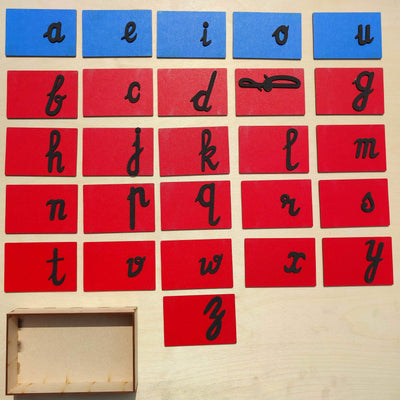
Selecting appropriate educational games for children is key to maximizing their benefits. Maria Montessori’s philosophy, which champions purposeful, hands-on learning, provides an excellent framework. Look for materials that are self-correcting, allowing children to learn from their mistakes independently, much like a Montessori learning material like the Pink Tower or Sandpaper Letters.
Consider games that promote open-ended play, encouraging imagination and diverse solutions rather than a single correct answer. For a child aged 18-24 months, sensory games are ideal, while children aged 4-7 benefit from structured games that build foundational math and literacy skills. Balance is important too; while digital games offer unique benefits, physical games ensure development of gross and fine motor skills and reduce screen time.
When choosing, think about how the game supports holistic development – does it encourage social interaction, critical thinking, creativity, or motor skills? SkilloToys offers a curated selection of toys and kits designed with these principles in mind, ensuring that every play experience is also a powerful learning opportunity, perfectly suited for Indian homes and schools.
- Game-based learning in India is rapidly gaining ground due to its superior engagement and skill development capabilities compared to traditional methods.
- It significantly reduces academic pressure by promoting joyful learning and critical thinking over rote memorization.
- The approach enhances cognitive abilities, including problem-solving and strategic planning, preparing children for future challenges.
- Game-based learning cultivates essential social-emotional skills like empathy, teamwork, and communication, vital for holistic development.
- Integrating educational games at home and in schools, often supported by initiatives like the NEP 2020, is shaping the future of Indian education.
- Parents should select age-appropriate, purposeful games that encourage open-ended play and align with Montessori principles for optimal benefits.
What makes game-based learning effective for children?
Game-based learning is highly effective because it leverages children's natural inclination to play, fostering deep engagement and intrinsic motivation. It allows for repeated practice in a low-stress environment, promoting better retention and understanding of complex concepts.
How does game-based learning reduce academic pressure in Indian children?
Game-based learning naturally reduces academic pressure by transforming traditionally stressful subjects into enjoyable experiences. It shifts the focus from memorization and grades to problem-solving and discovery, encouraging a love for learning rather than fear of failure.
What age is most suitable for introducing game-based learning?
Game-based learning is suitable for children across all age groups, from toddlers exploring sensory games to teenagers engaging with complex strategy simulations. The key is to select age-appropriate games that align with their developmental stage and learning objectives, as emphasized by Montessori principles.
Can game-based learning integrate with traditional schooling methods?
Yes, game-based learning can seamlessly integrate with traditional schooling by supplementing classroom instruction and reinforcing concepts. It provides an interactive and engaging alternative for homework, revision, or introducing new topics, creating a more holistic educational experience for children.
How can parents integrate game-based learning into their child's daily routine at home?
Parents can integrate game-based learning at home by dedicating specific playtime for educational games, both digital and physical, that align with school curricula or personal interests. Involving grandparents and other family members can also enhance the experience, making learning a shared, joyful activity within the Indian joint family structure.