How Play Improves Learning in Classrooms: Deeper Engagement
Research definitively shows how play improves learning in classrooms across India, moving beyond memorization to foster deeper engagement and understanding. This approach is vital for developing critical thinking and problem-solving skills in young learners, ensuring they grasp concepts fully rather than merely recall facts.
As the India Development Review highlighted, the discussion around play improving learning in India's classrooms is crucial. This method offers a powerful alternative to traditional rote learning, cultivating a genuine curiosity and a lifelong love for knowledge in our children.
Play-based learning is an educational approach where children learn through engaging in self-directed or guided play activities. This matters because it actively builds curiosity, problem-solving skills, and a love for learning, which are crucial for India's future generations. Indian parents can advocate for these methods in schools and integrate purposeful play at home.
How Play Improves Learning in Classrooms: Beyond Rote Methods
For generations, Indian education has often emphasized rote memorization, especially for competitive exams. However, this method frequently leads to superficial learning, where children can recite answers without truly comprehending the underlying principles. The shift towards play-based learning fundamentally changes this dynamic.
Studies in early childhood education have consistently shown that children in play-based environments demonstrate higher retention rates and better conceptual understanding than those in traditional, rote-learning settings. They don't just know 'what' but also 'why' and 'how,' preparing them for real-world challenges.
Deeper Understanding Through Play: Engaging Young Minds
True understanding blossoms when children are actively involved in their learning process. Play provides the perfect scaffold for this, turning abstract concepts into tangible, explorable experiences. When children manipulate objects, solve puzzles, or engage in imaginative scenarios, they are building neural connections that cement understanding.
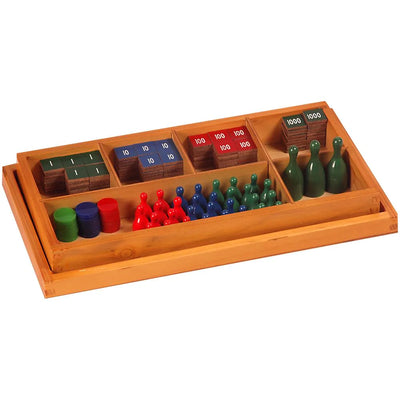
Child development experts agree that such hands-on engagement stimulates multiple senses, making learning multi-dimensional and memorable. For instance, a child playing with a Montessori pink tower doesn't just learn about size; they physically experience the gradation, developing spatial awareness and problem-solving skills organically.
Play-Based Learning Benefits India's Education System
Embracing play-based learning offers profound benefits for India's diverse student population. It addresses varying learning styles, promotes inclusivity, and reduces the immense academic pressure many children face, especially during their formative years. This approach aligns with modern pedagogical research, as highlighted by discussions like 'The Brain Before Books - Rethinking India's First Six Years' from BW Education.
Moreover, it nurtures essential 21st-century skills such as critical thinking, creativity, communication, and collaboration. These are not merely academic skills but life skills, preparing children to thrive in a rapidly changing world, beyond the confines of a syllabus.
Integrating Montessori Principles in Indian Classrooms
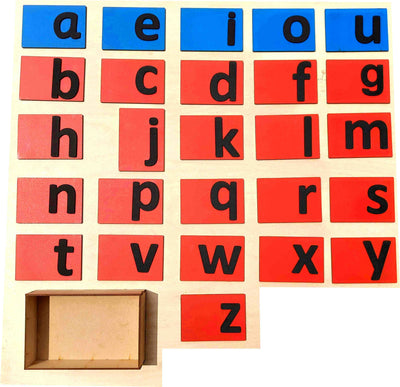
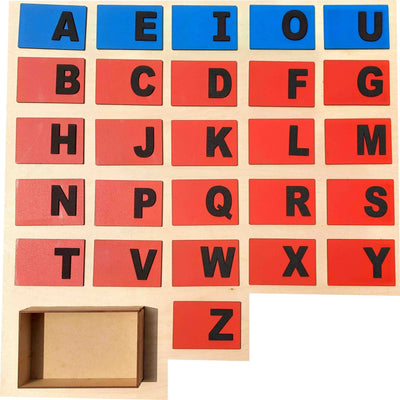
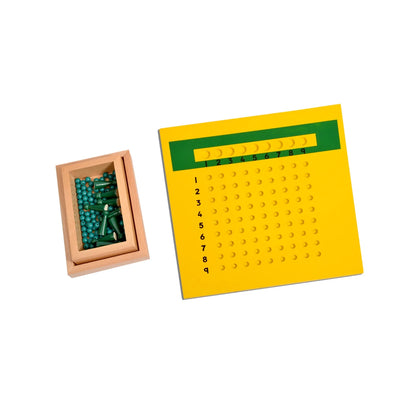
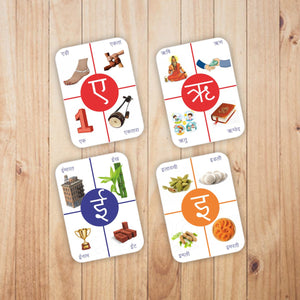
The Montessori method, a pioneer in play-based learning, offers a rich framework for deeper engagement. Its principles of a 'prepared environment,' self-directed activity, and hands-on educational toys for classrooms are highly adaptable. Imagine a classroom where children explore mathematical concepts with number rods or learn phonetics using sandpaper letters, rather than passively listening to a lecture.
This approach empowers children to choose their learning materials, fostering intrinsic motivation and concentration. It acknowledges that every child, whether from a bustling city or a serene village, learns at their own pace and in their own way, making education truly personalized and effective.
Empowering Educators: Shifting from Instruction to Facilitation
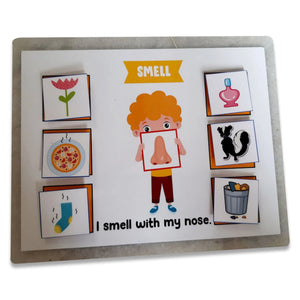
Implementing play-based learning requires a paradigm shift for educators, transforming them from instructors to facilitators. Instead of delivering information, teachers guide children's explorations, ask thought-provoking questions, and provide resources like engaging activity kits. This role demands observation, patience, and a deep understanding of child development.
When teachers embrace this role, they witness a remarkable transformation in their students: increased engagement, deeper inquiry, and a joyous pursuit of knowledge. This shift benefits not just the students but also enriches the teaching experience, creating a vibrant, dynamic classroom atmosphere that resonates with articles like 'Play-based learning for India’s future' from The Hindu.
The SkilloToys Difference: Supporting Play at Home and School
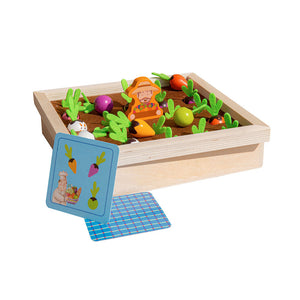
At SkilloToys, we believe that the principles of play-based learning extend beyond the classroom into every Indian home. Our curated collection of Montessori and educational toys is designed to support this deeper engagement and understanding, whether it's a child exploring shapes with geometric solids or collaborating with grandparents on a new puzzle.
We empower parents and educators with resources that encourage independent thought, creativity, and problem-solving. By providing high-quality, purposeful play materials, we help children build a strong foundation for learning, ensuring that curiosity thrives and academic pressure is replaced with genuine delight in discovery.
- Play-based learning fosters deeper understanding and engagement beyond rote memorization.
- It develops critical 21st-century skills like critical thinking, creativity, and collaboration.
- Montessori principles are highly effective for integrating play-based learning into Indian classrooms.
- Children in play-based environments show higher retention rates and better conceptual grasp.
- Educators transition from instructors to facilitators, guiding children's active discovery.
- Purposeful play at home and school supports holistic child development in India.
How does play-based learning differ from traditional rote learning?
Play-based learning involves active exploration and discovery, where children construct knowledge through hands-on experiences and problem-solving. Rote learning, in contrast, focuses on memorization of facts without necessarily understanding the underlying concepts or their practical application.
What are the main benefits of play-based learning for Indian students?
For Indian students, play-based learning fosters critical thinking, creativity, communication, and collaboration – essential 21st-century skills. It reduces exam-related anxiety and makes learning joyful, leading to better academic outcomes and a lifelong love for knowledge.
Can Montessori principles be applied in regular Indian classrooms?
Yes, Montessori principles like self-directed learning, prepared environments, and hands-on materials can be adapted and integrated into mainstream Indian classrooms. They support individualized learning paces and encourage children to become independent, motivated learners.
How can parents encourage deeper engagement through play at home?
Parents can provide open-ended materials like activityKits and puzzles, offer choices, and participate alongside their children in play. Encouraging questions, allowing for mistakes, and valuing the process over the product are key to fostering deeper engagement.
Is play-based learning suitable for all age groups in classrooms?
Play-based learning is highly effective across various age groups, from toddlers to primary school children, and even adapted for older students. The nature of play evolves, but the underlying principles of active engagement and experiential learning remain beneficial for all.