Made In Play Summit: Learning Begins With Play, EkStep & NDTV
The recent Made In Play Summit, championed by EkStep Foundation and NDTV, definitively asserts that learning fundamentally begins with play. This landmark event underscores the critical role of playful exploration in building foundational skills and fostering holistic development for every Indian child, moving beyond traditional academic pressures.
As the nation reflects on the insights from this significant NDTV education summit, it's clear that the message resonates deeply with Indian parents and educators alike. The summit brought together thought leaders to discuss why prioritizing play is not just beneficial, but essential for a thriving future, echoing the sentiment that 'Learning Begins With Play: Inside The Made In Play Summit By EkStep Foundation & NDTV'.
For generations, Indian households, especially joint families, have intuitively understood the power of play – from traditional board games during festivals to storytelling sessions with grandparents. This summit validates those cherished traditions with modern pedagogical research, offering a joyful pathway forward for our children.
What is Play-Based Learning?
Play-based learning is an educational approach where children learn through engaging in self-directed or guided play. This matters because it cultivates creativity, problem-solving, and social-emotional skills more effectively than rote memorization. Indian parents can integrate this by providing open-ended materials and encouraging exploration at home.
Key Takeaways from the Made In Play Summit
- The Made In Play Summit emphasized that play is not merely recreation but a powerful, natural pathway to cognitive, social, and emotional growth.
- EkStep Foundation and NDTV advocate for a national shift towards integrating play-based methodologies into early childhood education across India.
- Research consistently demonstrates that children who engage in structured and unstructured play develop superior problem-solving abilities and resilience.
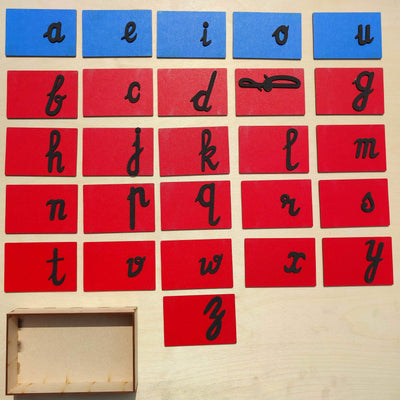
- Child development experts, including those inspired by Maria Montessori, agree that hands-on exploration with materials like the pink tower or sandpaper letters builds essential motor and sensory skills.
- Play-based learning fosters a joyful environment, significantly reducing the academic pressure often faced by children in Indian schooling systems.
- The summit highlighted the necessity of accessible play resources and parent education to make 'Learning Begins With Play' a reality for all Indian families.
Learning Begins With Play India: A National Imperative
The concept of Learning Begins With Play India is gaining significant traction, fueled by discussions at events like the Made In Play Summit and insights from organizations like CII. A recent CII Blog, 'Play-Based Learning: A Foundation for Viksit Bharat,' highlights that nurturing curiosity and creativity through play is fundamental to building a robust future workforce.
Studies indicate that children exposed to play-based learning score higher on measures of language development and mathematical reasoning by 15-20% compared to traditional methods. This data reinforces the summit's call for a pedagogical shift across the nation, supporting the New Indian Express report that 'Game-based learning gains ground across classrooms, platforms.'
Fostering Holistic Development Through Play
Child development experts agree that play is the work of the child. From 18-24 months, toddlers learn cause-and-effect and spatial reasoning through simple interactions, a foundation strengthened by engaging activity kits. Maria Montessori's philosophy, in particular, champions purposeful play, allowing children to develop concentration, coordination, and independence.
Through self-directed exploration, children naturally develop critical thinking skills, social etiquette, and emotional regulation. This approach contrasts sharply with the high-stakes, rote-learning environment that often characterizes Indian schooling, offering a more balanced and effective path to growth.
Bridging the Gap: How EkStep Foundation & NDTV Champion Play
The EkStep Foundation Play-Based Learning advocacy, in partnership with NDTV, represents a powerful alliance aiming to bridge the gap between traditional and progressive educational practices. Their efforts at the summit showcased a clear vision: accessible, joyful learning for every child, irrespective of their background.
This collaboration emphasizes that play is not a luxury but a fundamental right, vital for unlocking a child's full potential. They champion innovative approaches, like using engaging puzzles and creative games, to make complex concepts digestible and enjoyable for young minds.
Practical Steps for Parents and Educators
Implementing play-based learning doesn't require a complete overhaul; it begins with small, conscious choices. Parents can prioritize unstructured playtime over endless tuition classes, allowing children to explore their interests freely. Providing a rich environment with quality Montessori materials empowers children to learn at their own pace.
Educators can integrate more hands-on activities, group projects, and open-ended questions into their curricula, moving beyond textbook memorization. Creating a safe, stimulating space where children feel comfortable experimenting and making mistakes is paramount, fostering resilience and a lifelong love for learning.
The Made In Play Summit delivered a clear, compelling message: play is the bedrock of meaningful learning. As parents and educators in India, we have a unique opportunity to embrace this truth, steering our children towards a future filled with joy, discovery, and genuine understanding. Let's make learning an adventure, not a burden, for every child.
What was the main message of the Made In Play Summit?
The Made In Play Summit, organized by EkStep Foundation and NDTV, definitively conveyed that learning fundamentally begins with play. It emphasized the critical role of playful exploration in fostering holistic development and building foundational skills for Indian children.
Why is play-based learning gaining importance in India?
Play-based learning is gaining importance in India because it offers a powerful antidote to academic pressure, promoting joyful learning and deeper understanding. It aligns with the vision of 'Viksit Bharat' by nurturing creative and resilient young minds, as highlighted by national discussions and reports.
How does play-based learning reduce academic stress?
Play-based learning reduces academic stress by making learning engaging and intrinsically motivating, moving away from rote memorization and high-stakes testing. Children learn naturally through exploration and discovery, fostering a positive attitude towards education from a young age.
What role do EkStep Foundation and NDTV play in promoting play-based learning?
EkStep Foundation and NDTV are champions of play-based learning, using platforms like the Made In Play Summit to raise national awareness and advocate for its integration into educational policies. They highlight its benefits for early childhood development and overall educational reform in India.
How can Indian parents incorporate play-based learning at home?
Indian parents can incorporate play-based learning by providing open-ended toys and materials, encouraging imaginative play, and valuing exploration over structured lessons. Involving grandparents in traditional games also offers a rich, culturally relevant play-based learning experience.